Why Osaka works so well for families
Osaka has a character unlike anywhere else in Japan. Where Tokyo is sleek and ordered and Kyoto is serene and historic, Osaka is loud, warm, chaotic and completely obsessed with food. The locals have a phrase, kuidaore, which roughly translates as “eat until you drop.” It is an accurate description of the city’s philosophy and an excellent travel goal for families.
Beyond the food culture, Osaka is home to two of the best family attractions in Japan, Universal Studios Japan, where Super Nintendo World has to be experienced to be understood, and the Kaiyukan Aquarium, one of the largest and most spectacular in the world. Add in Dotonbori’s neon-drenched canal street, Osaka Castle’s enormous grounds and the Umeda Sky Building’s rooftop observatory, and you have a city that can fill four days without repetition.
Osaka also sits at the centre of the Kansai region, making it the obvious base for day trips to Nara (35 minutes) and Kyoto (15 minutes by Shinkansen or 40 minutes by local train). Many families use Osaka as their main hub for the entire Kansai section of their itinerary.
Universal Studios Japan
Full day, arrive at park opening, go straight to Super Nintendo World. Express Pass for Mario Kart if budget allows. Wizarding World and Donkey Kong in the afternoon.
Kaiyukan and Tempozan
Kaiyukan Aquarium in the morning (buy tickets online). Tempozan Ferris Wheel and animal cafe in the afternoon. Dotonbori for dinner and evening stroll.
City and castle
Osaka Castle and grounds in the morning. Lunch around Namba. Umeda Sky Building at sunset. Dotonbori again, you’ll want to come back.
Planning your own Japan trip? Our planning guides cover flights, trains, food, where to stay and what it cost, all from one family's trip.
Universal Studios Japan
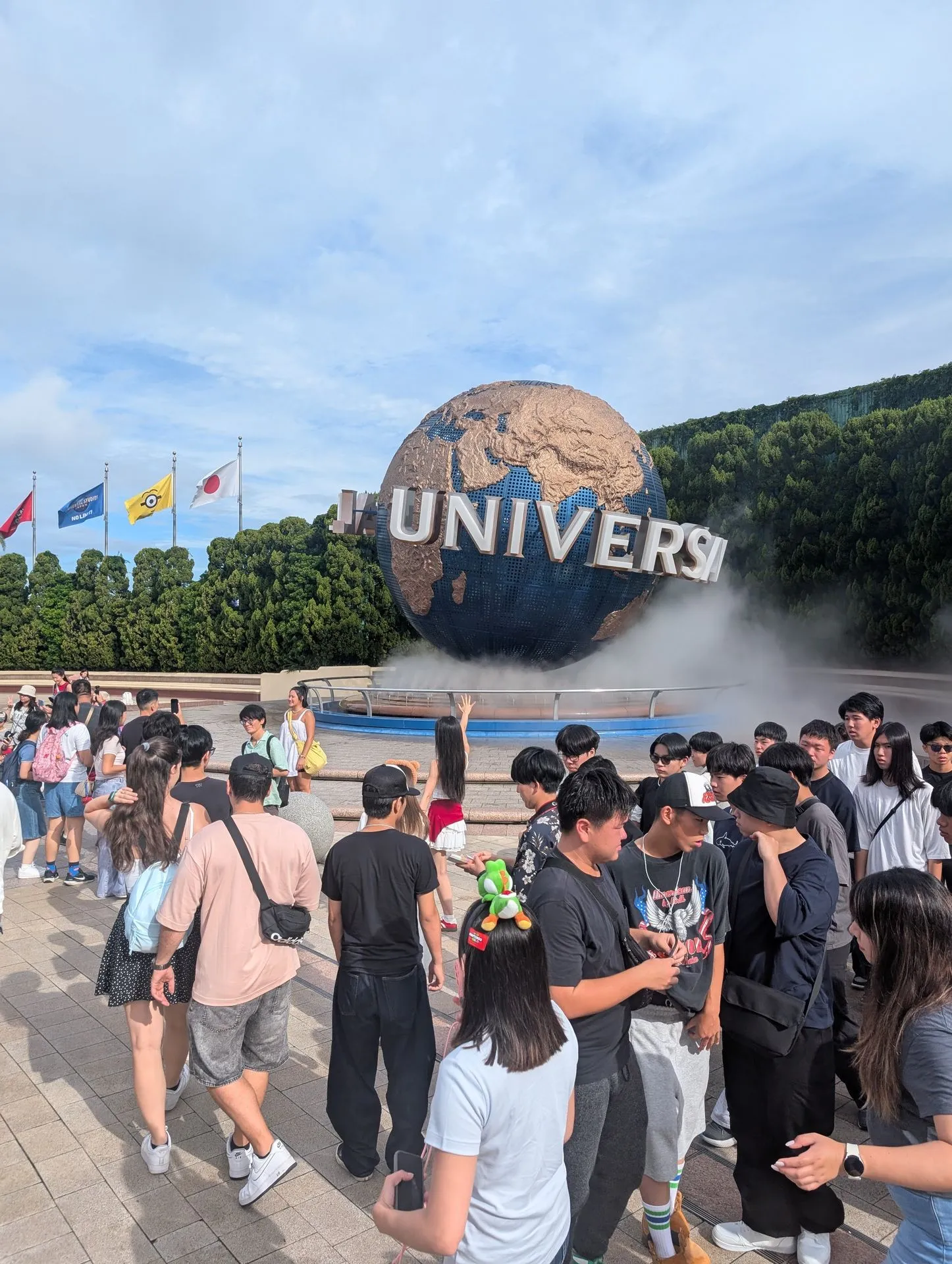
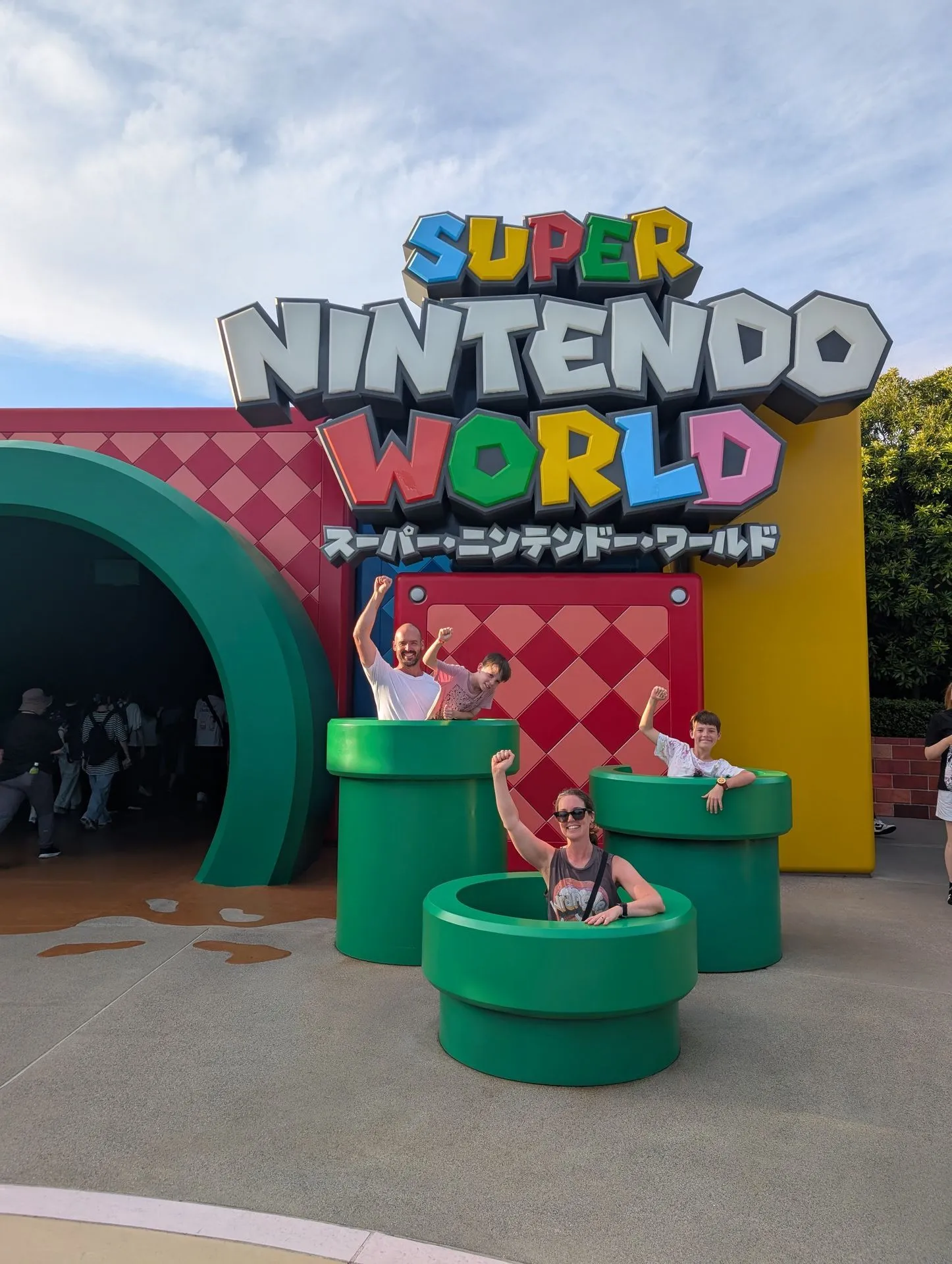
USJ is worth a full day, or two, if your family is theme park obsessed. The park covers an enormous range of zones and the production quality throughout is extraordinary. But the reason most families make the trip is Super Nintendo World, which opened in 2021 and remains one of the most ambitious themed environments ever built. Walking through the pipe into the Mushroom Kingdom and seeing the whole world recreated in three dimensions, the question blocks, the Goombas, the floating platforms, is genuinely stunning even if you’re not particularly a Nintendo fan.
Beyond Nintendo World, the Wizarding World of Harry Potter is beautifully realised, with Hogwarts Castle looming over the zone and the excellent Forbidden Journey ride inside it. The newer Donkey Kong Country area is outstanding, especially the Mine Cart Madness ride, and the classic USJ attractions, Hollywood Dream rollercoaster, Jaws, Jurassic Park, hold up well for kids who want more.
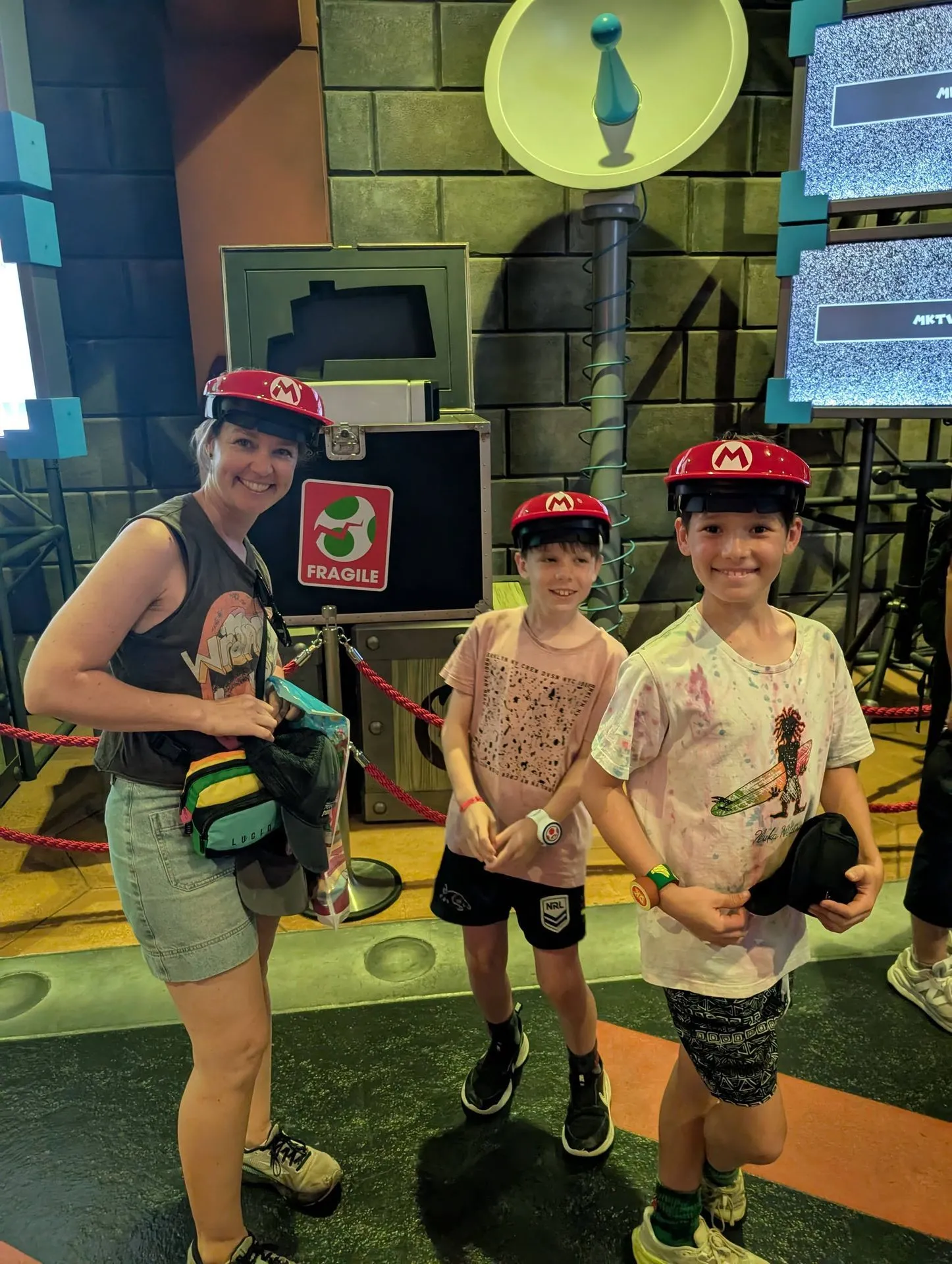
USJ is worth a guide of its own, so we wrote one. It covers Super Nintendo World zone by zone, the Power-Up Band, the Mario Kart and Donkey Kong rides, the Harry Potter castle, and the arrival plan that keeps the queues bearable.
Doing a full USJ day? Our complete guide walks through every zone, the Power-Up Band and Express Pass decisions, and how to beat the queues with kids.
Kaiyukan Aquarium
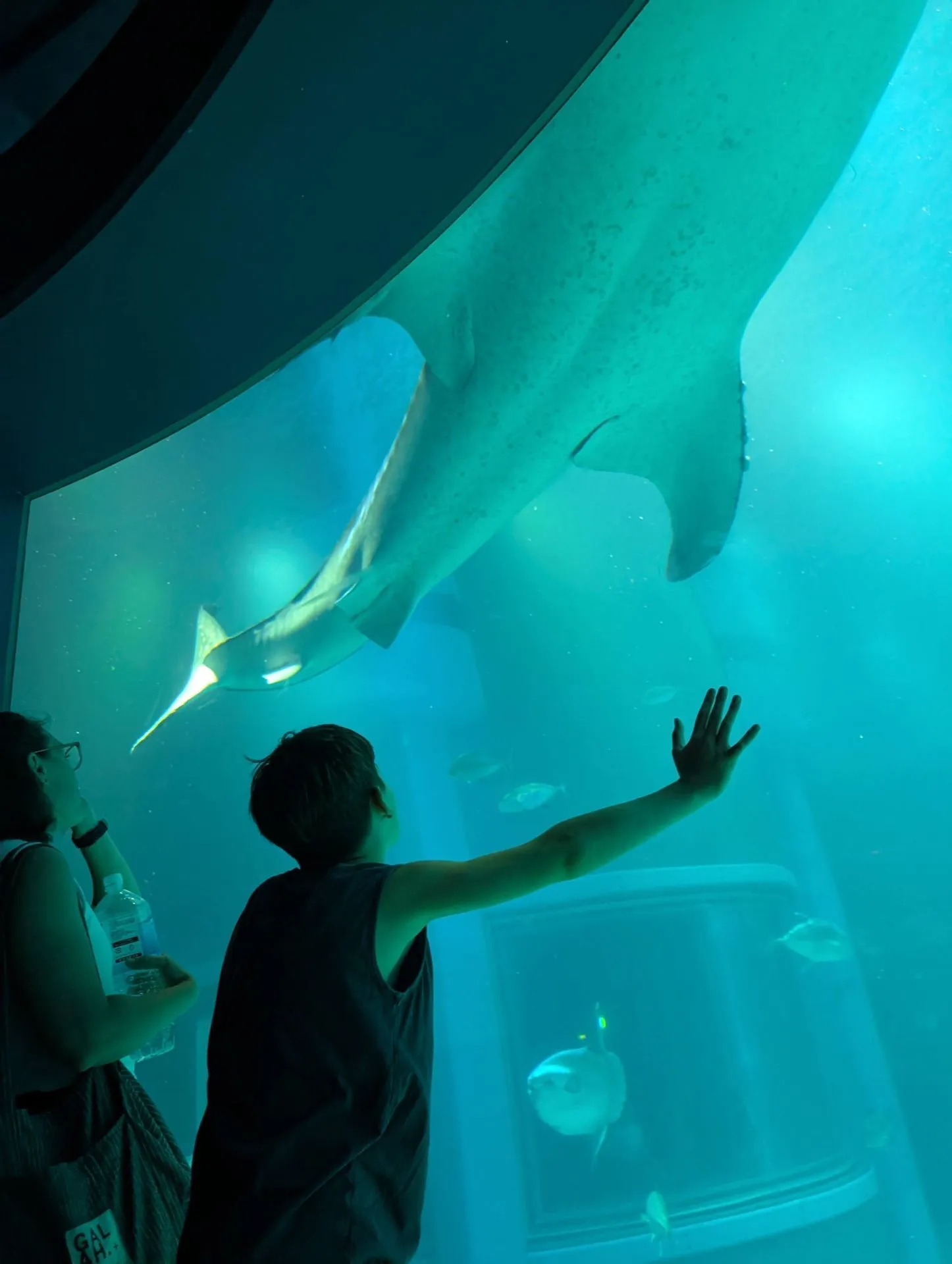
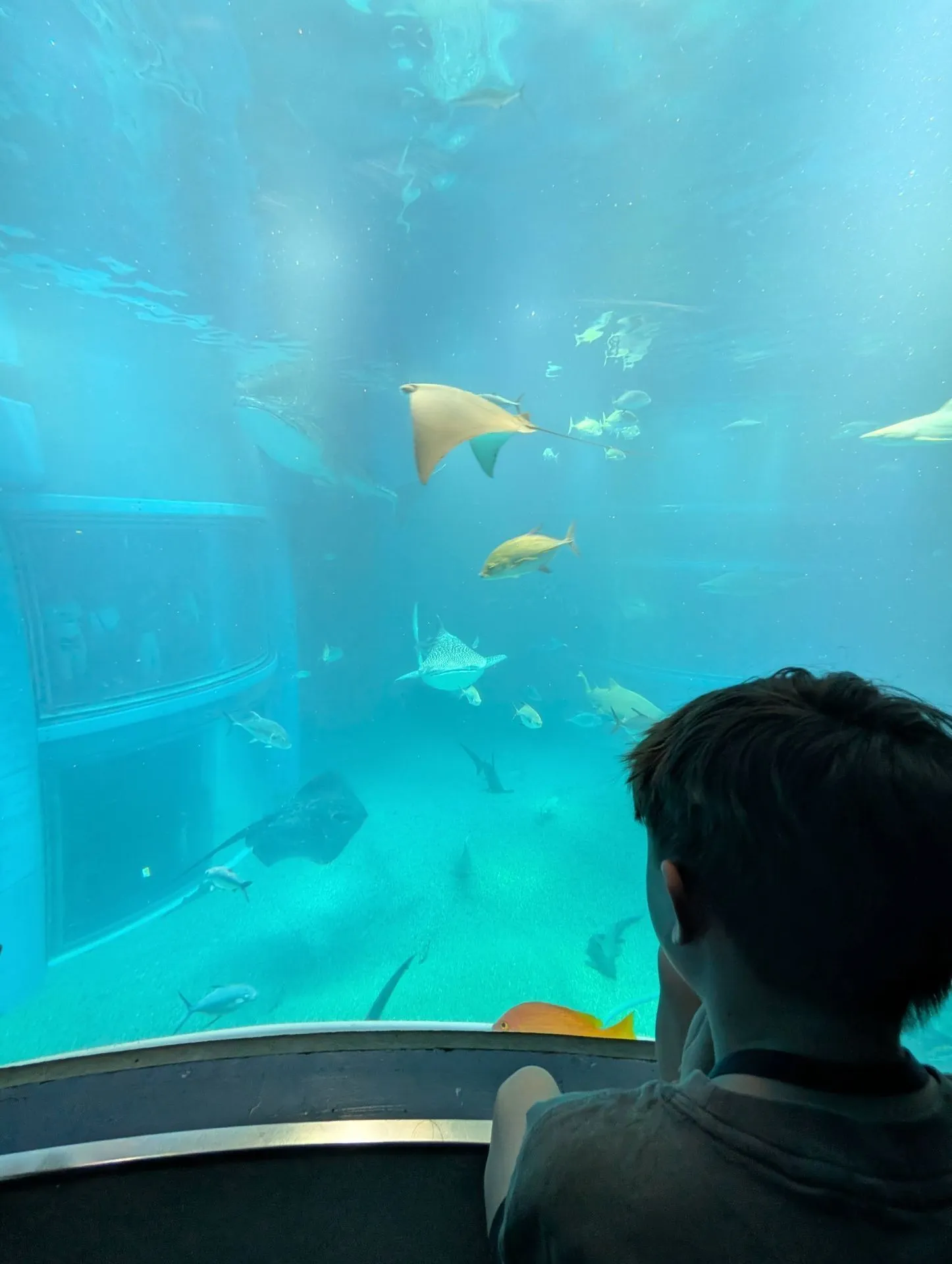
Kaiyukan is one of the largest aquariums in the world and the whale shark is the reason to go. The Pacific Ocean tank, 34 metres long and 9 metres deep, holds a whale shark alongside manta rays, sunfish and thousands of other species. Walking down around the tank and watching the whale shark pass from level after level is the kind of moment that lodges permanently in memory.
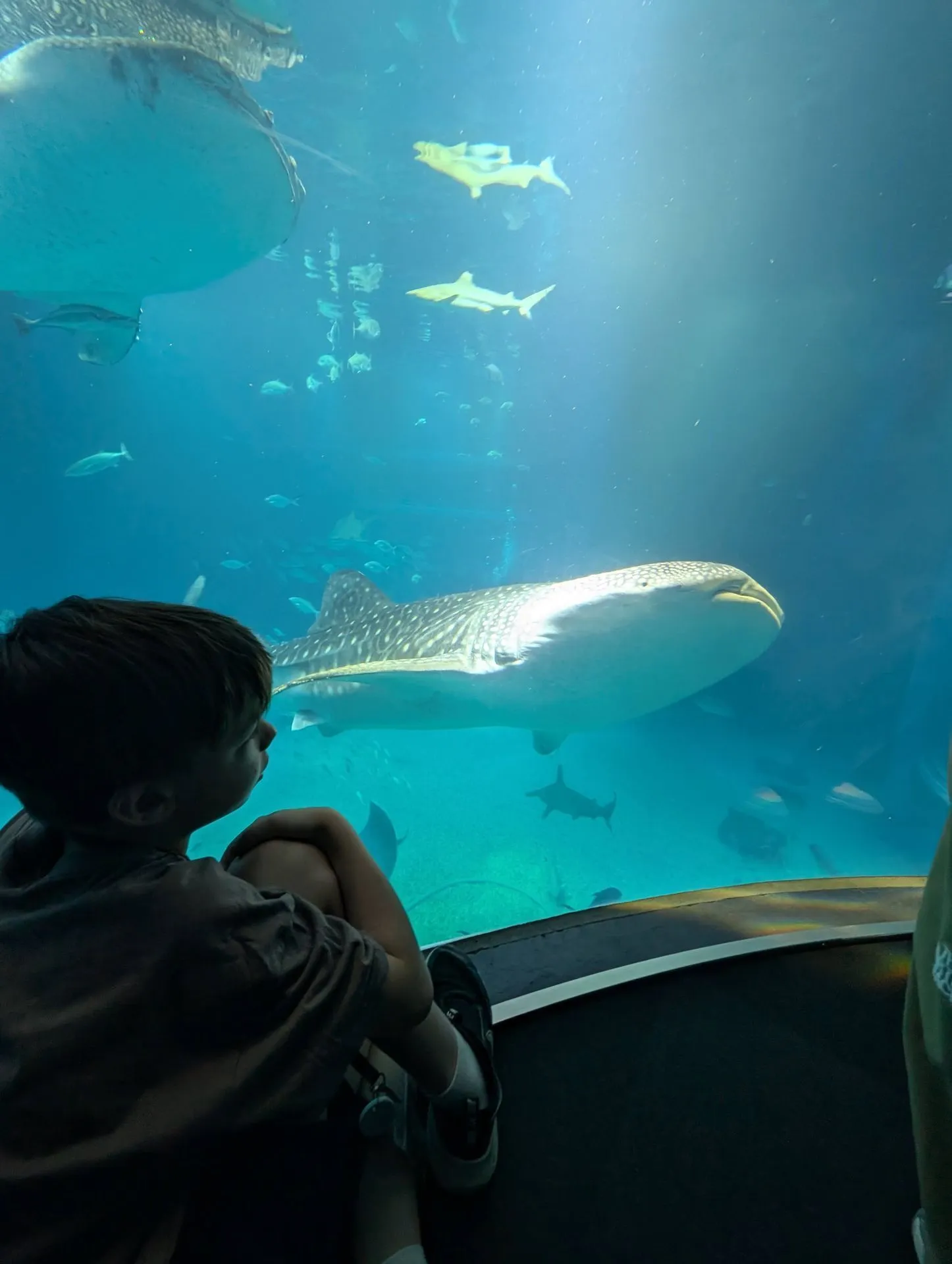
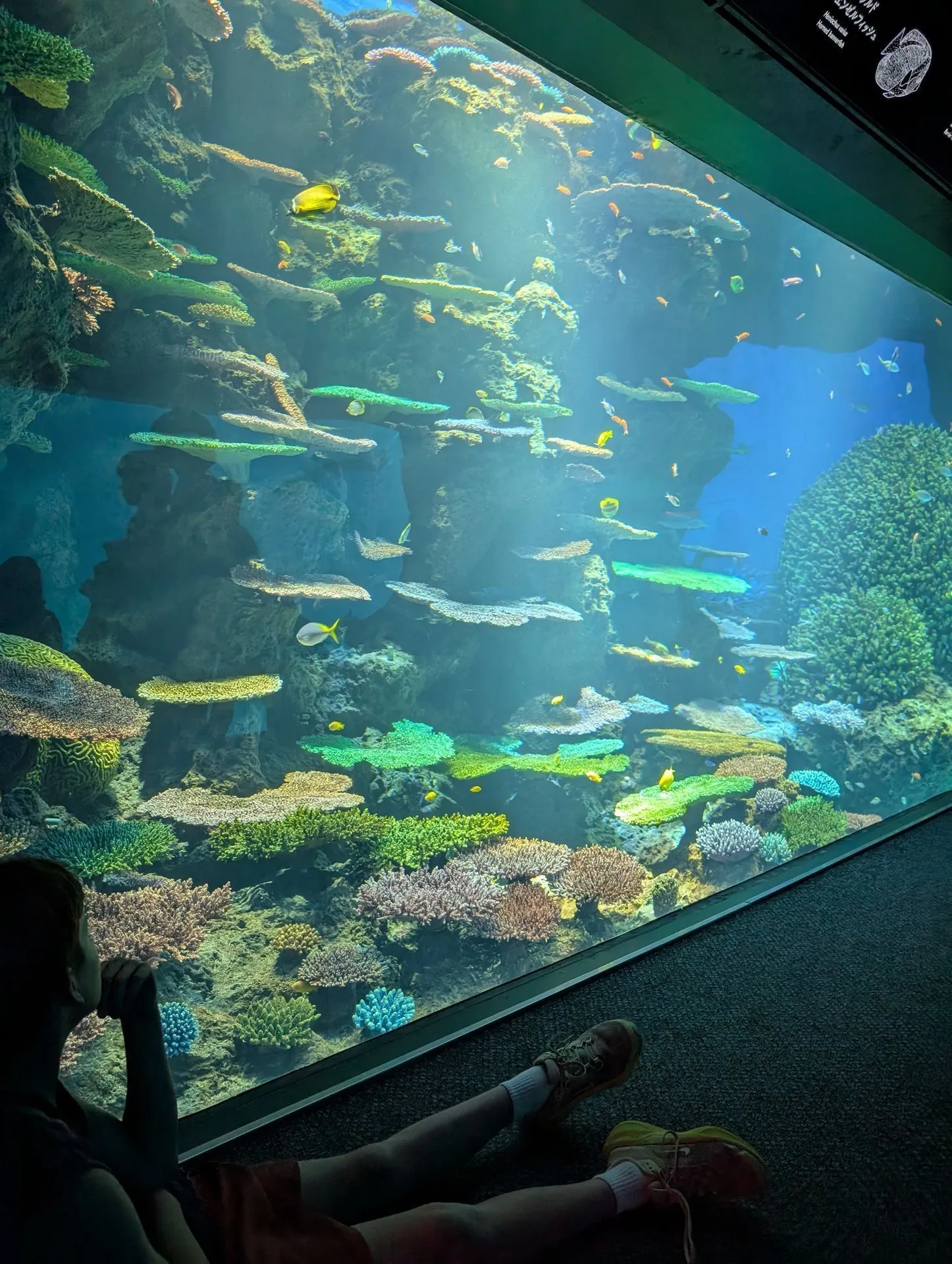
The aquarium is designed as a spiral descent through different ocean zones, from the Japan Forest at the top to the Antarctic and Arctic exhibits at the bottom. Each zone has its own lighting and temperature, and the transitions between them are genuinely dramatic. Plan at least three hours, more if the kids want to watch the whale shark on multiple floors.
Kaiyukan tickets are worth having before you arrive, particularly in school holidays.
Dotonbori and Namba
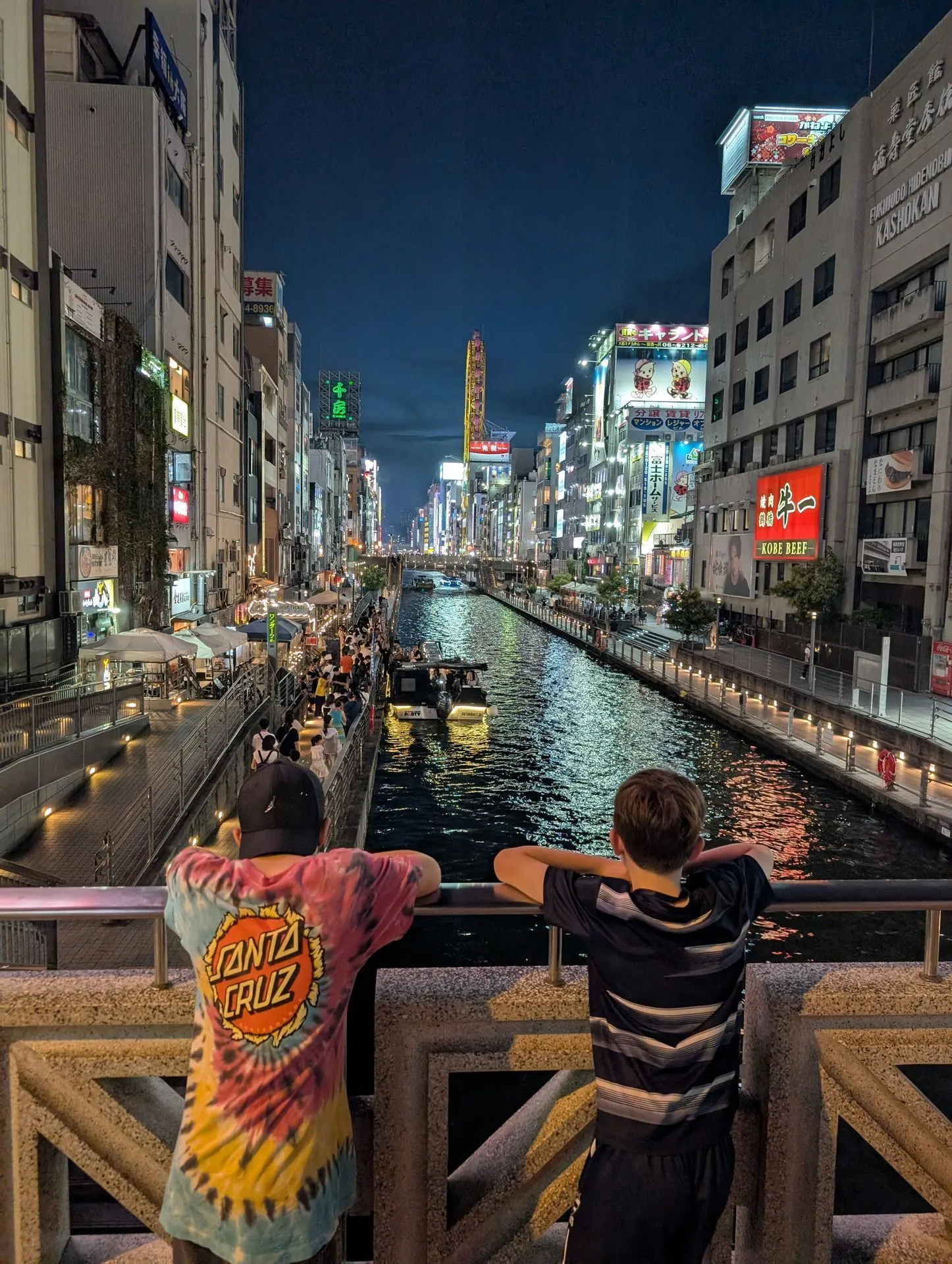
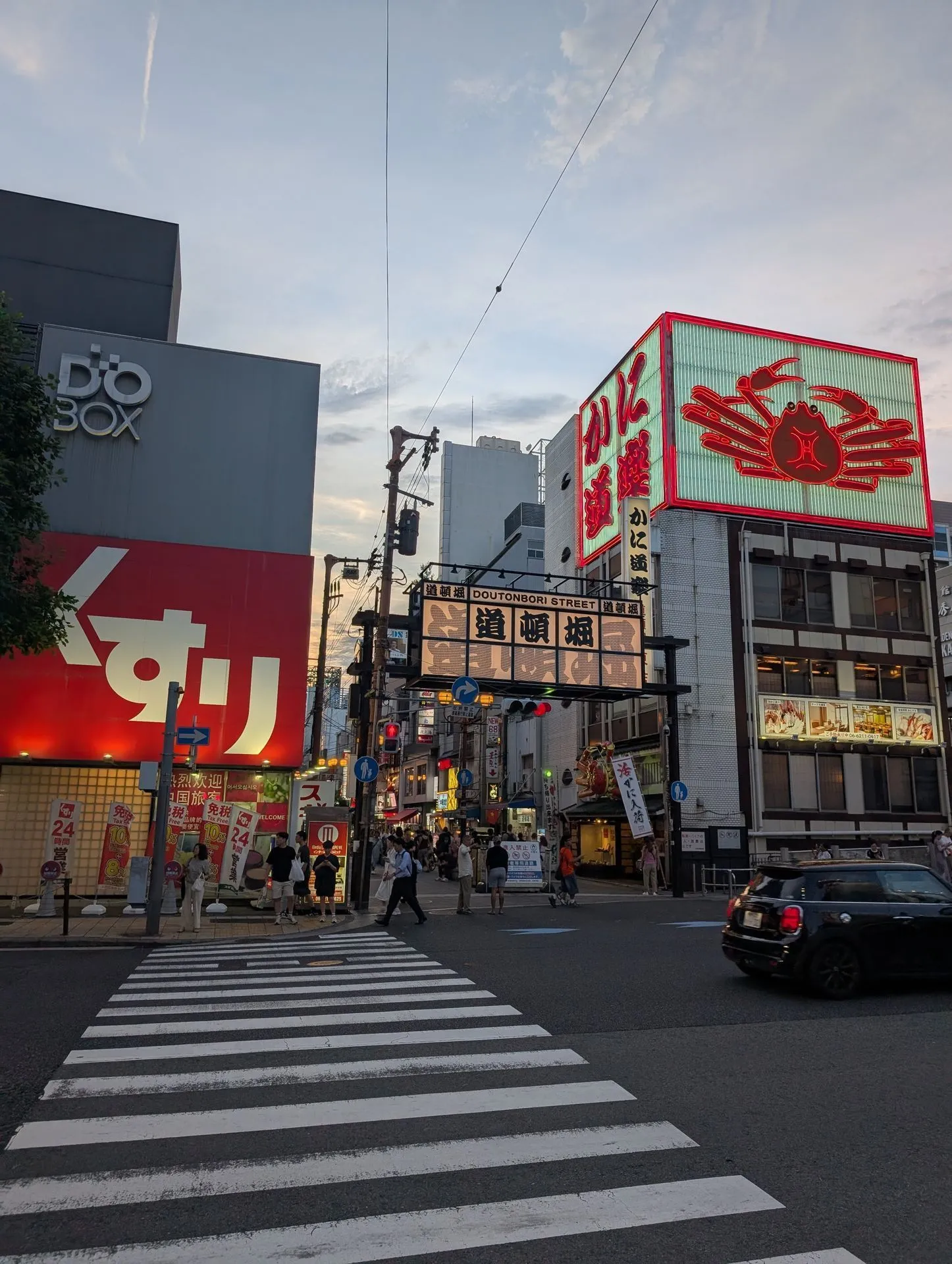
Dotonbori is the canal street that defines Osaka’s image, a kilometre of neon signs, giant mechanical crabs, ramen shops, takoyaki stalls and street food vendors that runs along the south bank of the Dotonbori canal. It’s best in the evening when every sign is lit and the crowds are out in force. The energy is unlike anywhere else in Japan.
Two things worth hunting for while you are down there. There is a pillow slide in Dotonbori, and our boys went down it. And the surrounding streets have multi-floor shops that are half arcade, with claw machines, Pokémon cards and second-hand records. We went record shopping in one.
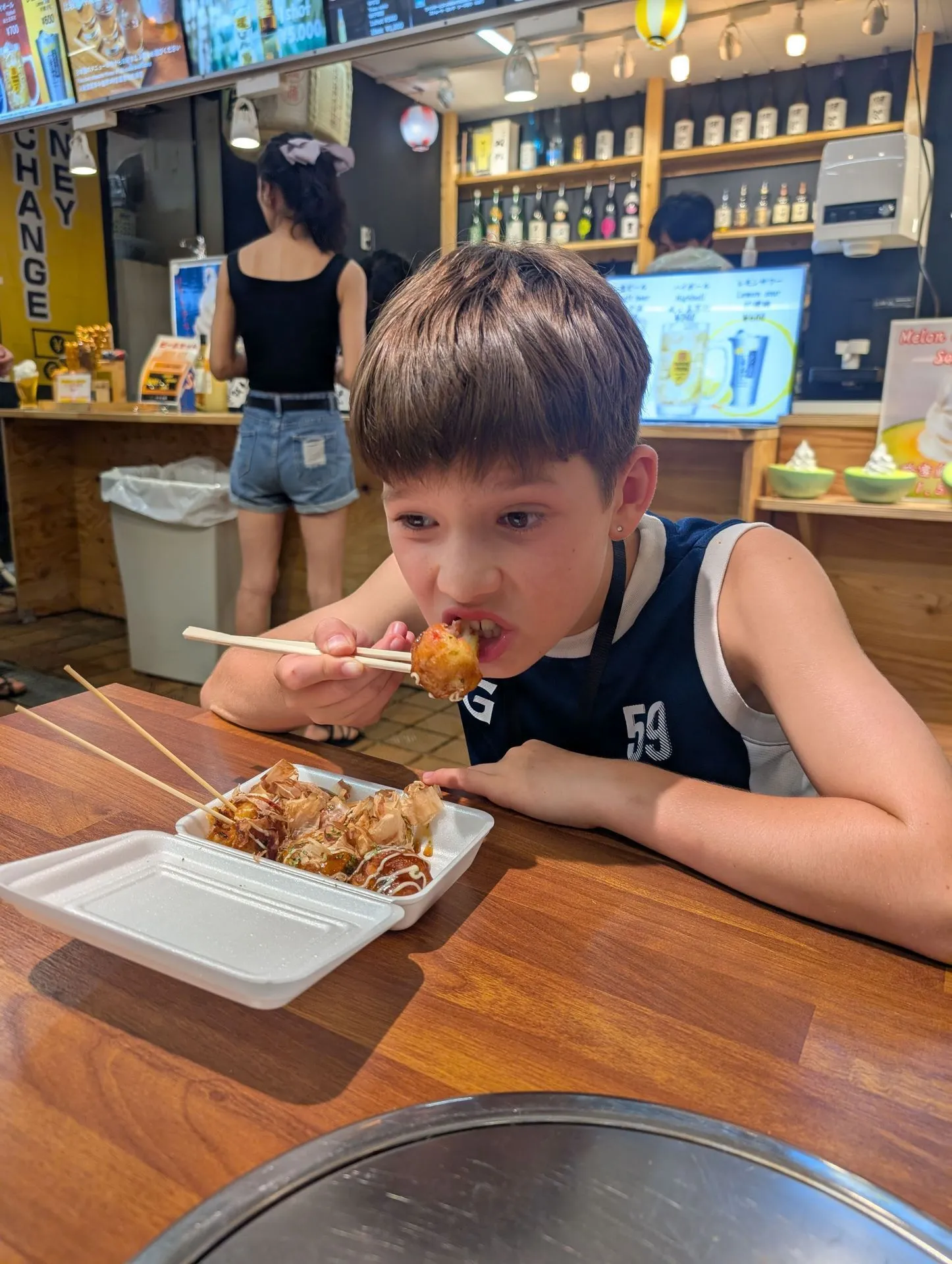
The signature food is takoyaki, octopus balls cooked in a cast-iron mould, brushed with sauce, mayo and bonito flakes. Every stall produces them slightly differently and locals argue passionately about which is best. Don’t try to adjudicate; just eat multiple rounds from different vendors. Kushikatsu (deep-fried breaded skewers dipped in a communal sauce, don’t double dip, it’s a genuine rule) is the other Osaka staple worth seeking out.
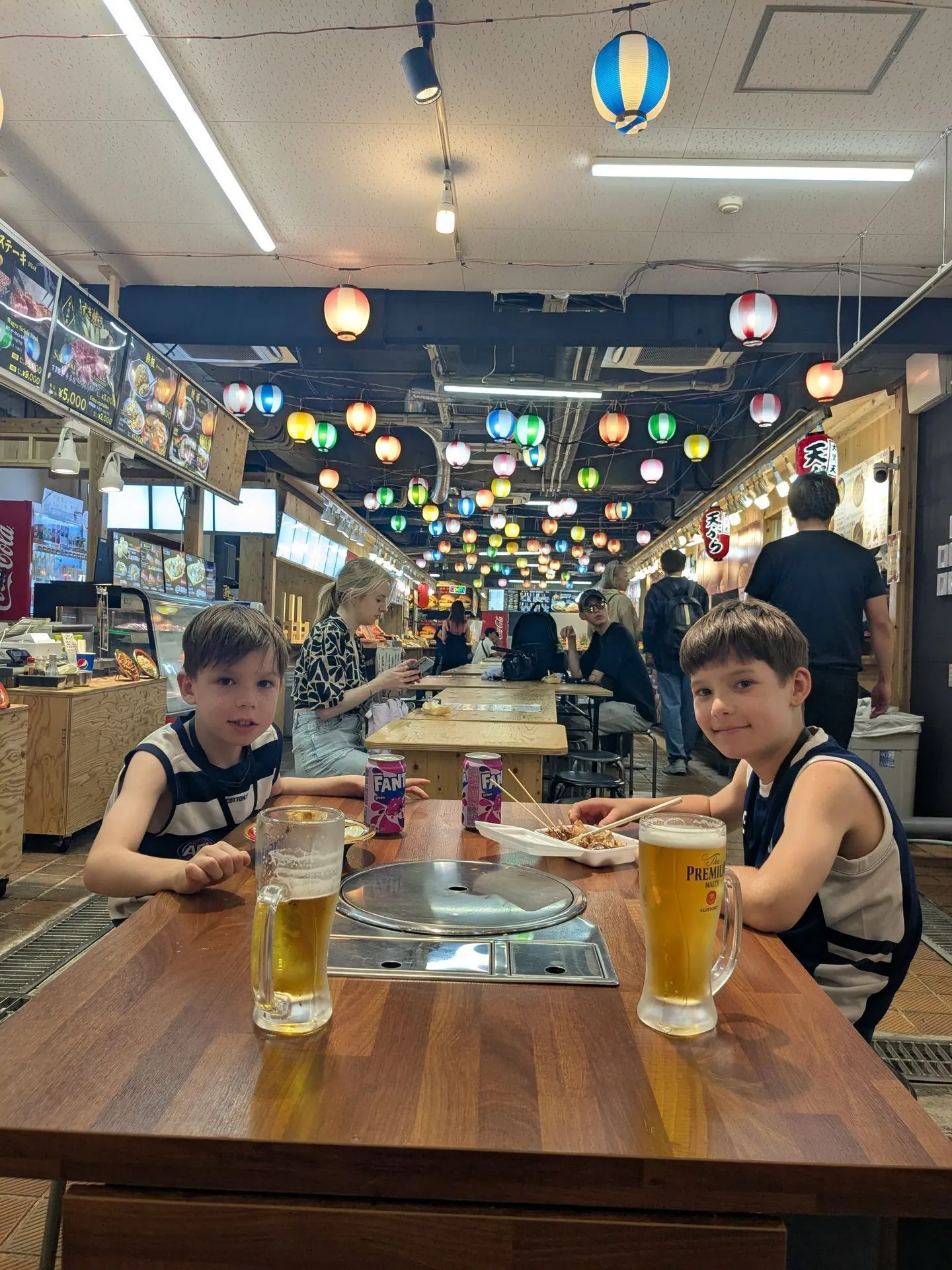
We ate around Dotonbori on our own, two evenings running. If you would rather know what you are eating, the street food tours cover the same few blocks.
Osaka Castle
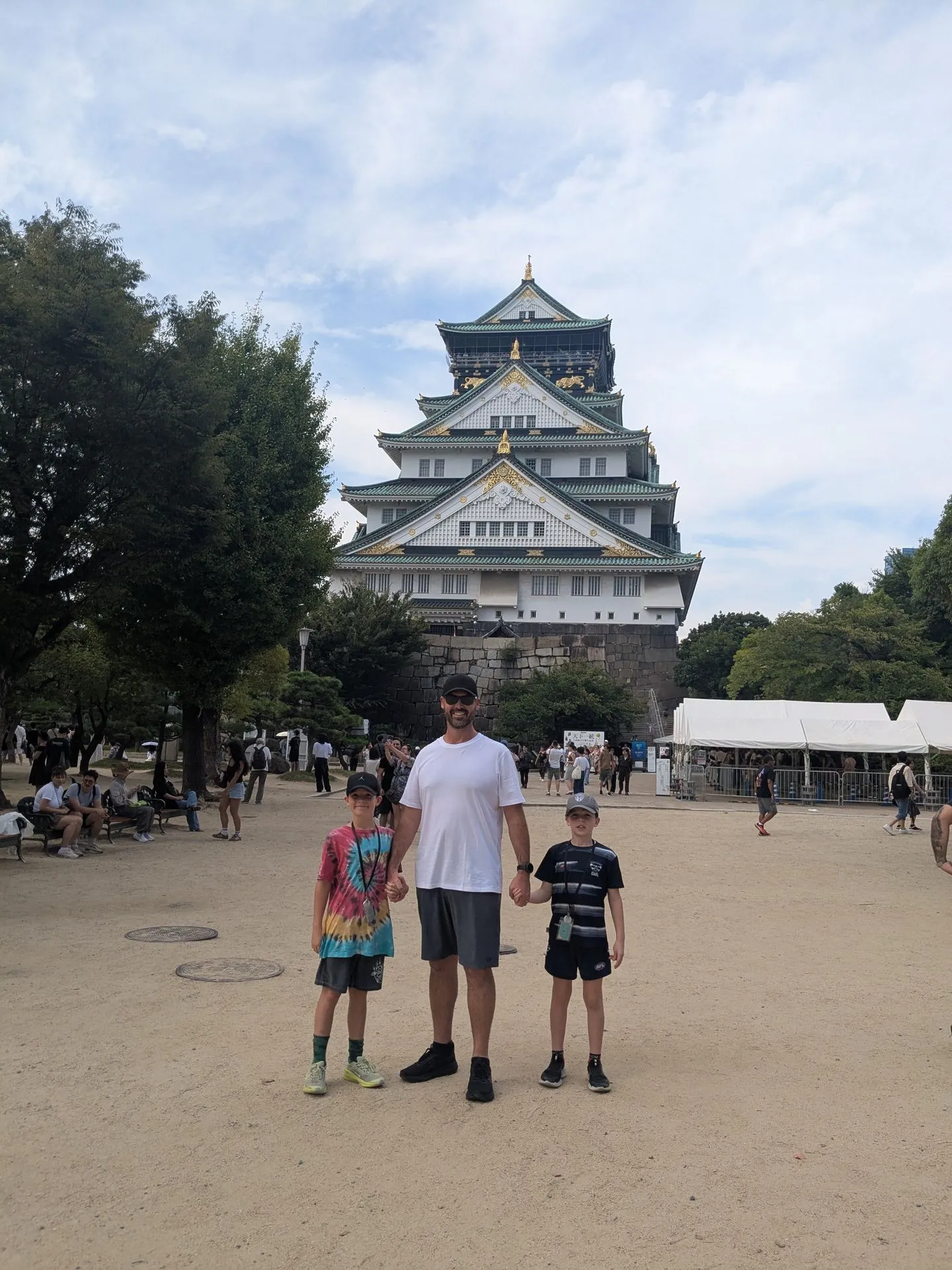
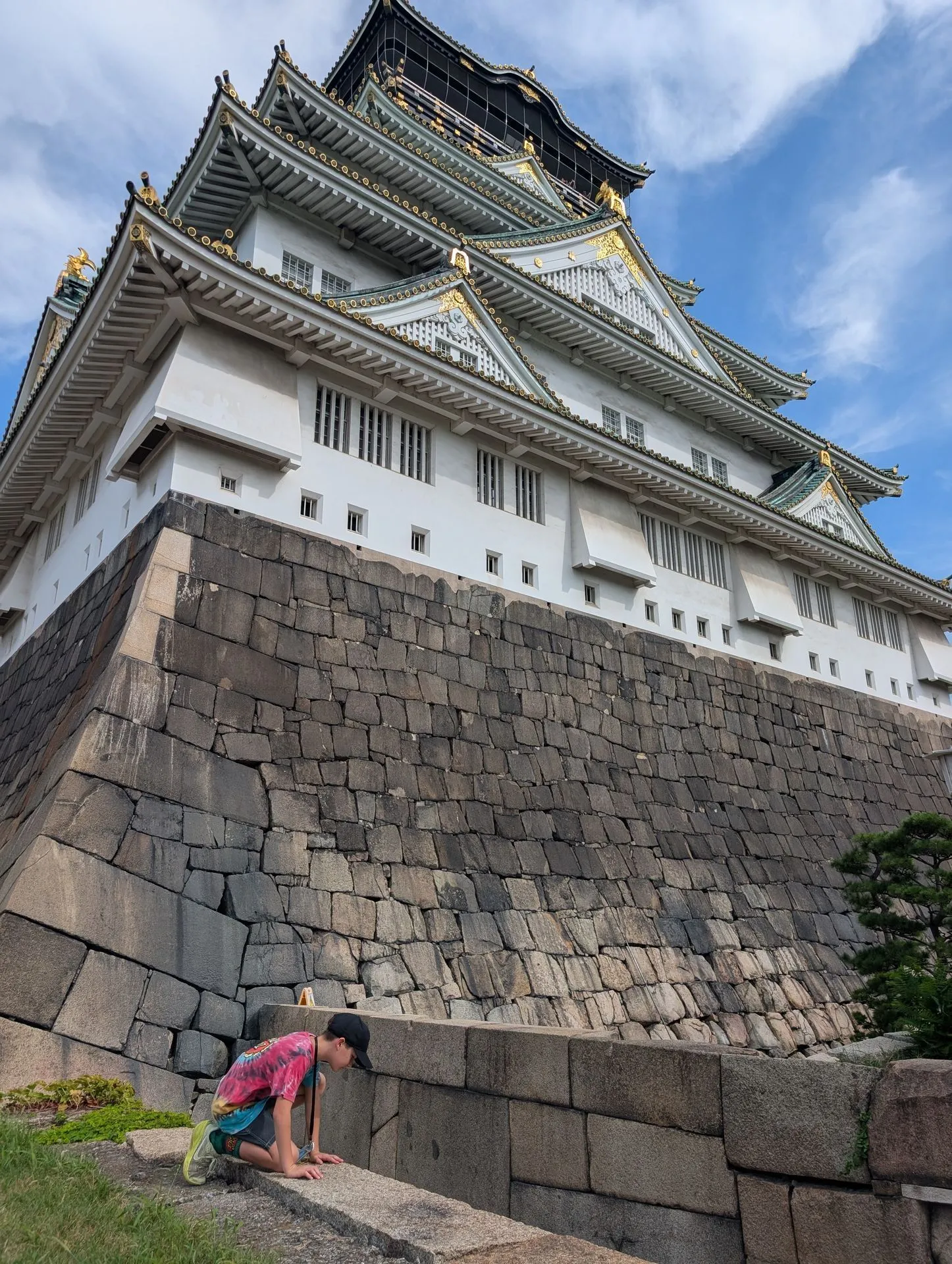
Osaka Castle is one of Japan’s most recognisable landmarks, a white and green keep rising above massive stone walls and a broad moat. The grounds are enormous and free to enter, making it a perfect morning visit before the day heats up. The castle itself is a museum inside (¥1,200 for adults, free for junior high age and under) with good exhibits on the castle’s history and Toyotomi Hideyoshi, who built the original in 1583. The top floor has panoramic views over the city.
Umeda Sky Building
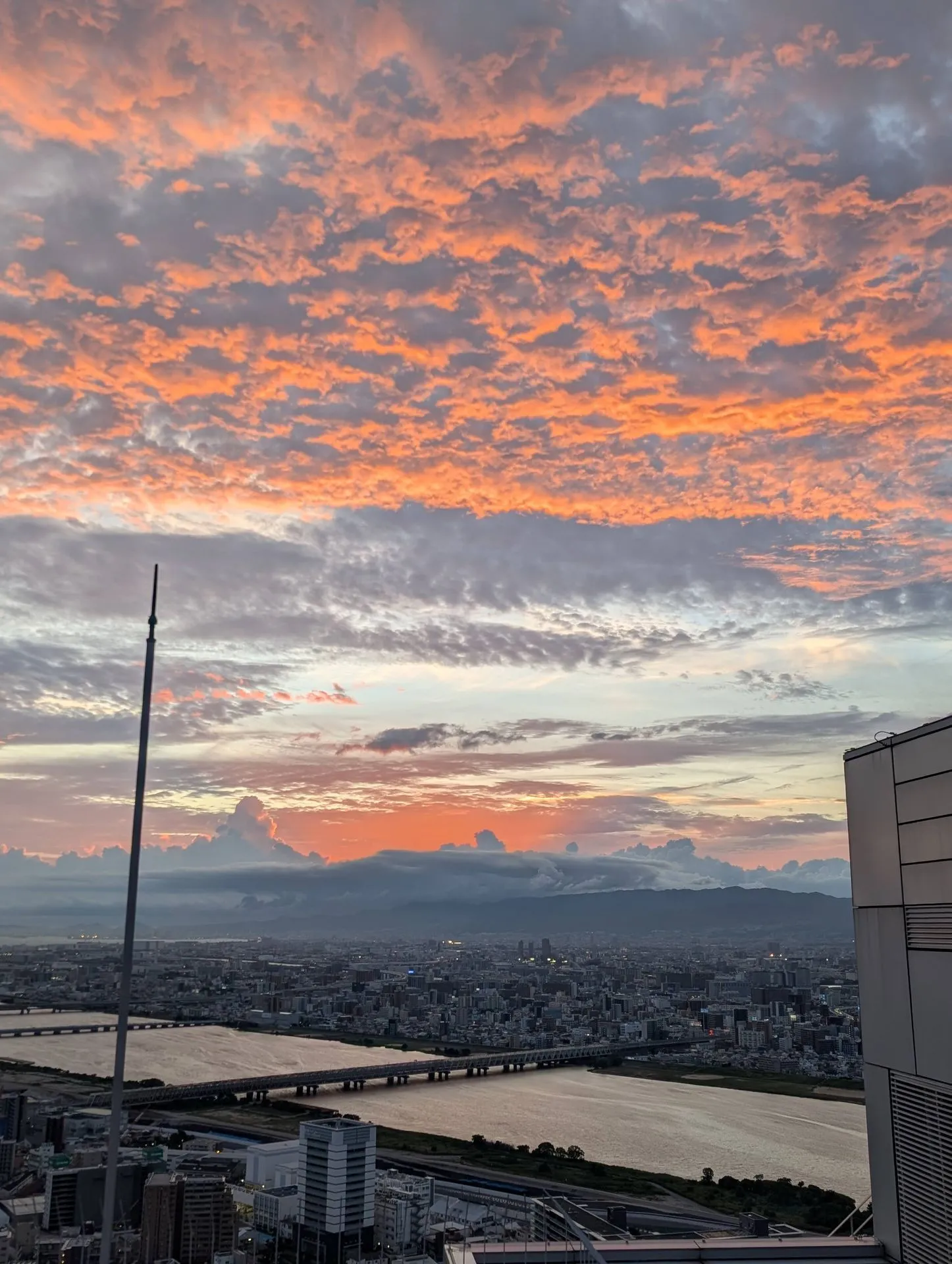
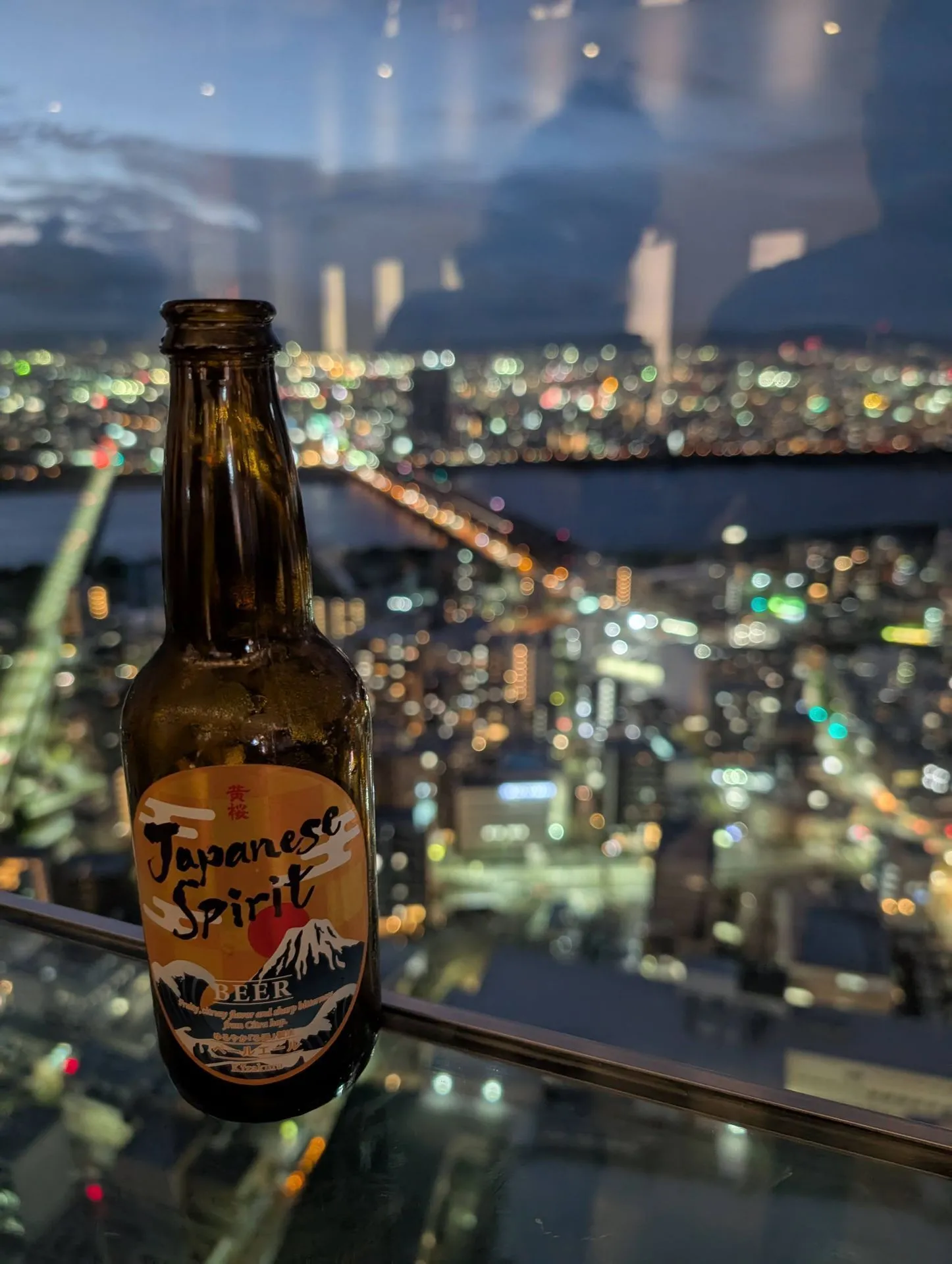
The Umeda Sky Building is two 40-floor towers connected at the top by a “floating garden” observatory 173 metres above the city. Getting there involves riding a glass-tube escalator between the towers, mildly terrifying for anyone with a head for heights and deeply thrilling for everyone else. The rooftop is open-air with 360-degree views and is at its best at sunset, when the city turns gold and then begins to light up.
Umeda Sky tickets, hours and sunset
Entry to the Kuchu Teien Observatory is ¥2,000 for adults and ¥500 for kids aged 4 to 12, and under-4s are free, as at 16 October 2026. Older guides quoting ¥1,500 for adults are out of date. It’s open from 9:30am to 10:30pm, with last entry at 10pm, and the open-air deck can close in heavy rain.
Sunset is the reason to go, so head for the west side of the deck. In September, when we went, the sun sets over Osaka at around 6:25pm at the start of the month and around 5:45pm by the end. Across the year it ranges from about 4:50pm in early December to about 7:15pm in late June. Aim to arrive half an hour before, so the kids get the glass escalator ride up and you get a spot on the rail before the light turns.
- Booking ahead. The observatory’s own website points to Klook for advance tickets, which saves queuing at the busiest time of day.
- The Osaka Amazing Pass gets you in free only between 9:30am and 3pm. After that it’s 10% off, so it doesn’t help much at sunset.
- Getting there. It’s about a 10-minute walk from JR Osaka Station, partly through an underground walkway.
Umeda Sky Building tickets. We went up for sunset, which is the time to go, and it is worth booking ahead in peak season.
Tempozan: Ferris Wheel and Animal Cafe
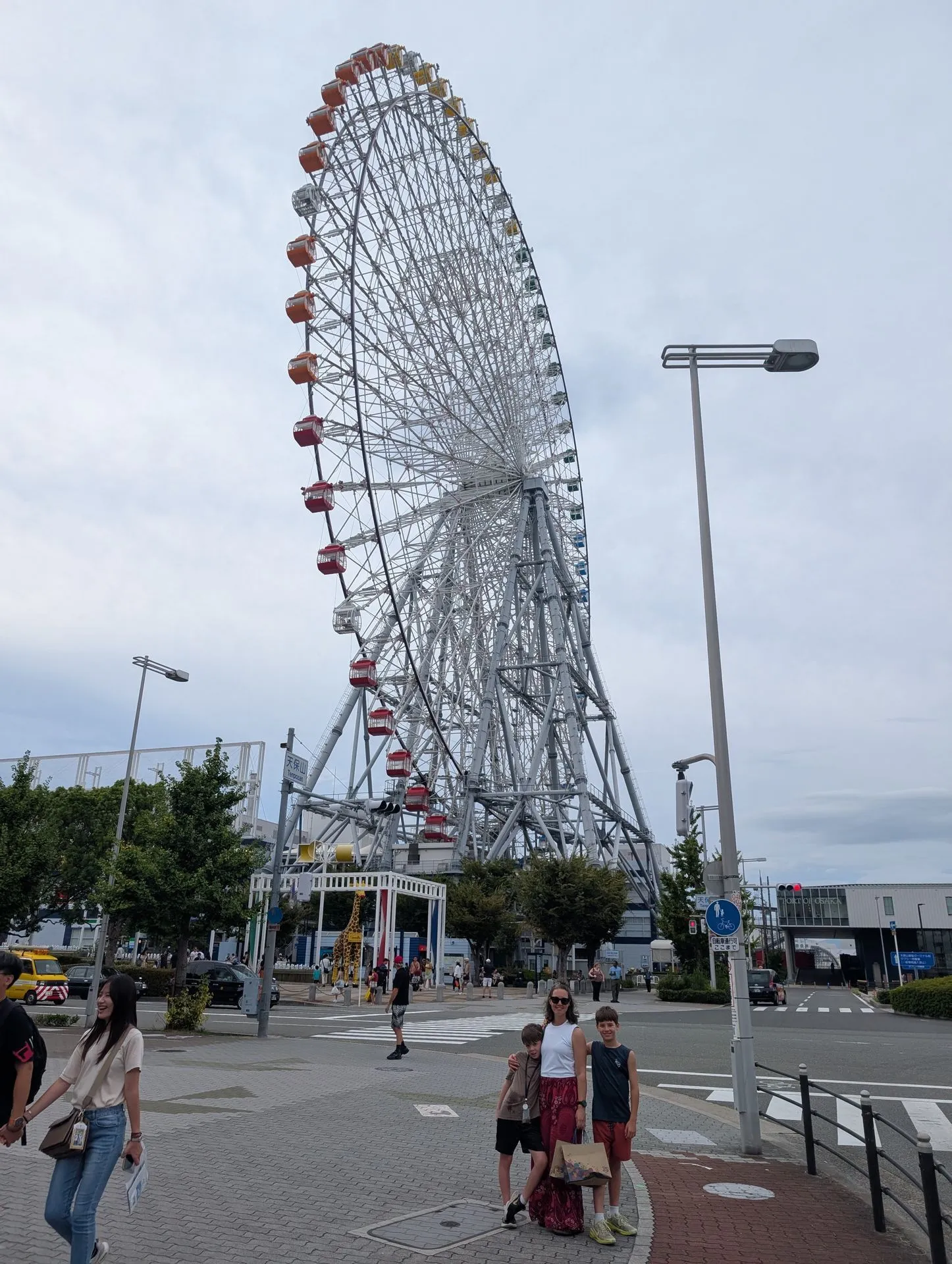
Tempozan is the waterfront district that holds Kaiyukan, making it a natural addition to an aquarium visit. The Tempozan Giant Ferris Wheel stands 112 metres high and takes about 15 minutes to complete a circuit, with good views across Osaka Bay and back towards the city skyline. The animal cafe nearby, with guinea pigs, rabbits and other small animals, is a reliable hit for younger children who want something more interactive after a morning of looking at fish.

What to eat in Osaka
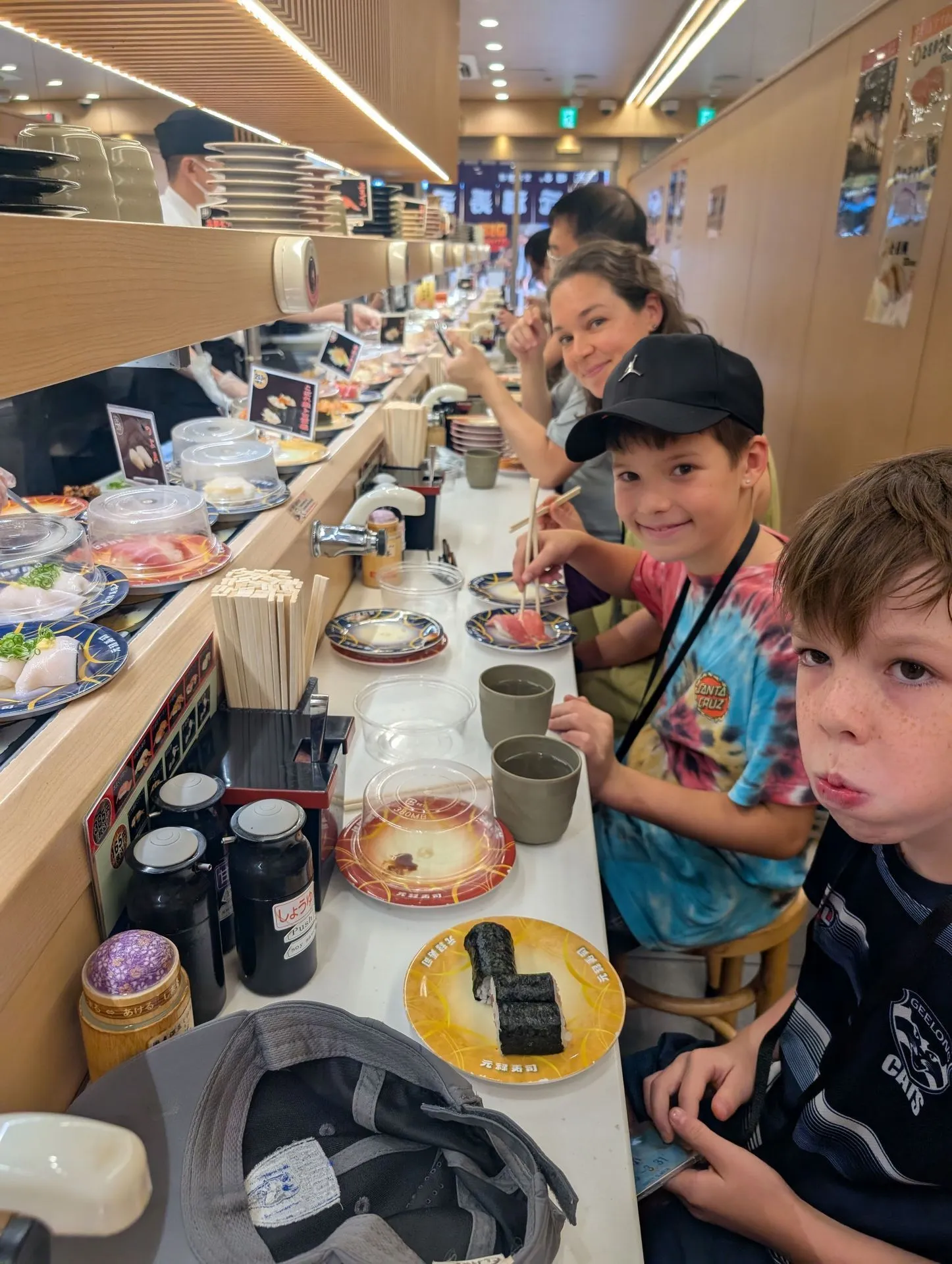
Osaka is Japan’s food capital in the most literal sense, no other city has as many restaurants per capita, and the local attitude to eating is joyful rather than reverent. The city’s signature dishes are all designed to be eaten standing up or walking, like takoyaki, kushikatsu, okonomiyaki (savoury pancake cooked on a griddle), and negiyaki (a thinner version with spring onions). Conveyor belt sushi (kaiten-zushi) is everywhere and consistently excellent. Our food guide covers the rest of the country, and why even cautious eaters tend to do well here.

🐙 Takoyaki
Osaka’s signature street food, octopus balls cooked in a cast-iron mould, served with sauce, mayo and bonito flakes. Try multiple vendors on Dotonbori. The best ones have a crispy exterior and molten centre.
🍡 Kushikatsu
Deep-fried breaded skewers, meat, seafood, vegetables. Dipped in a thin communal sauce (never double dip, it’s taken seriously). Best eaten at a dedicated kushikatsu restaurant in the Shinsekai neighbourhood.
🥞 Okonomiyaki
Savoury pancake cooked on a griddle with cabbage, egg, meat or seafood and topped with the same sauce-mayo-bonito combination as takoyaki. Filling, kid-friendly and good at lunch or dinner.
Where to stay in Osaka
Namba and Shinsaibashi are the best bases for families, central, walkable, and well connected to the rest of the city. USJ is on the JR Yumesaki Line, reached by changing trains at Nishikujo, and the aquarium is a metro ride away. The area has an enormous range of hotels from business hotels to larger family rooms. Staying here also means Dotonbori is a 5-minute walk for evening food, which is reason enough. We compare the options, and what a family actually needs from a room, in where to stay with a family.
Where to stay in Osaka? Namba sits closest to the Dotonbori food and lights; Shinsaibashi is a touch calmer. Both are a short walk from Dotonbori and well connected by train.
Practical tips for Osaka with kids
The small stuff that makes a difference. For the bigger picture, see getting around Japan and what the whole trip cost us.
🎟️ Book USJ tickets early
USJ is at capacity on weekends and school holidays. Buy tickets online well in advance. Decide whether you want an Express Pass before you go, Mario Kart queues regularly hit 120 minutes without one.
🚇 The Osaka Metro is excellent
IC card covers everything. The Midosuji Line (red) connects Namba to Shinsaibashi and Umeda. USJ has its own JR line from Nishikujo or direct from Osaka Station. The system is well-signposted in English.
📍 Namba vs Shinsaibashi
Both are excellent bases. Namba is slightly more chaotic and closer to Dotonbori. Shinsaibashi has slightly more space and is a bit quieter. Both are walkable to each other and to most central Osaka attractions.
🦀 Dotonbori in the evening
Dotonbori is at its best after dark when the neon signs are fully lit and the food stalls are busy. Plan your first evening meal here, it sets the tone for the whole Osaka visit.
🎡 Combine Kaiyukan and Tempozan
Both are at the Tempozan waterfront and make a natural full-day combination. Kaiyukan in the morning, lunch at the Tempozan Marketplace food court, Ferris Wheel and animal cafe in the afternoon.
🚄 Day trips from Osaka
Nara is 35 minutes on the Kintetsu Namba Line. Kyoto is 15 minutes on the Shinkansen from Shin-Osaka or 40 minutes on the Hankyu/JR from Osaka Station. Both are easily manageable as day trips.
Want USJ or Osaka handled for you? Day tours and combo tickets for USJ, Kaiyukan and Dotonbori food tours take the logistics off your plate.