What the kids actually ate in Japan.
Here is everything we actually ate in Japan, from Osaka street food to Tokyo konbini runs.
Bringing a fussy eater? Relax.
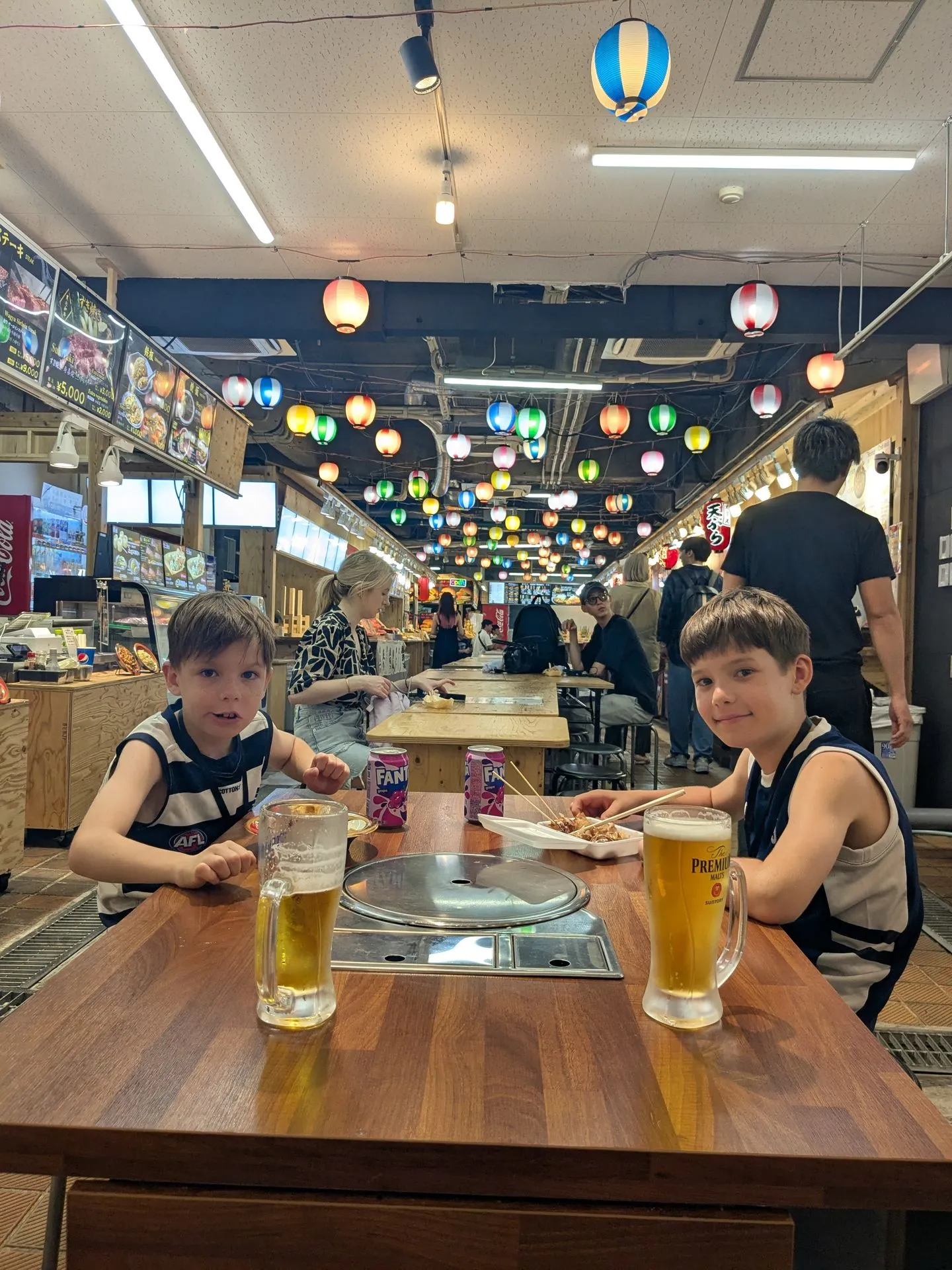
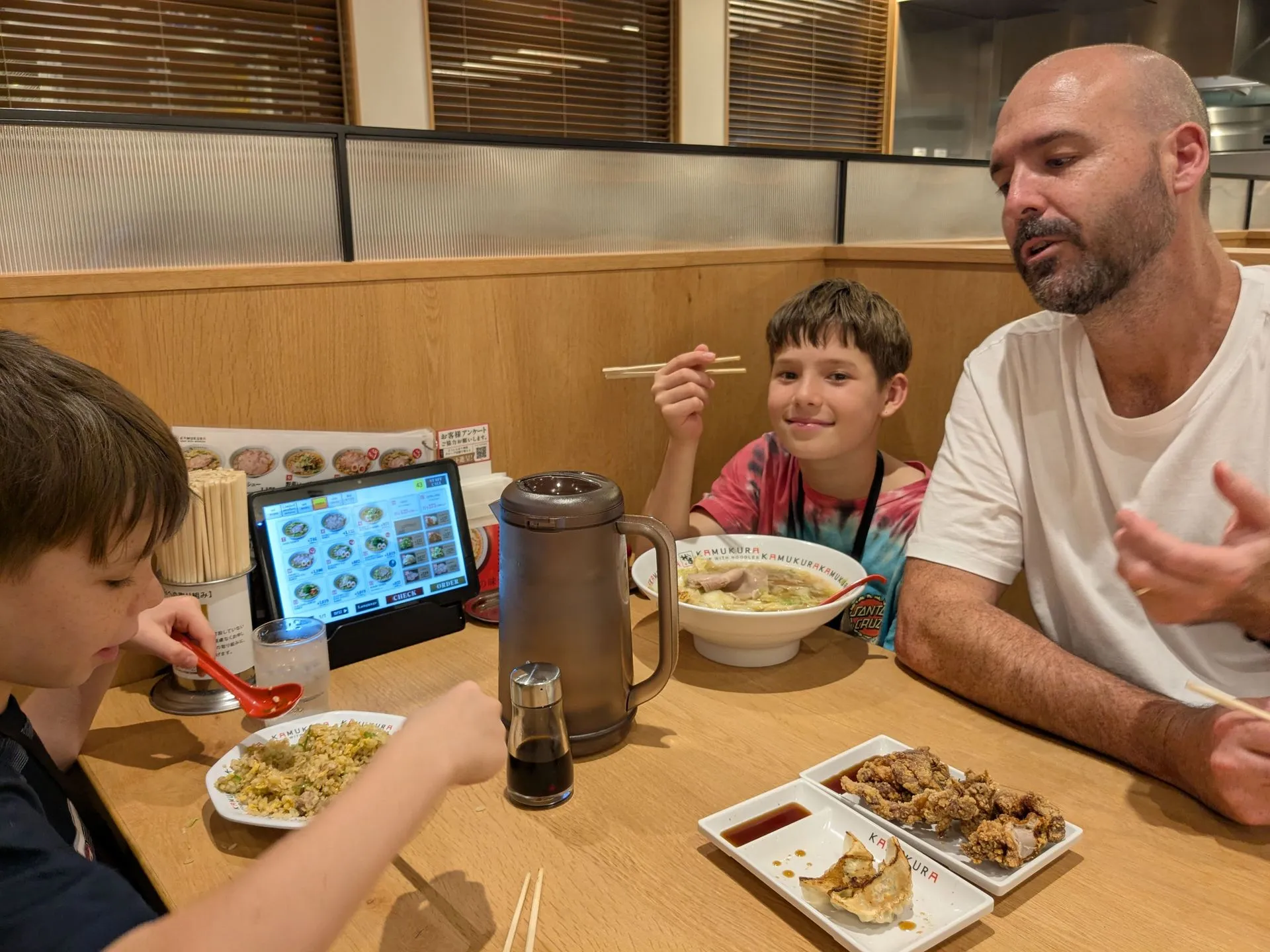
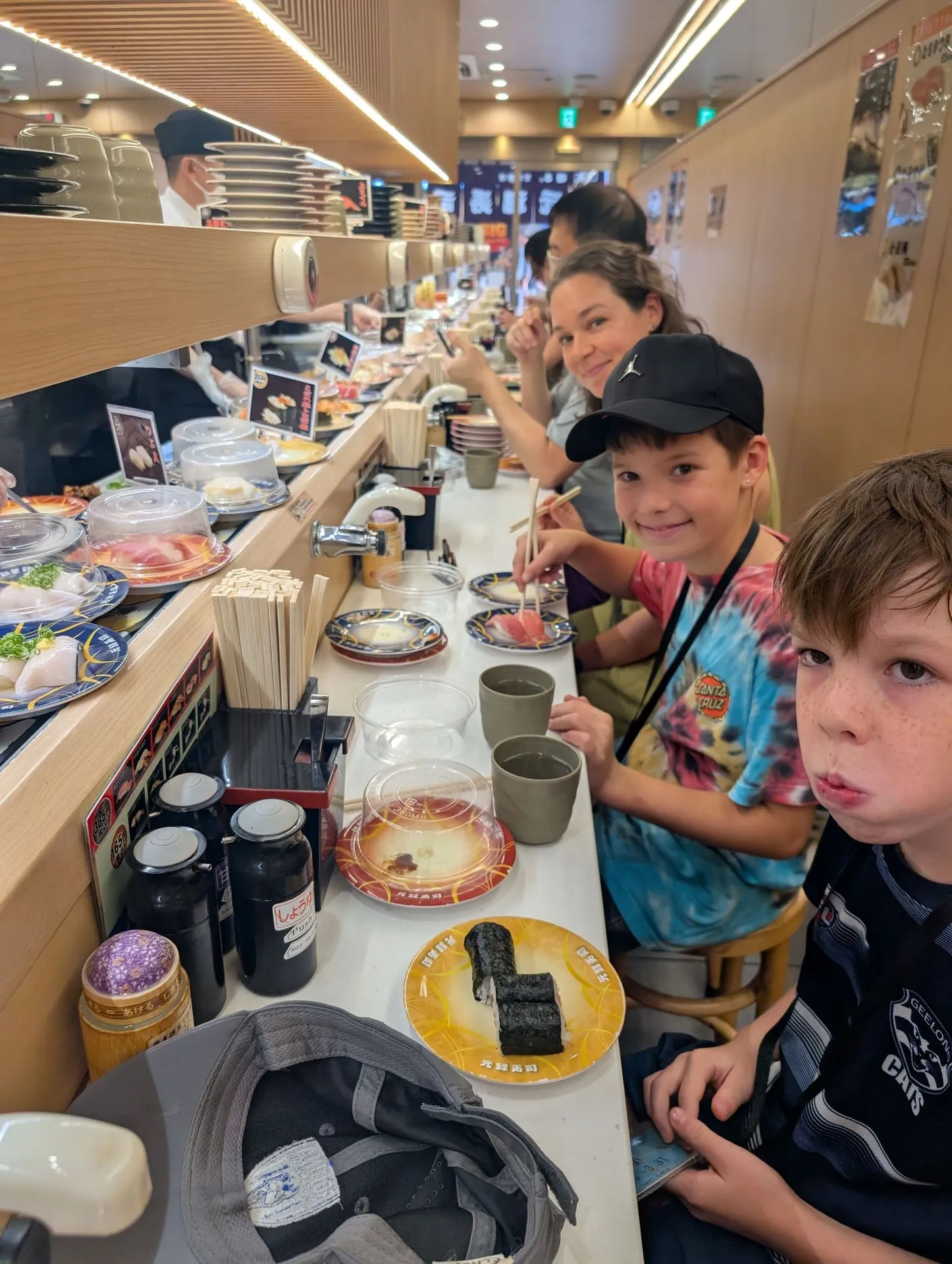
Food is the question most parents ask about Japan. Will the kids eat anything? What if they hate it? Ramen, sushi, yakitori, takoyaki, konbini snacks and the odd KFC kept all four of us fed.
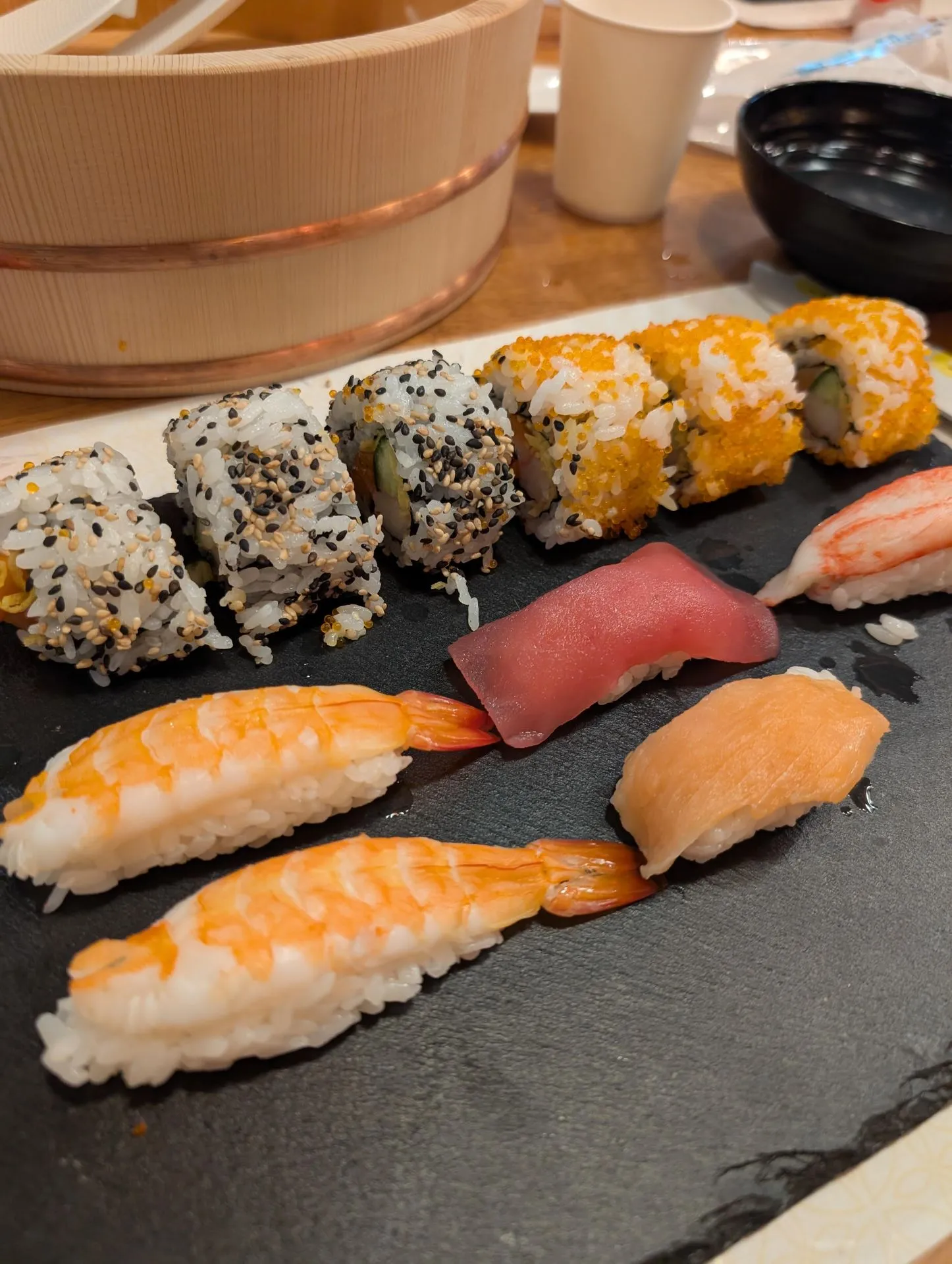
The class in that photo was a sushi-making class in Shibuya, and everyone really enjoyed it. Plenty of operators run these in Tokyo, so ours is one option rather than the option.
- Ramen is universally loved
- Mild chicken or pork ramen, gyoza, rice bowls. Simple, delicious and on every corner.
- There is always a backup
- Convenience stores stock onigiri, sandwiches, hot snacks and drinks around the clock. Your fallback for a fussy day is never far away.
- Street food is a highlight, not a hurdle
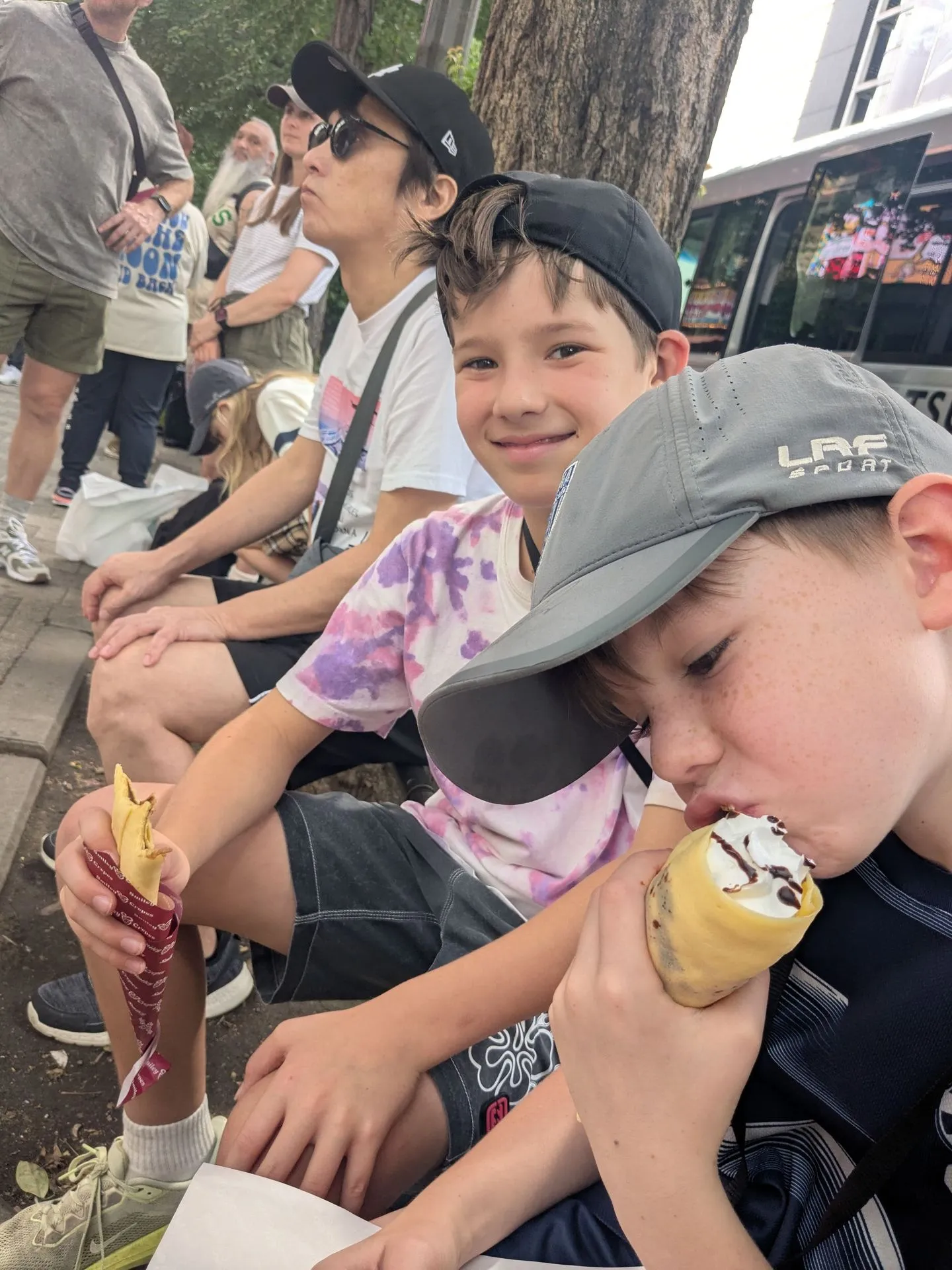
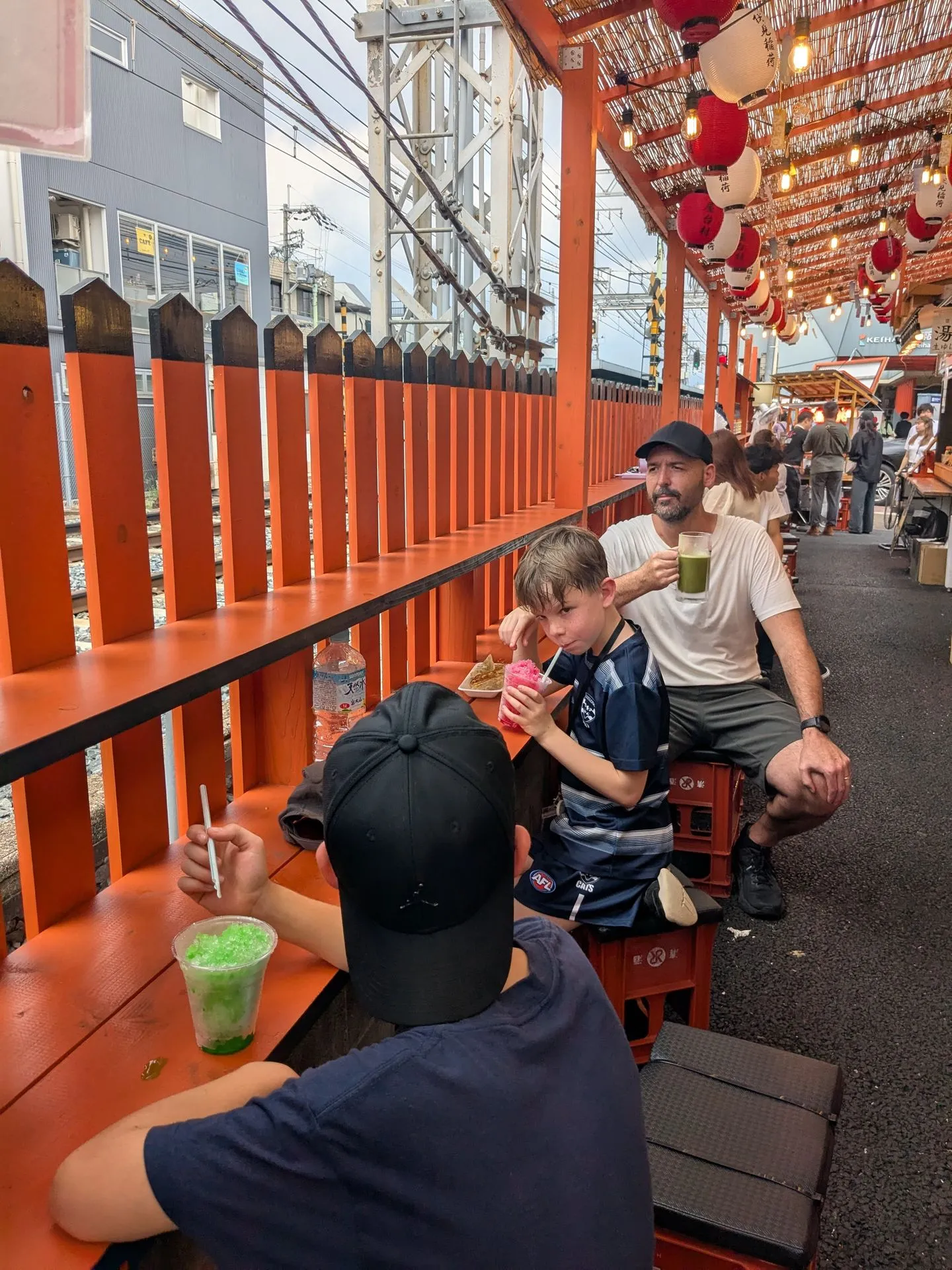
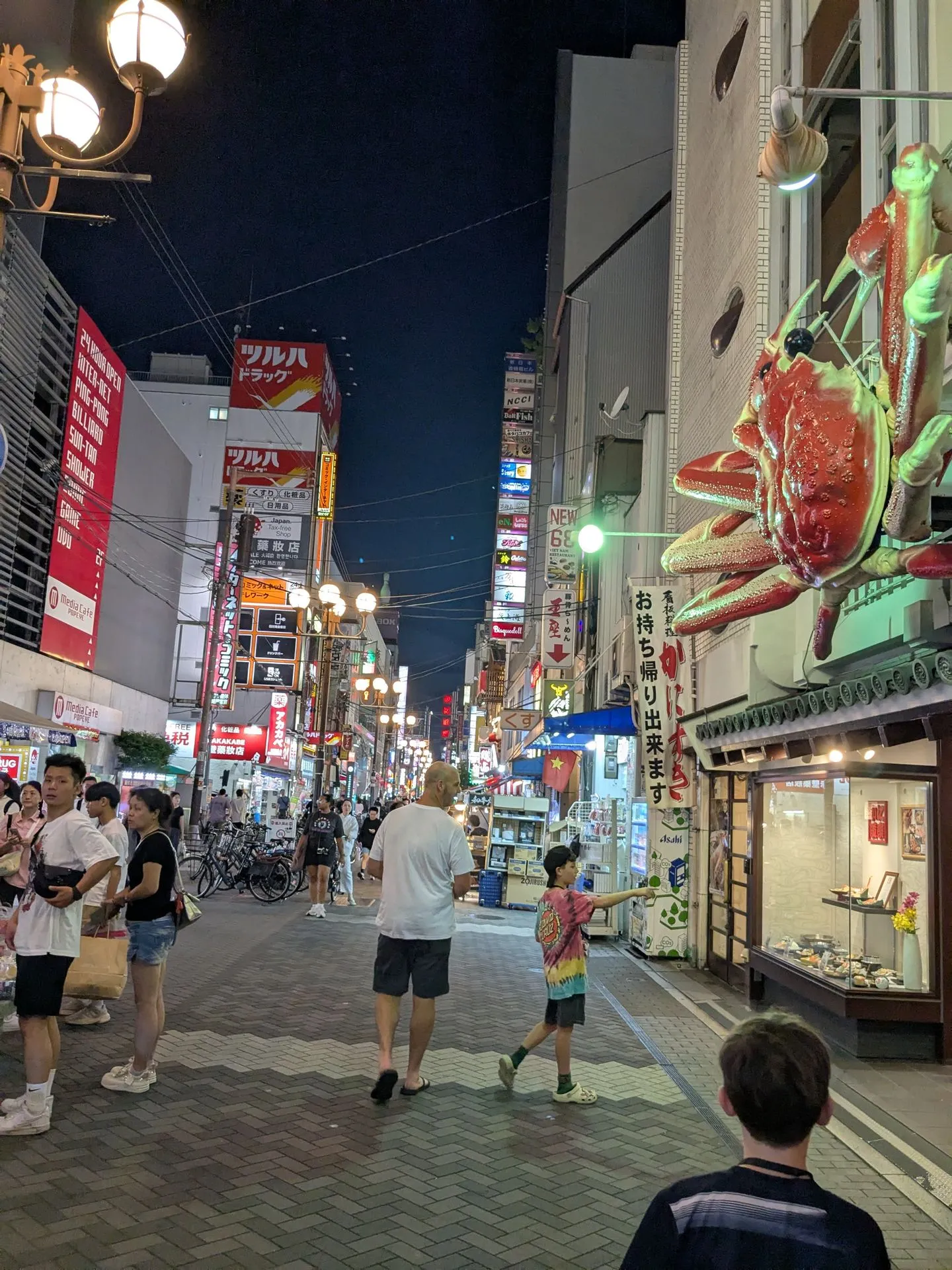
- Takoyaki, crepes, taiyaki and shaved ice make markets and food streets the part the kids beg to go back to.
- You can order with zero Japanese
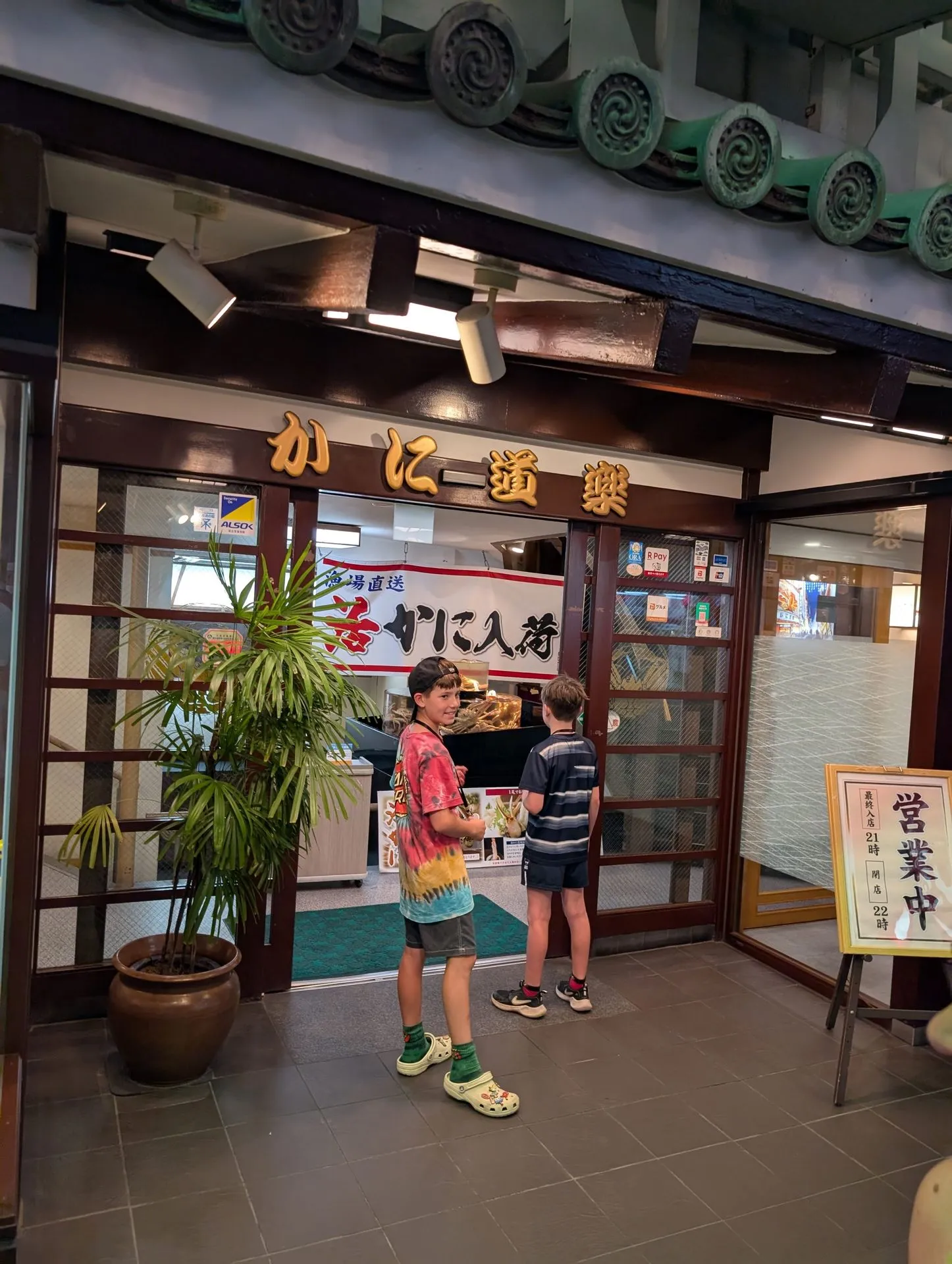
- Plastic food models, picture menus and ticket machines mean pointing works fine.
The dishes that never failed.
Every kid has a short list of foods they will reliably eat. In Japan that list got longer by the day. These are the meals we came back to again and again.
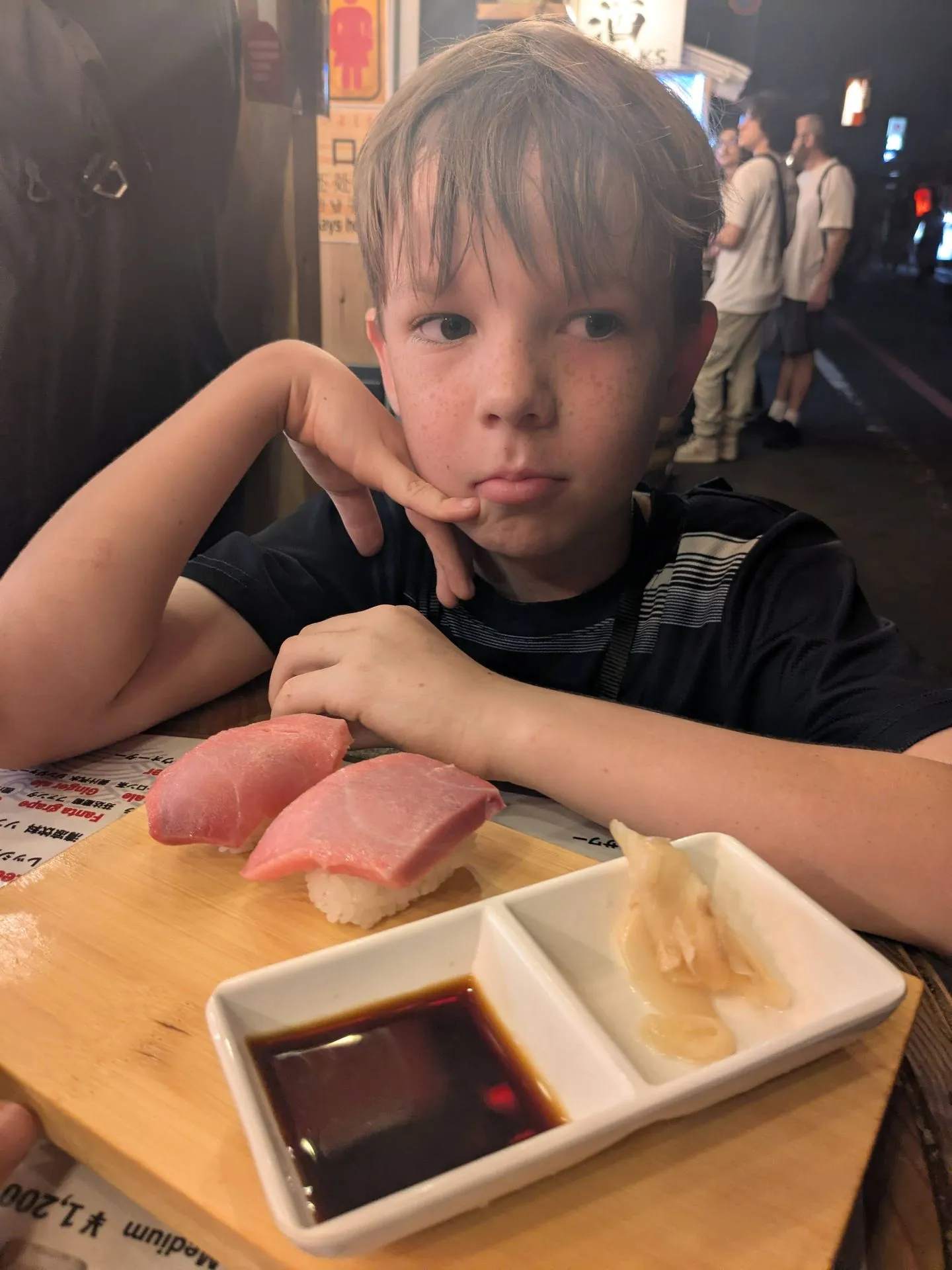
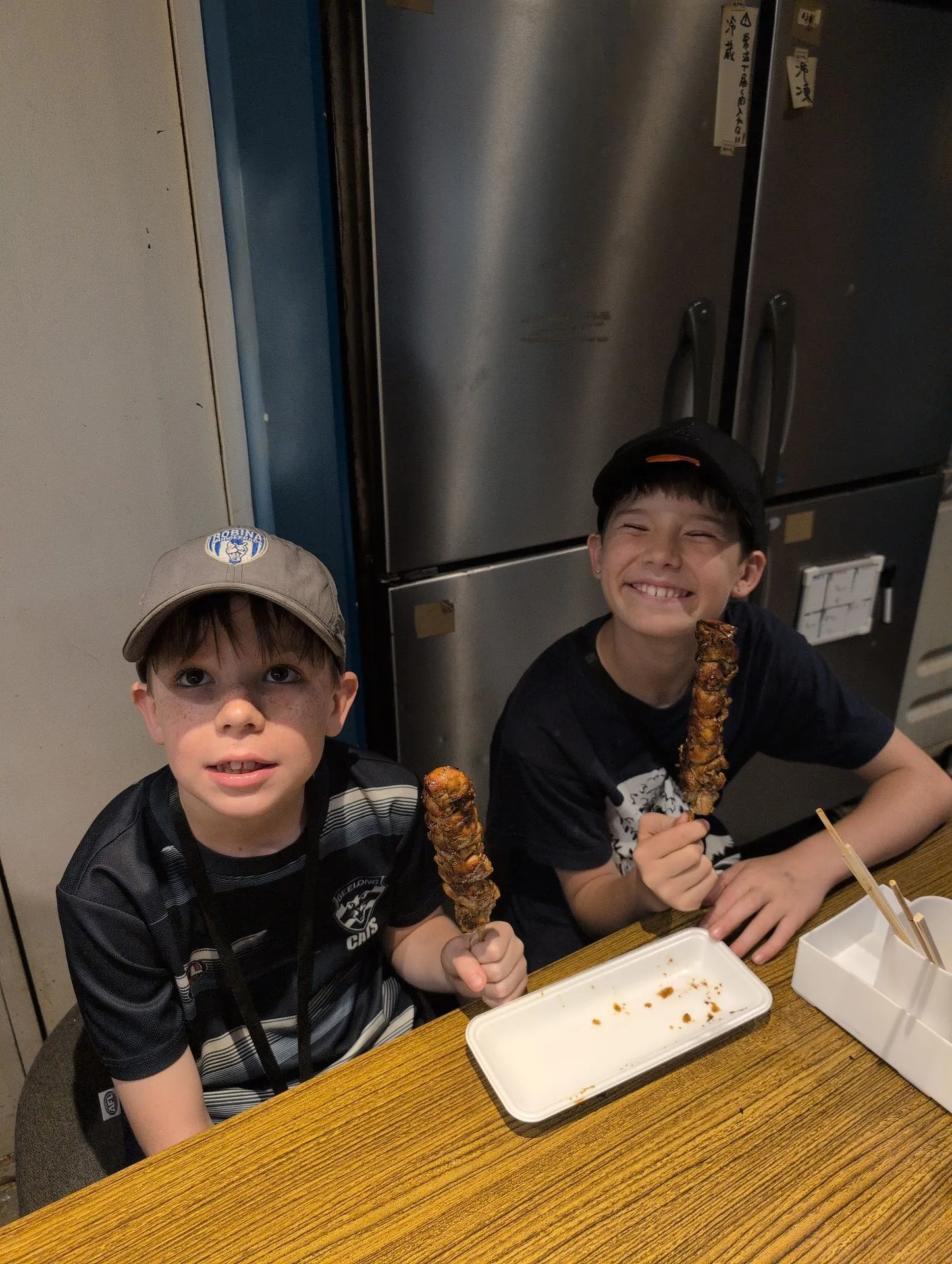
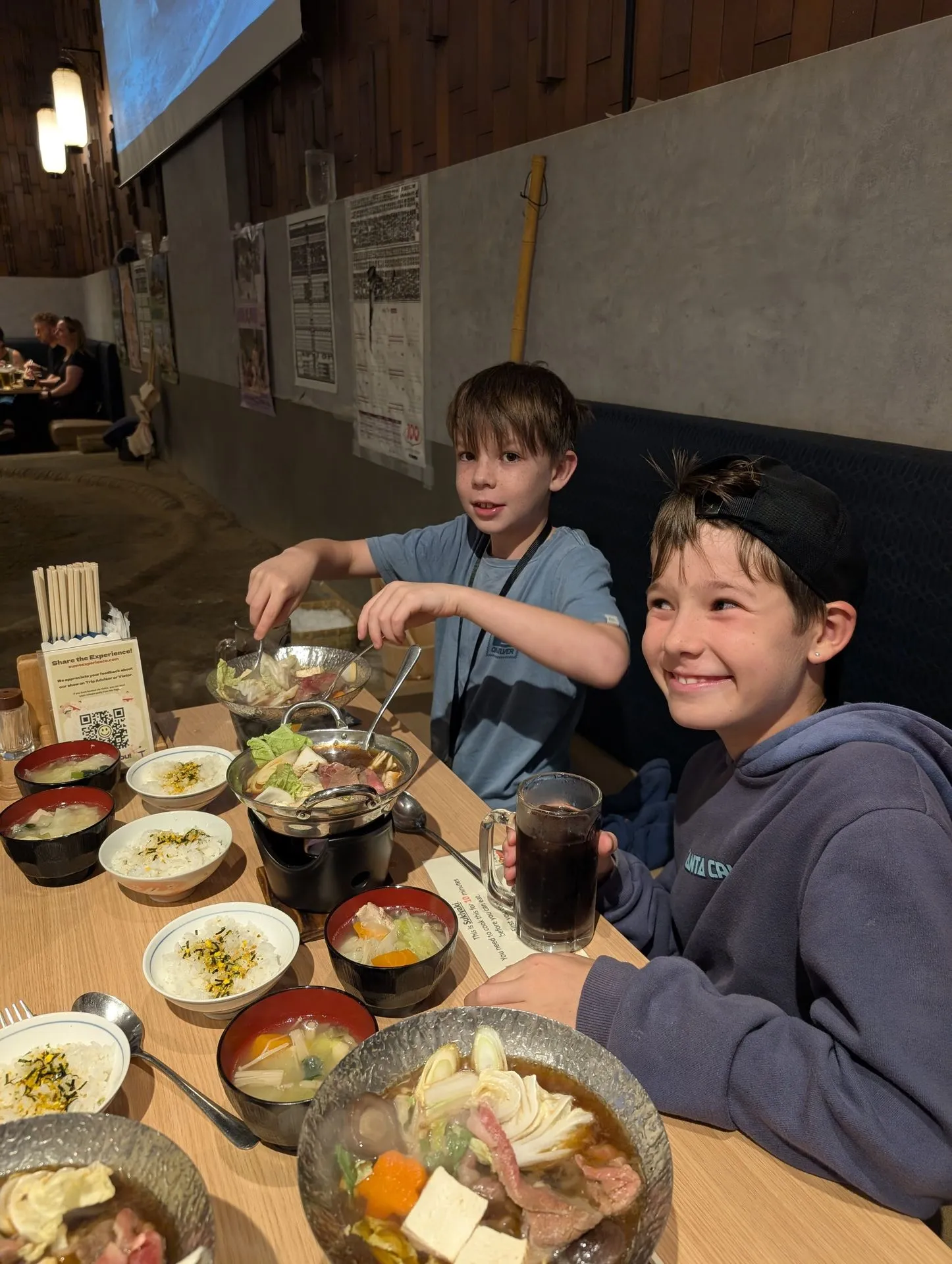
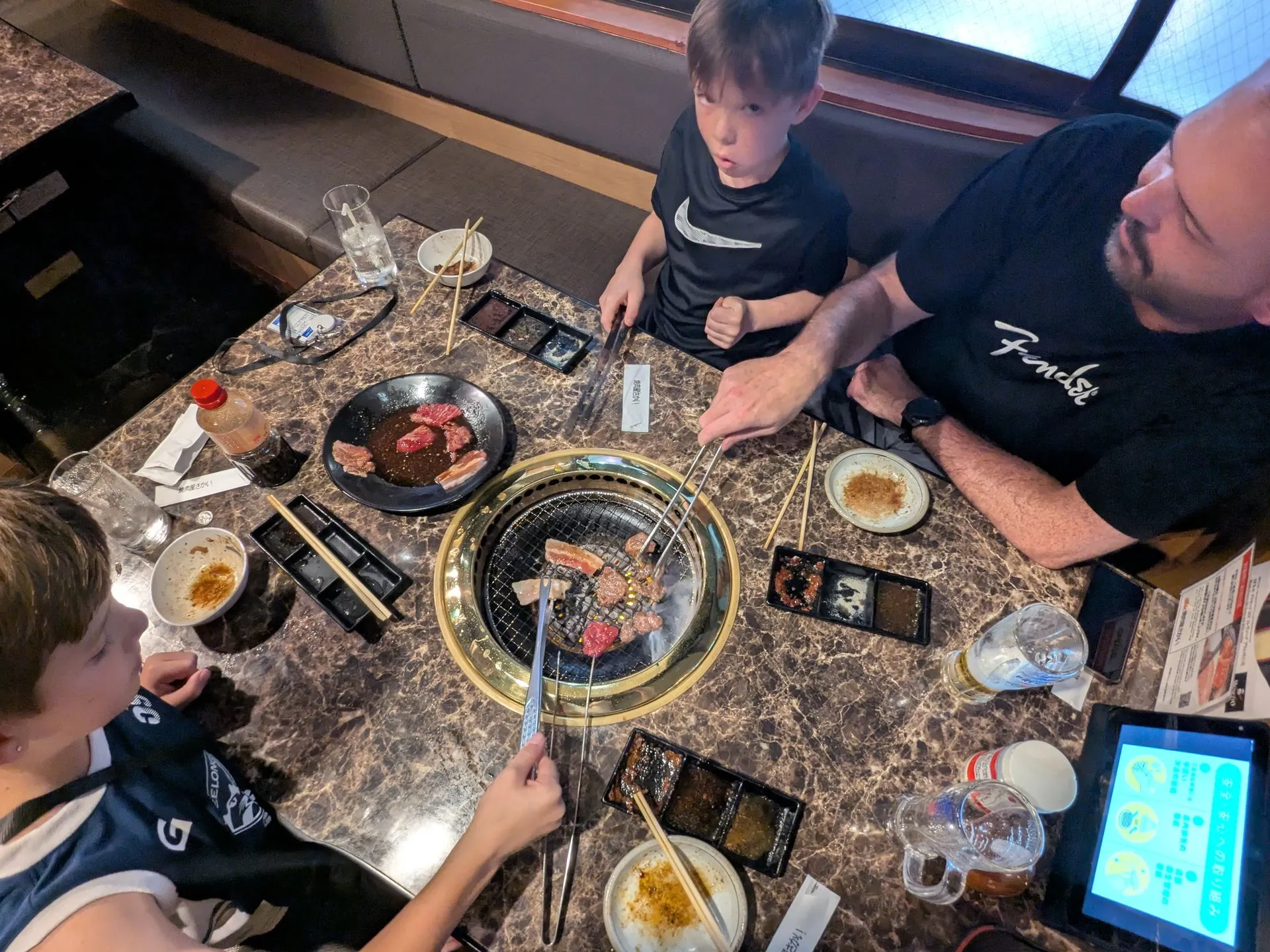
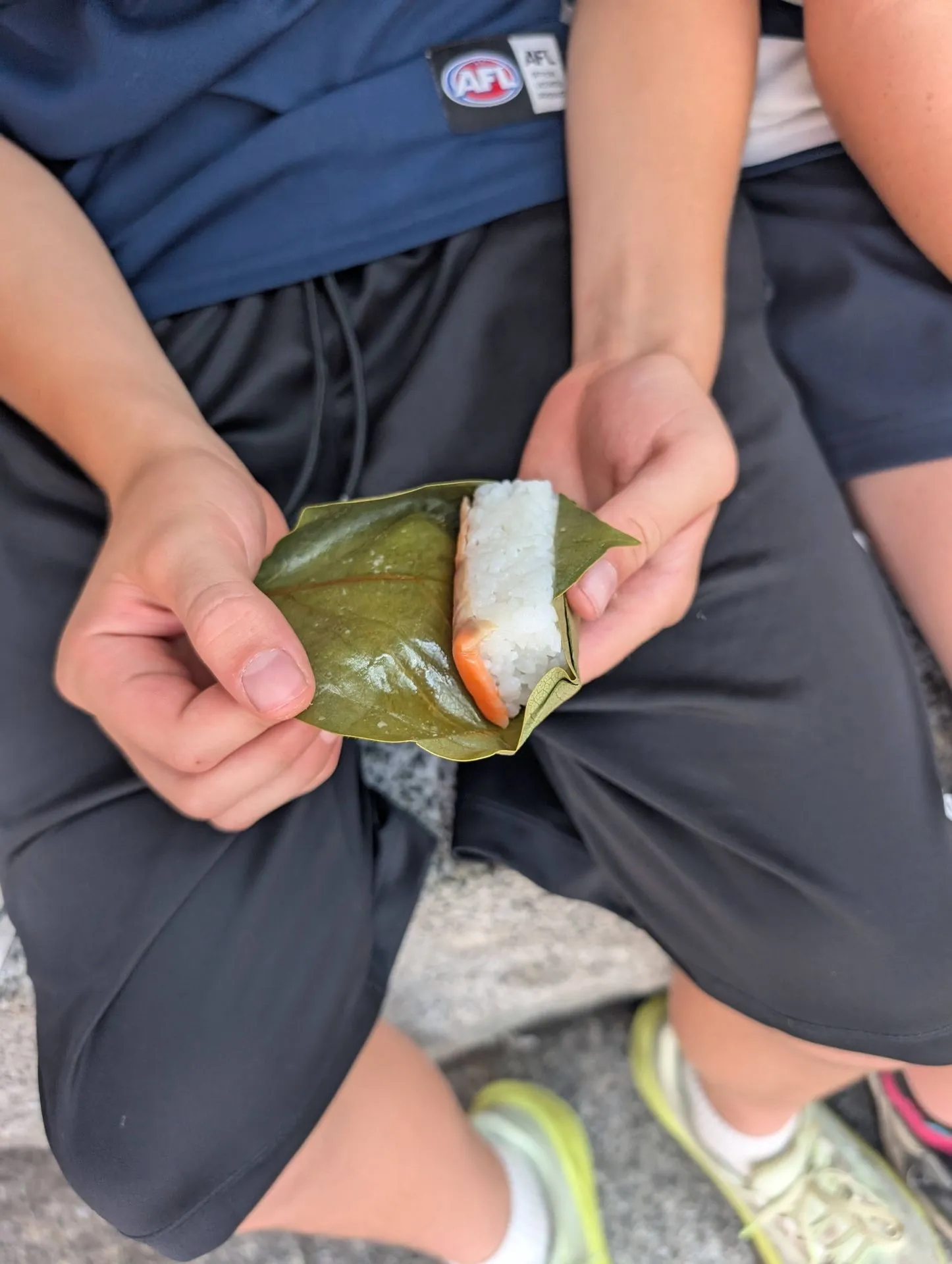
The part the boys loved.
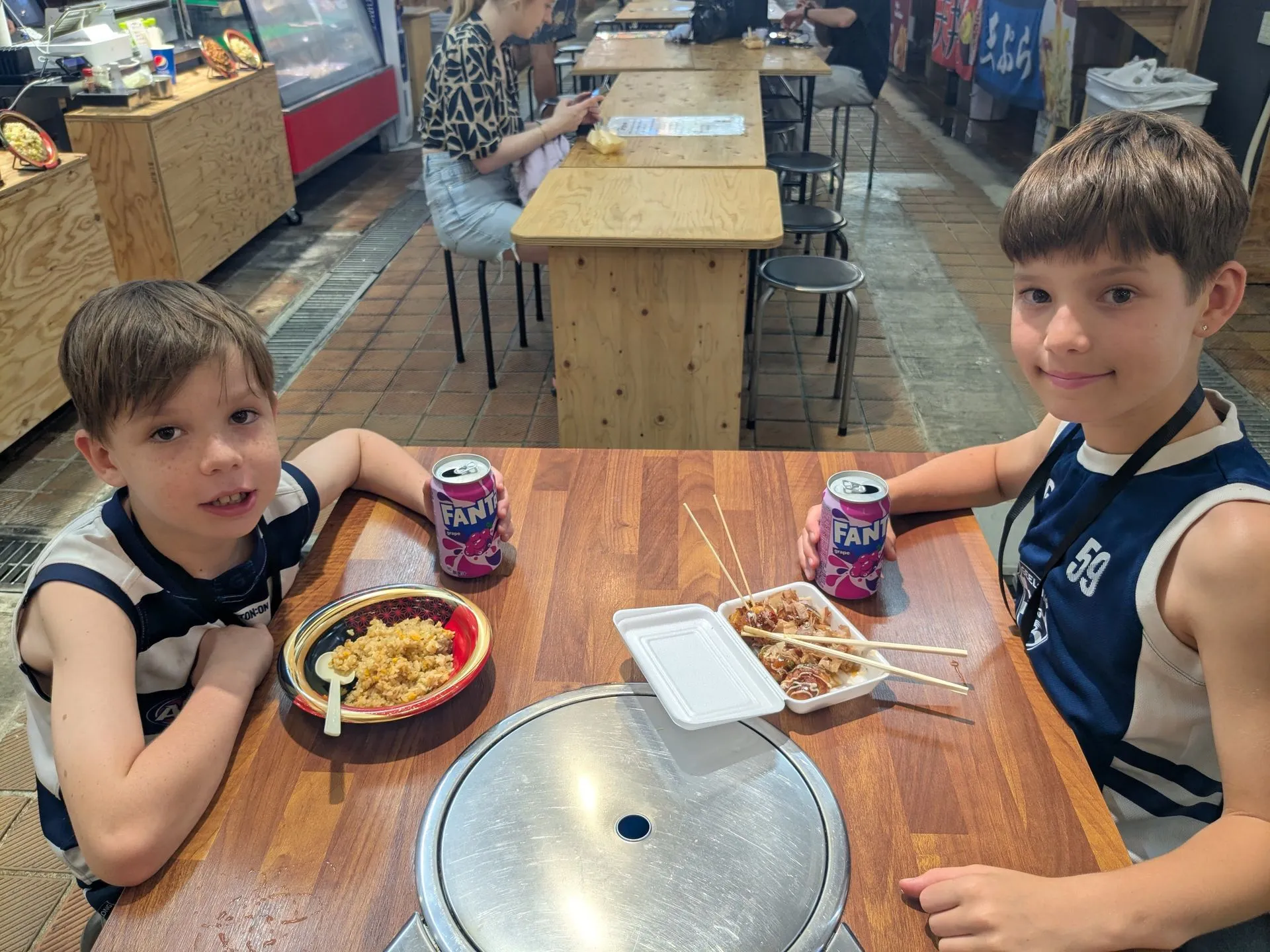
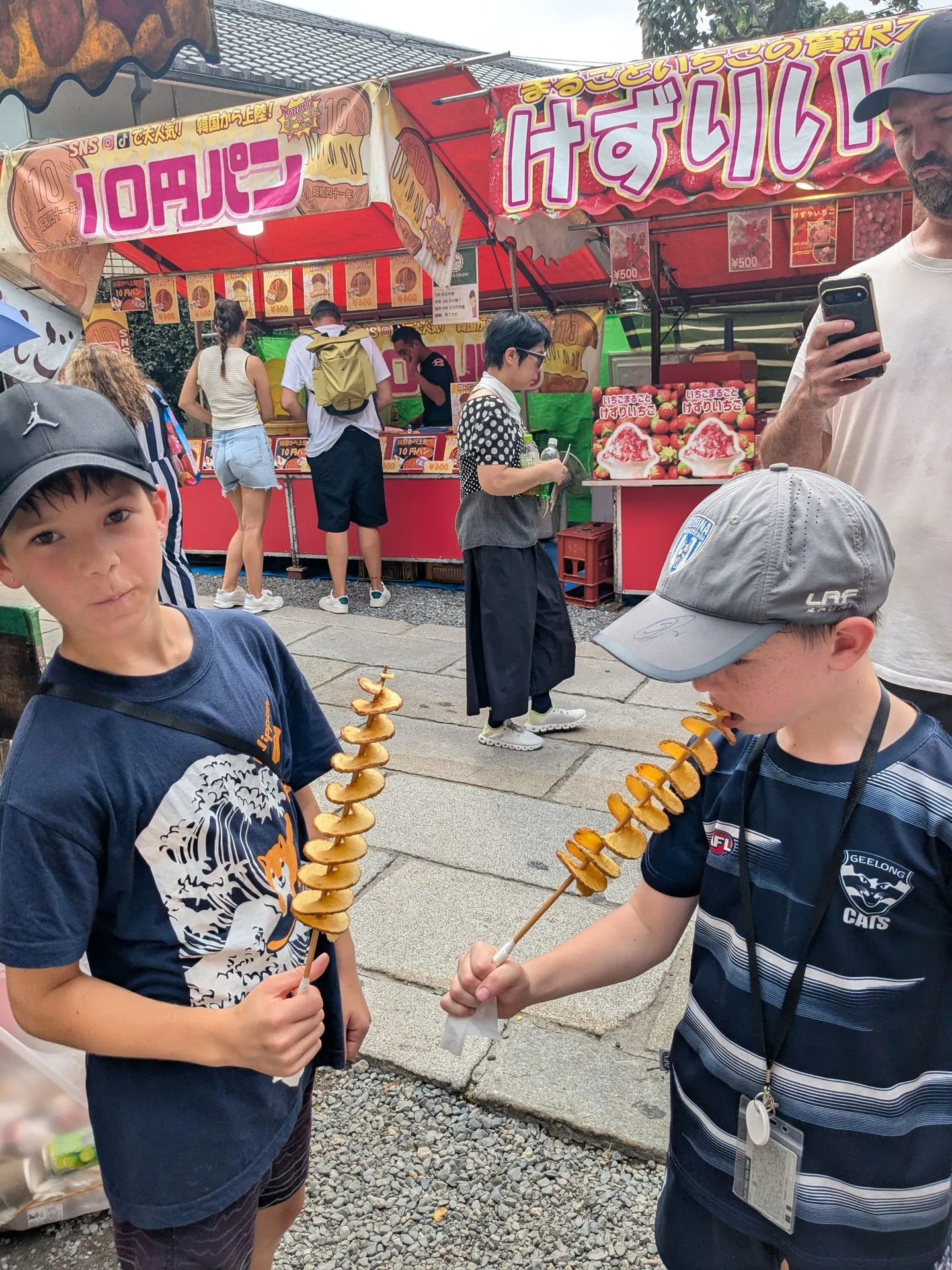
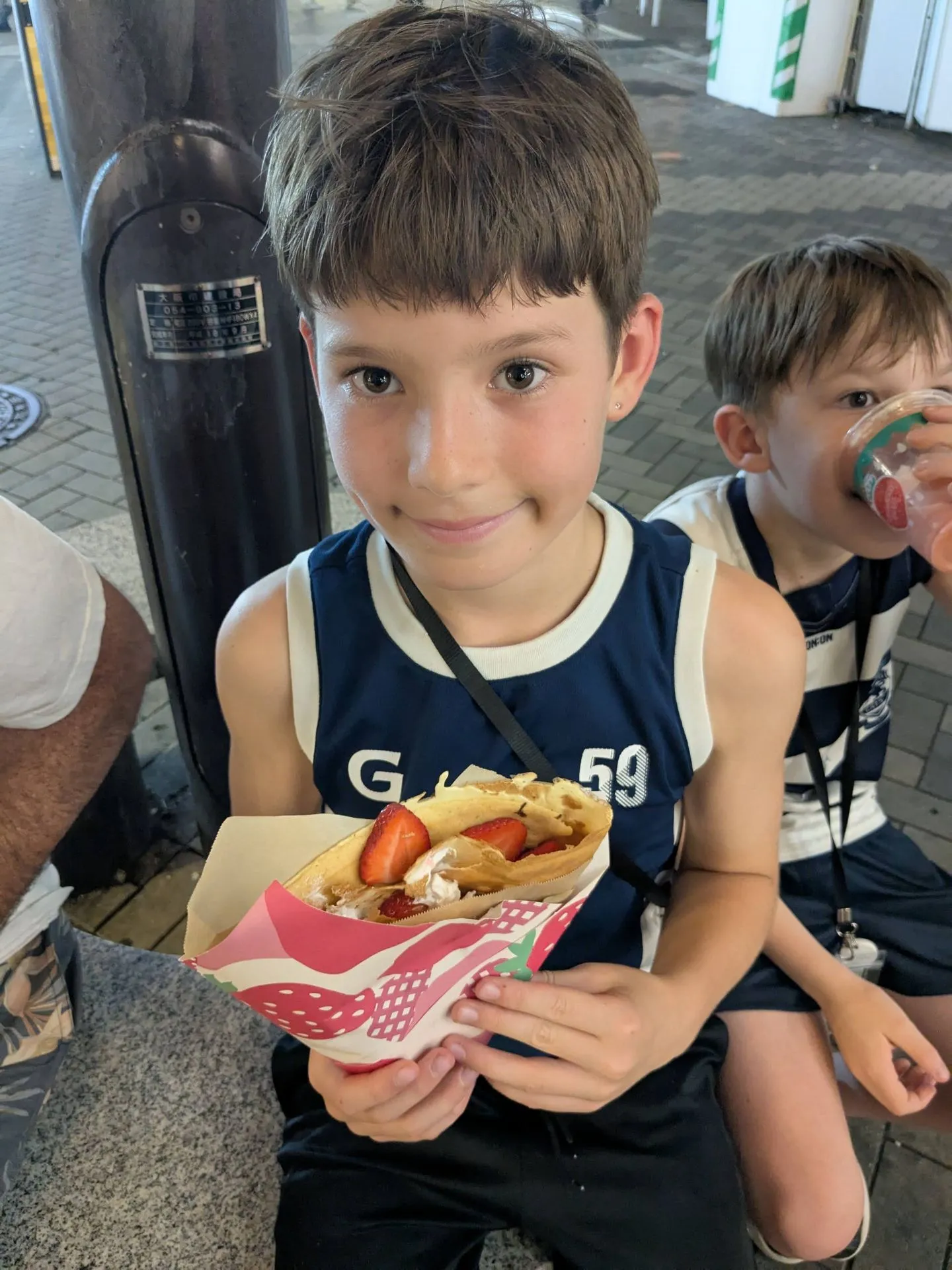
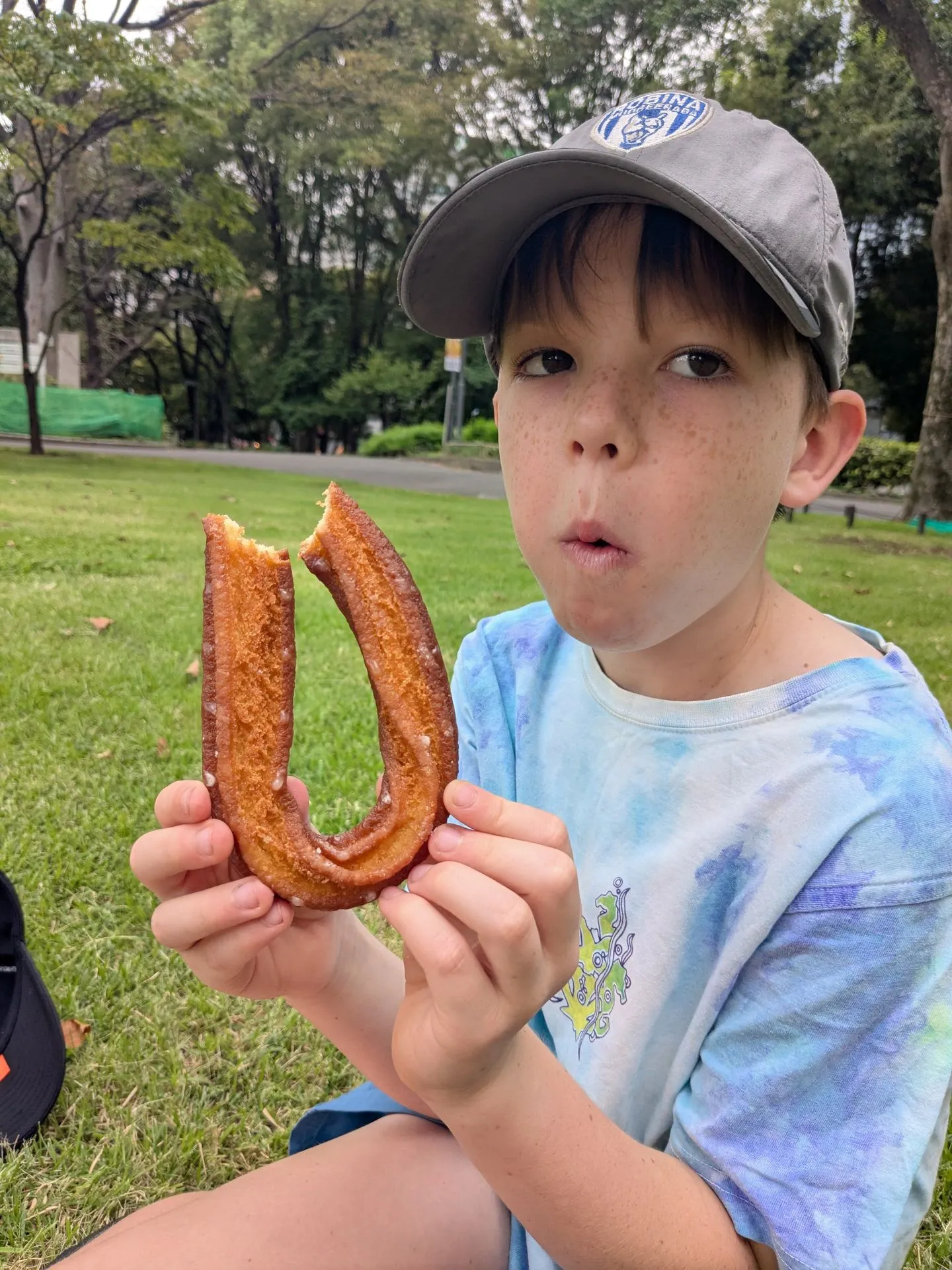
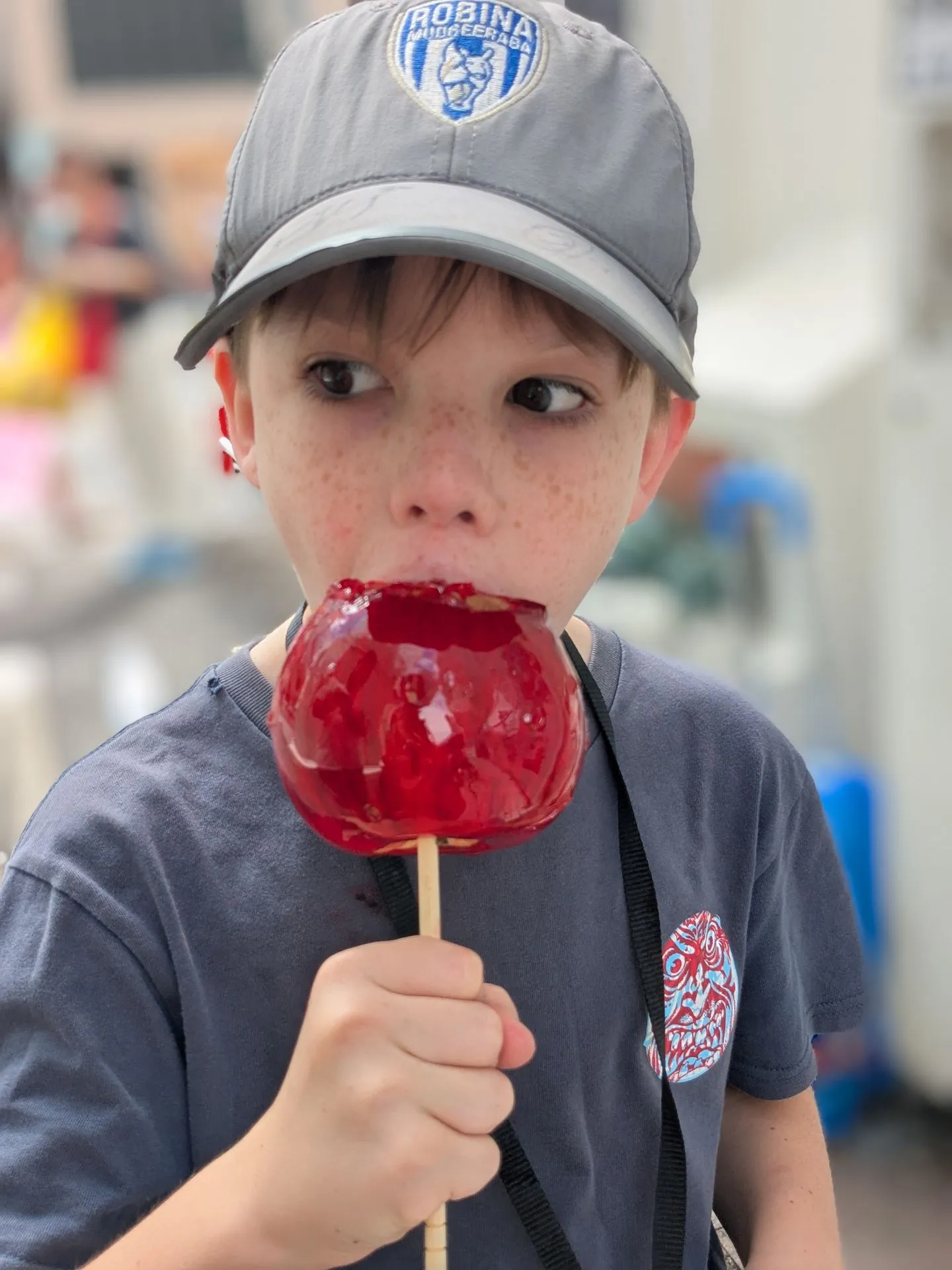
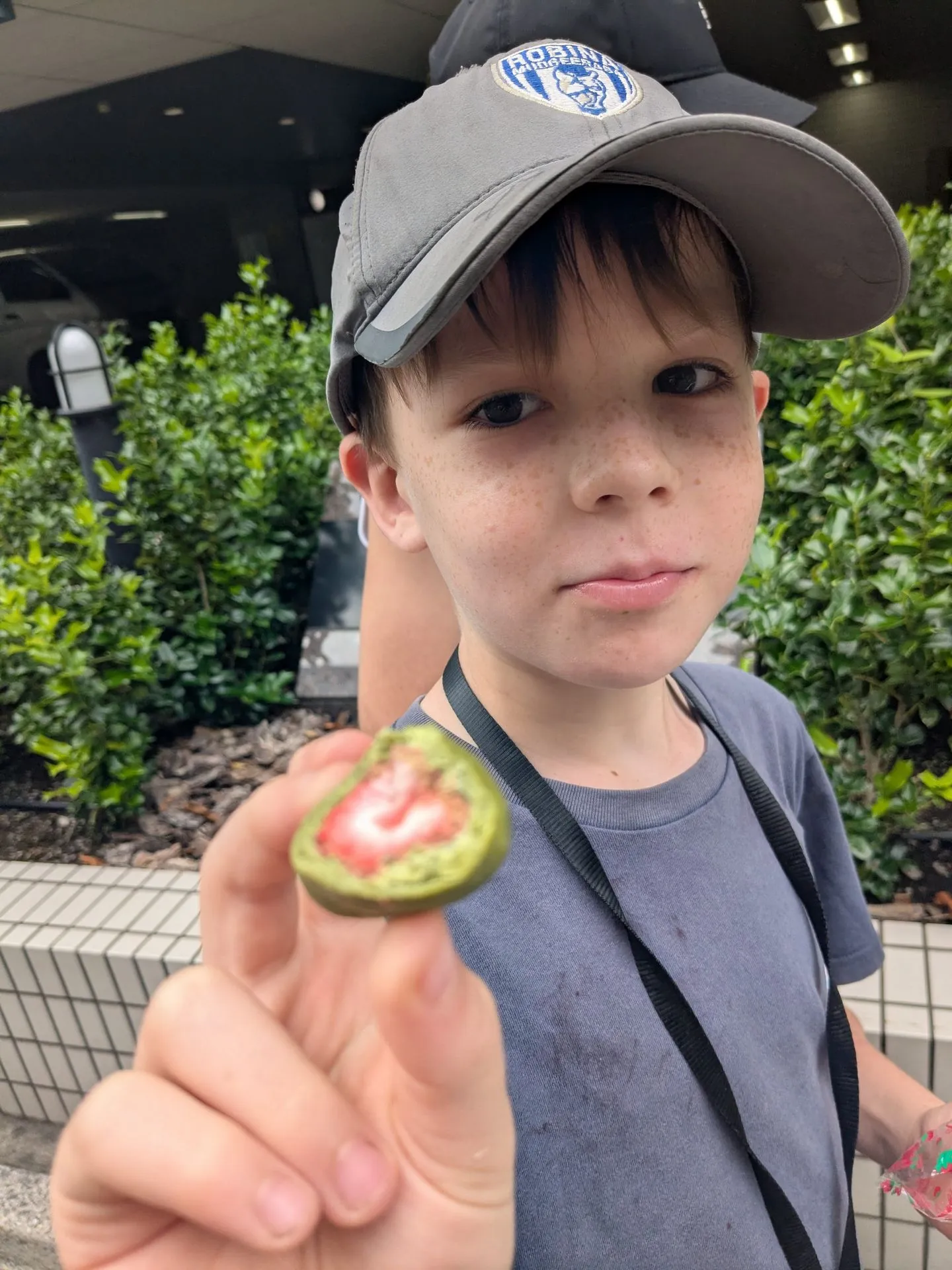
Forget the temples for a second. Takoyaki, crepes and a potato cut into a spiral on a stick all made the cut. Street food turns a long sightseeing day into their favourite part of it.
The konbini is your secret weapon.
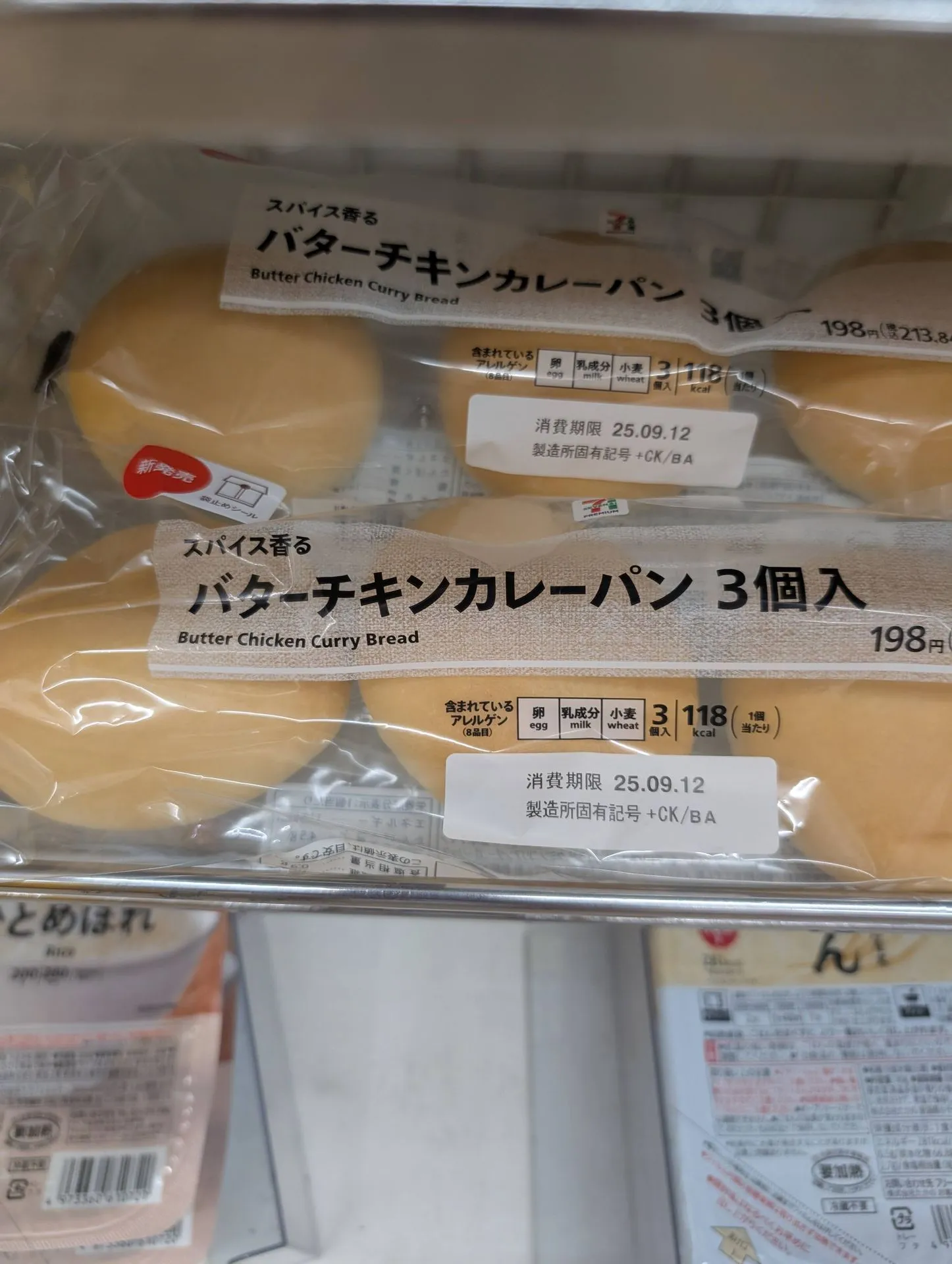
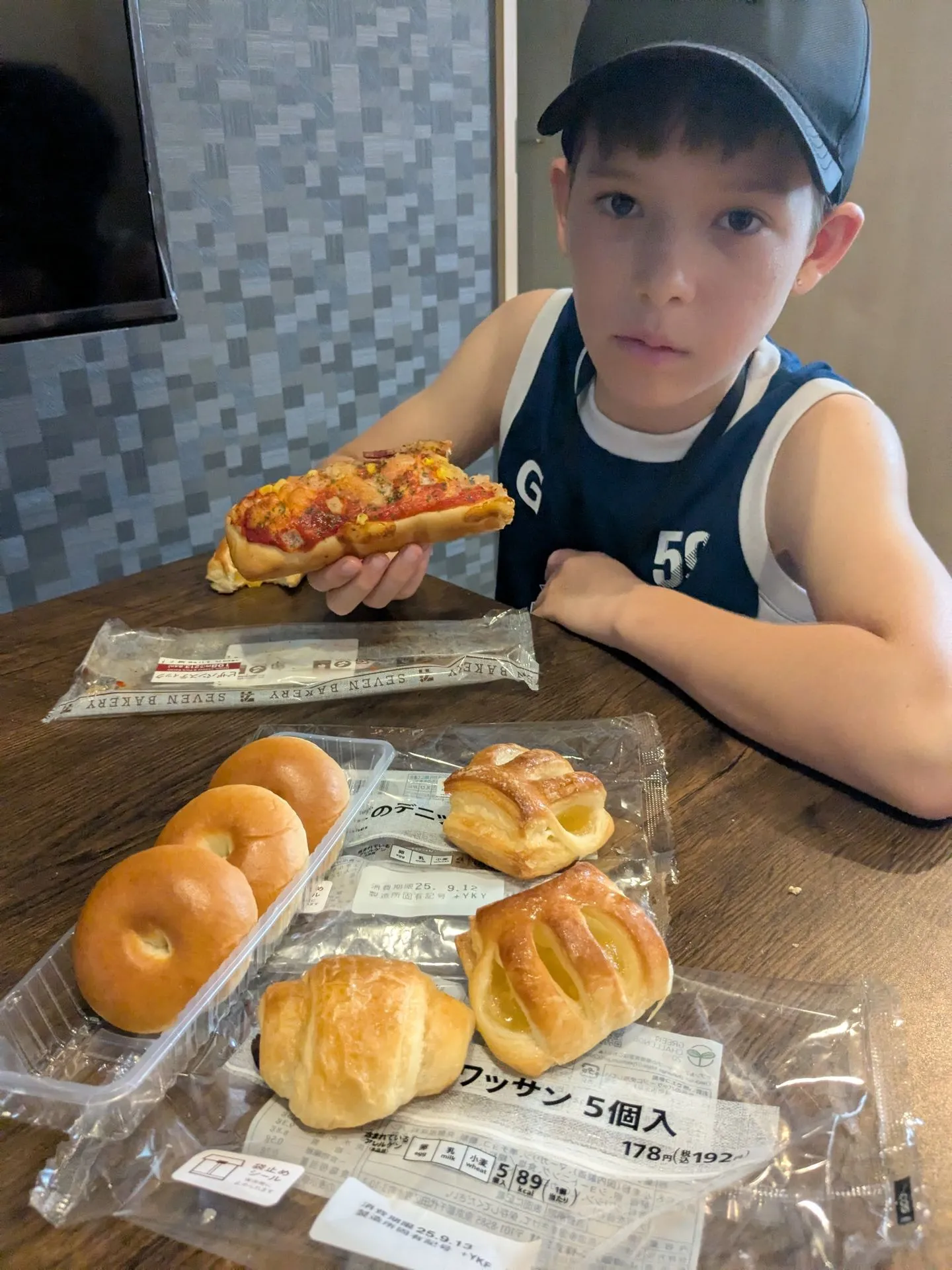
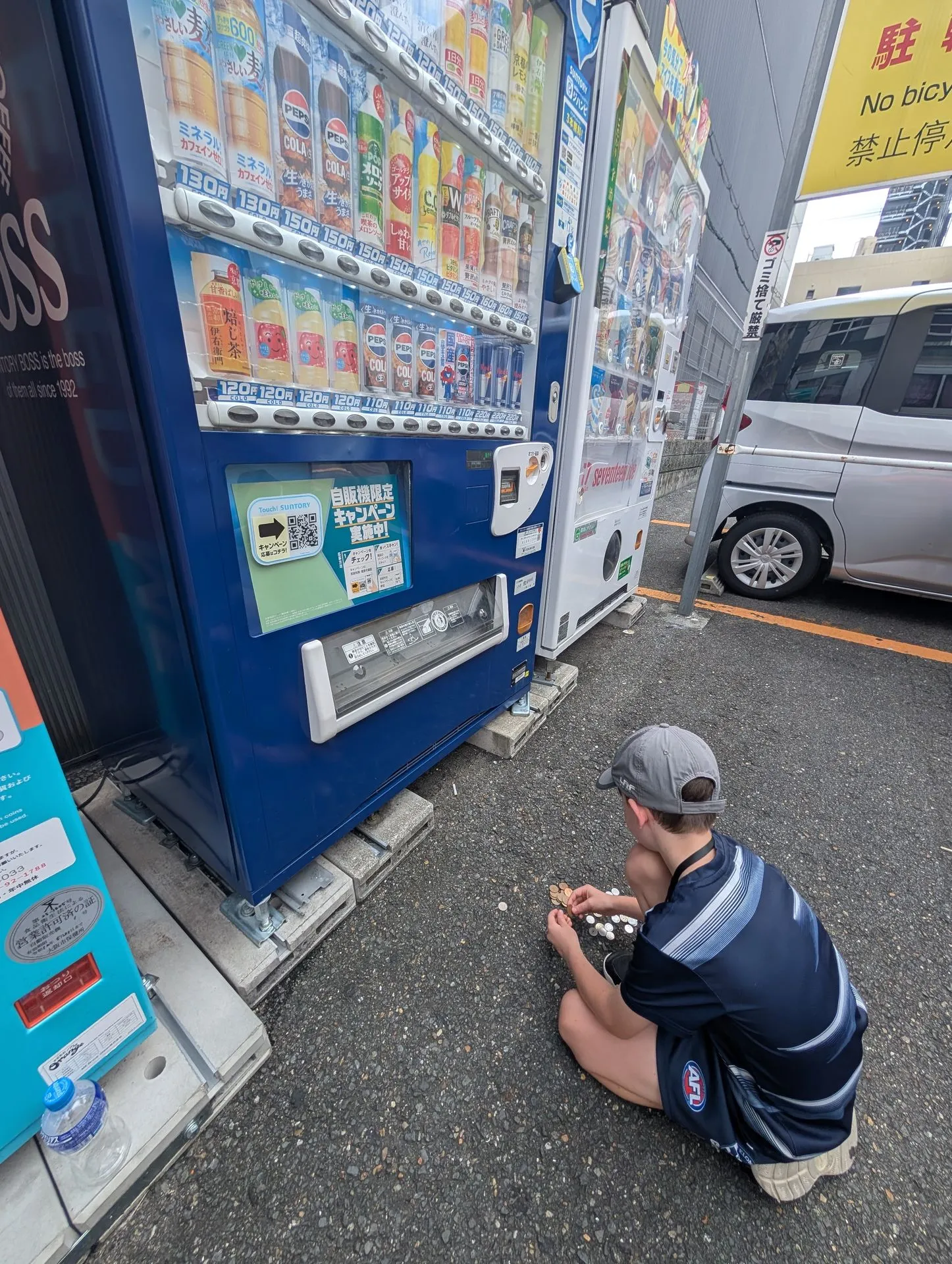
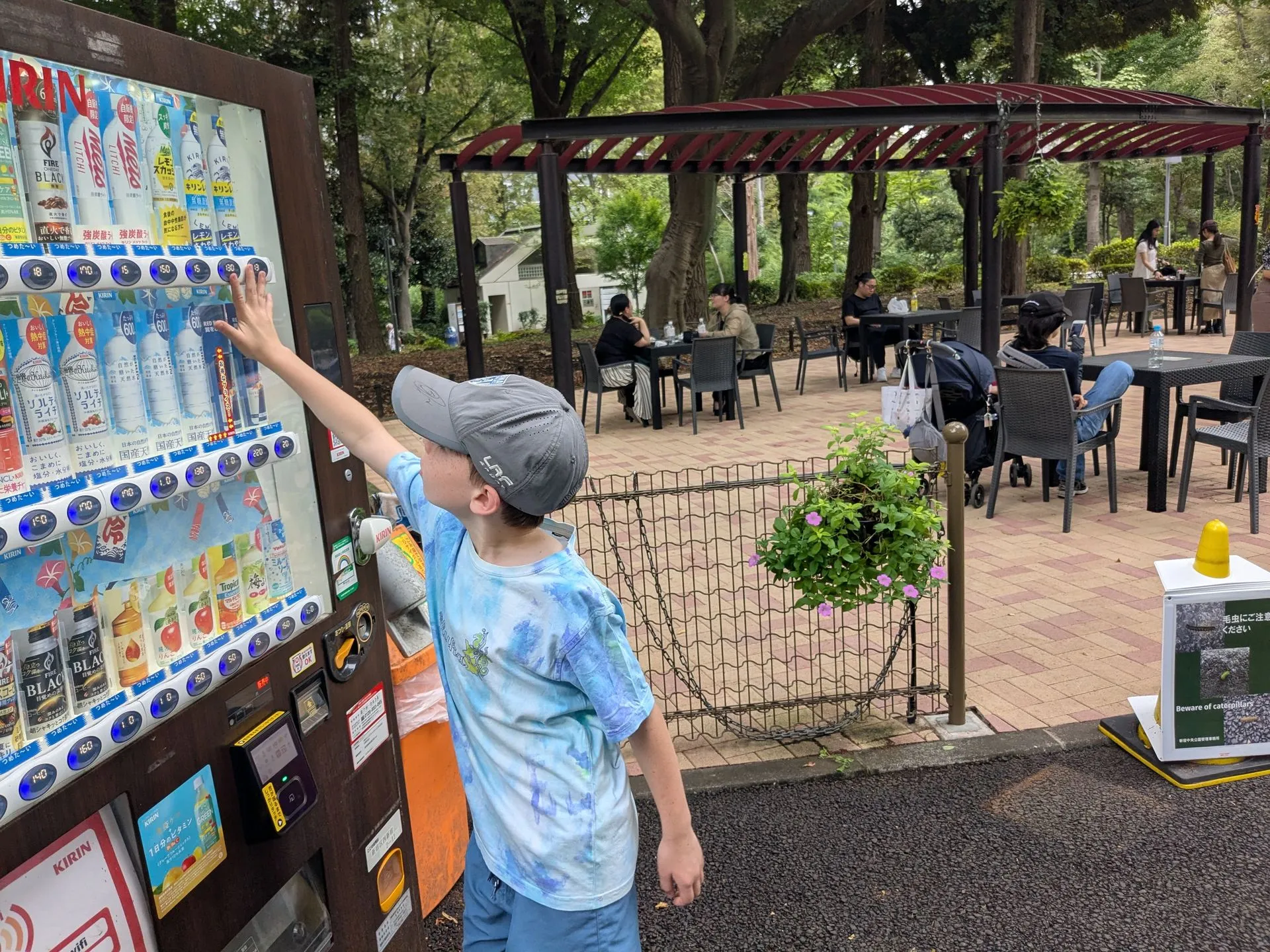
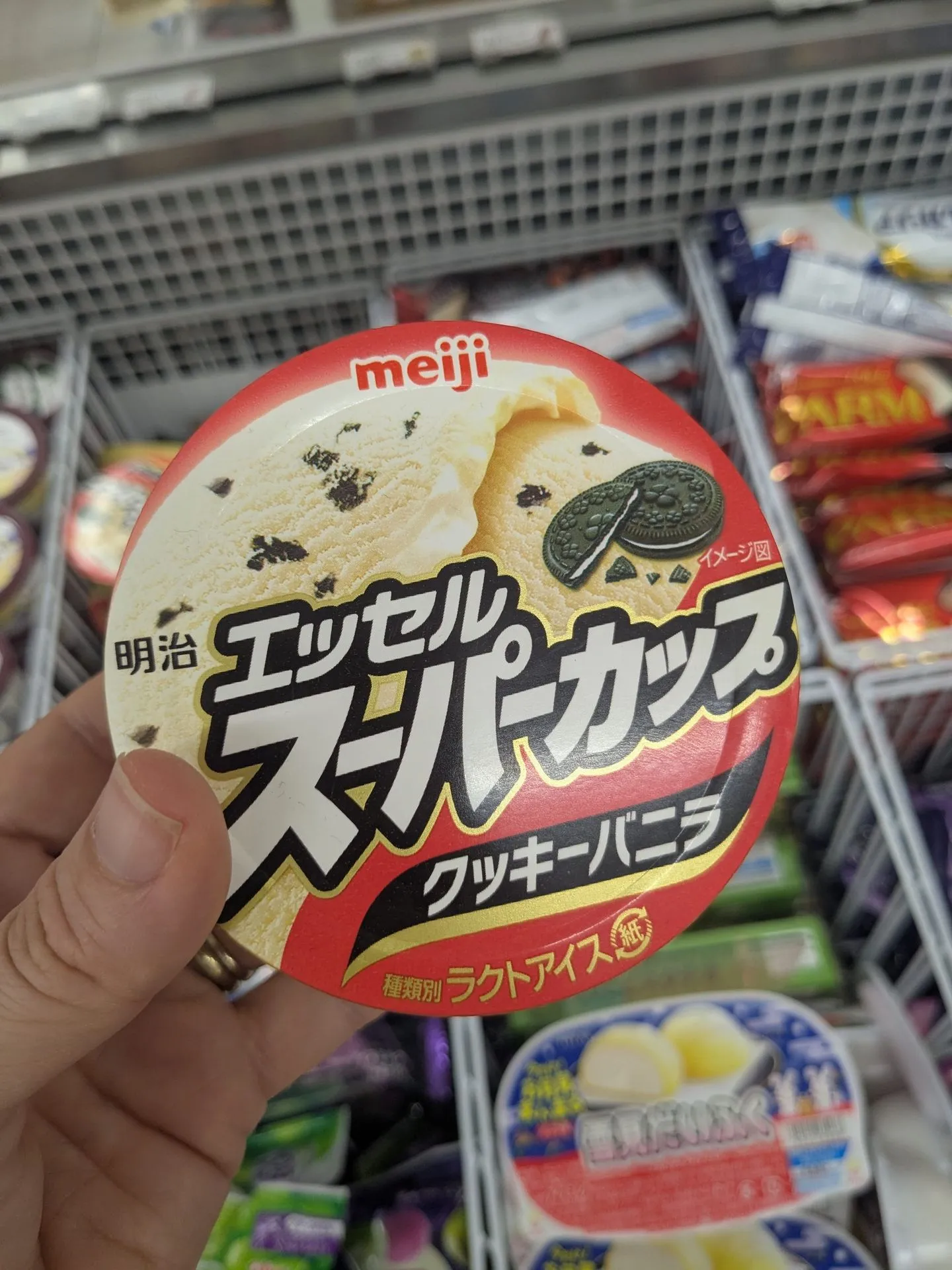
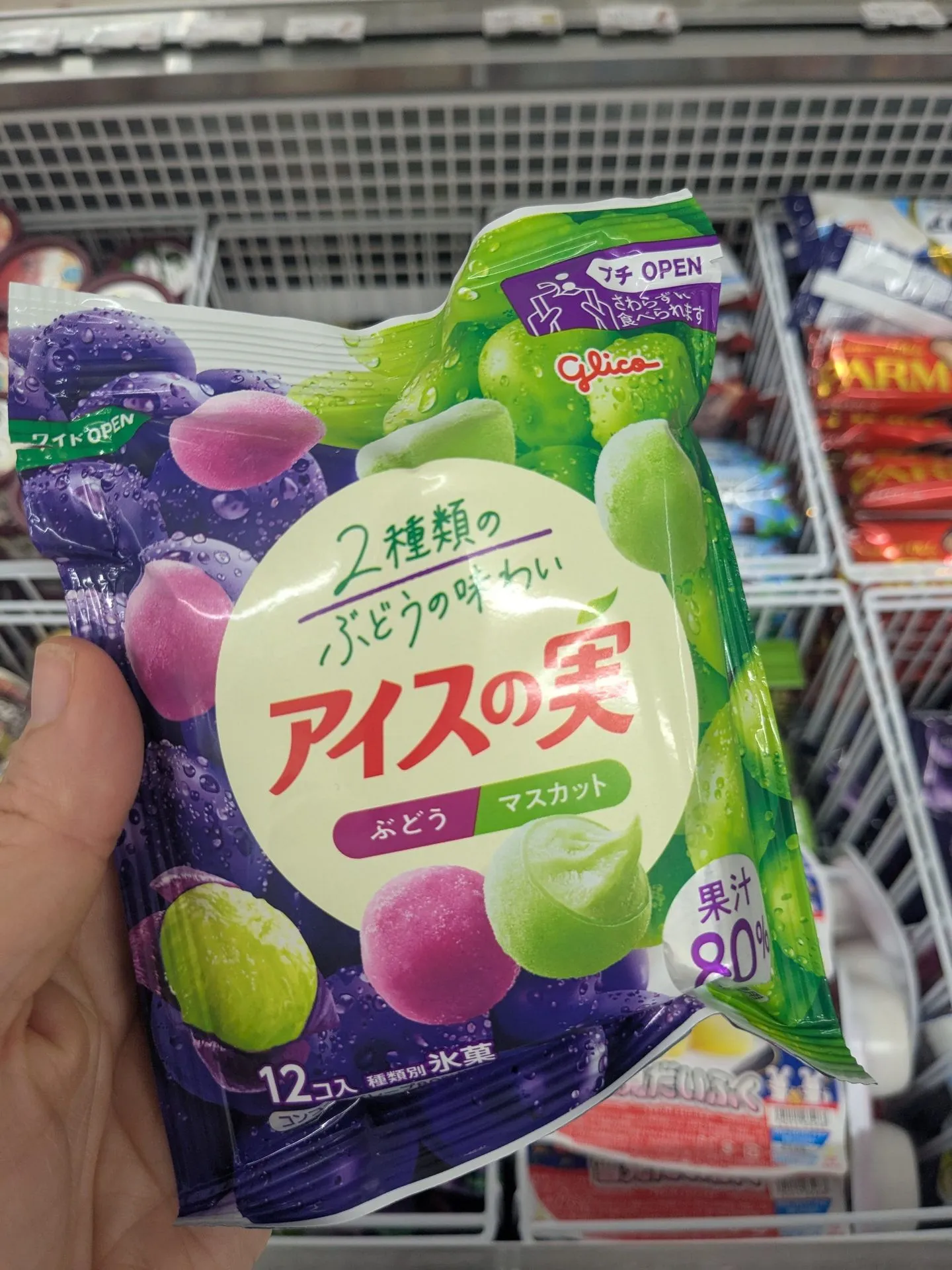
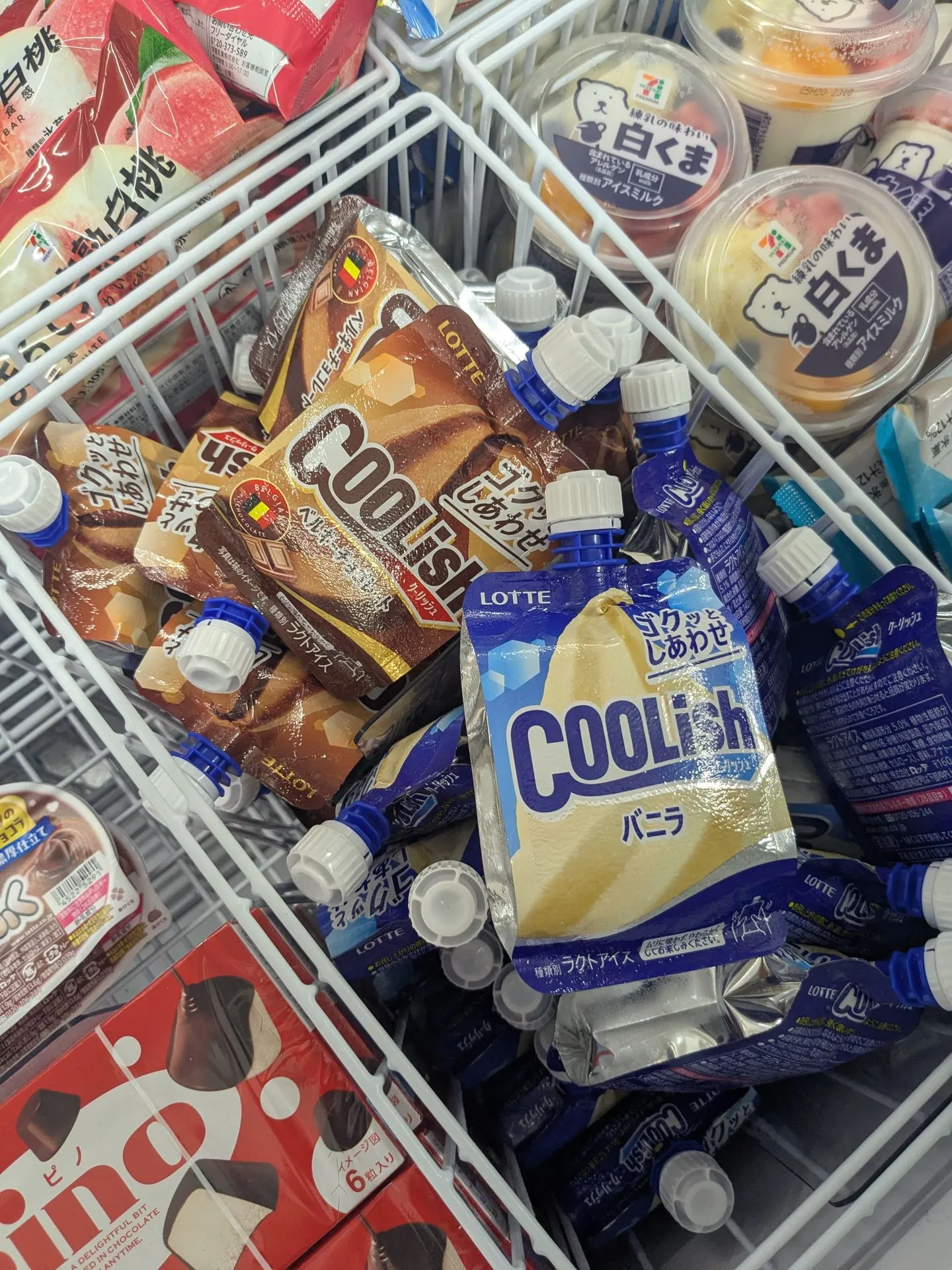
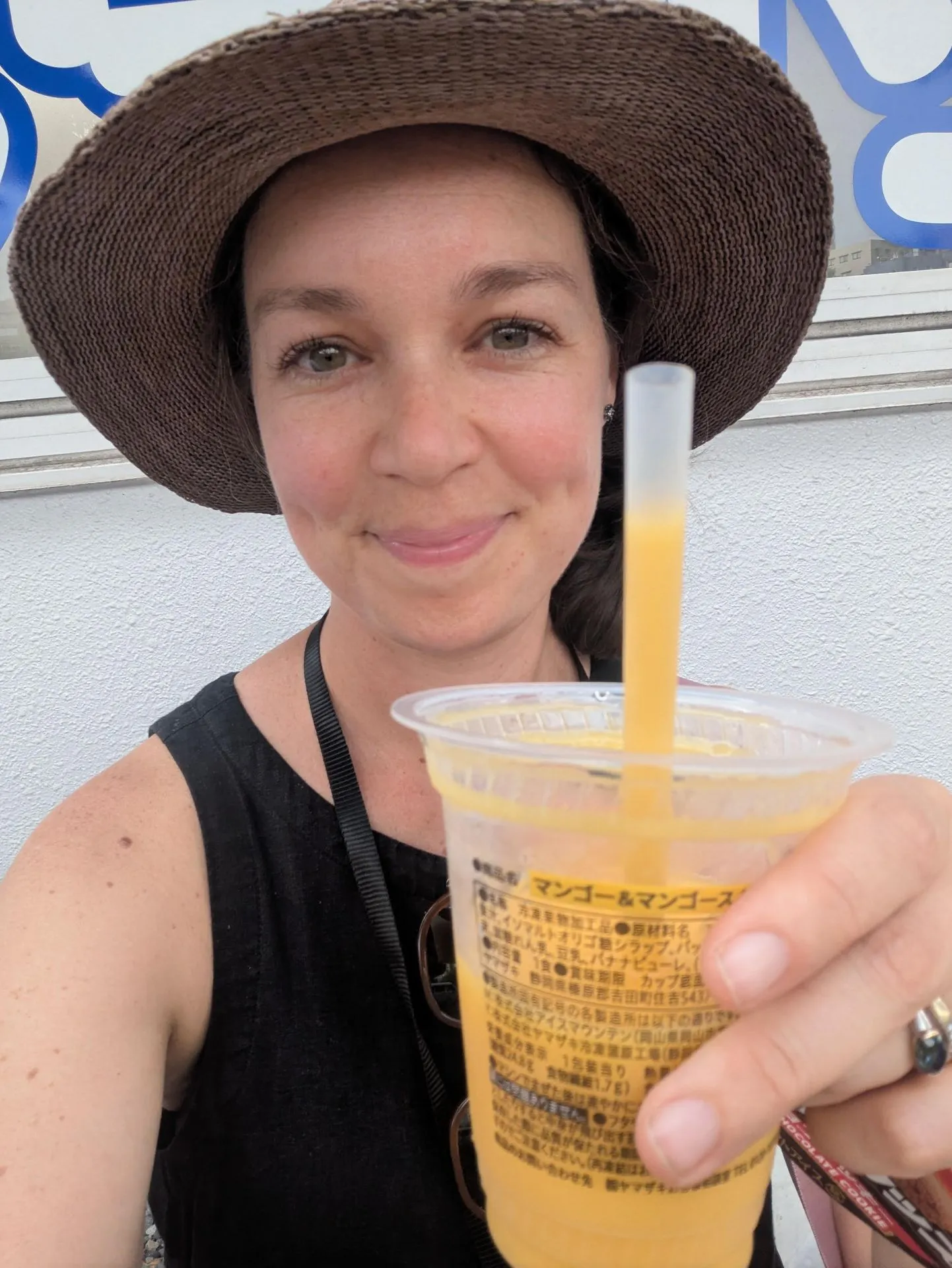
7-Eleven, FamilyMart and Lawson are nothing like the servo back home. Fresh onigiri, hot snacks, proper bakeries, and ice cream worth planning around. On a fussy day a reliable backup is never more than fifty metres away, and the vending machines handle the thirsty gaps in between.
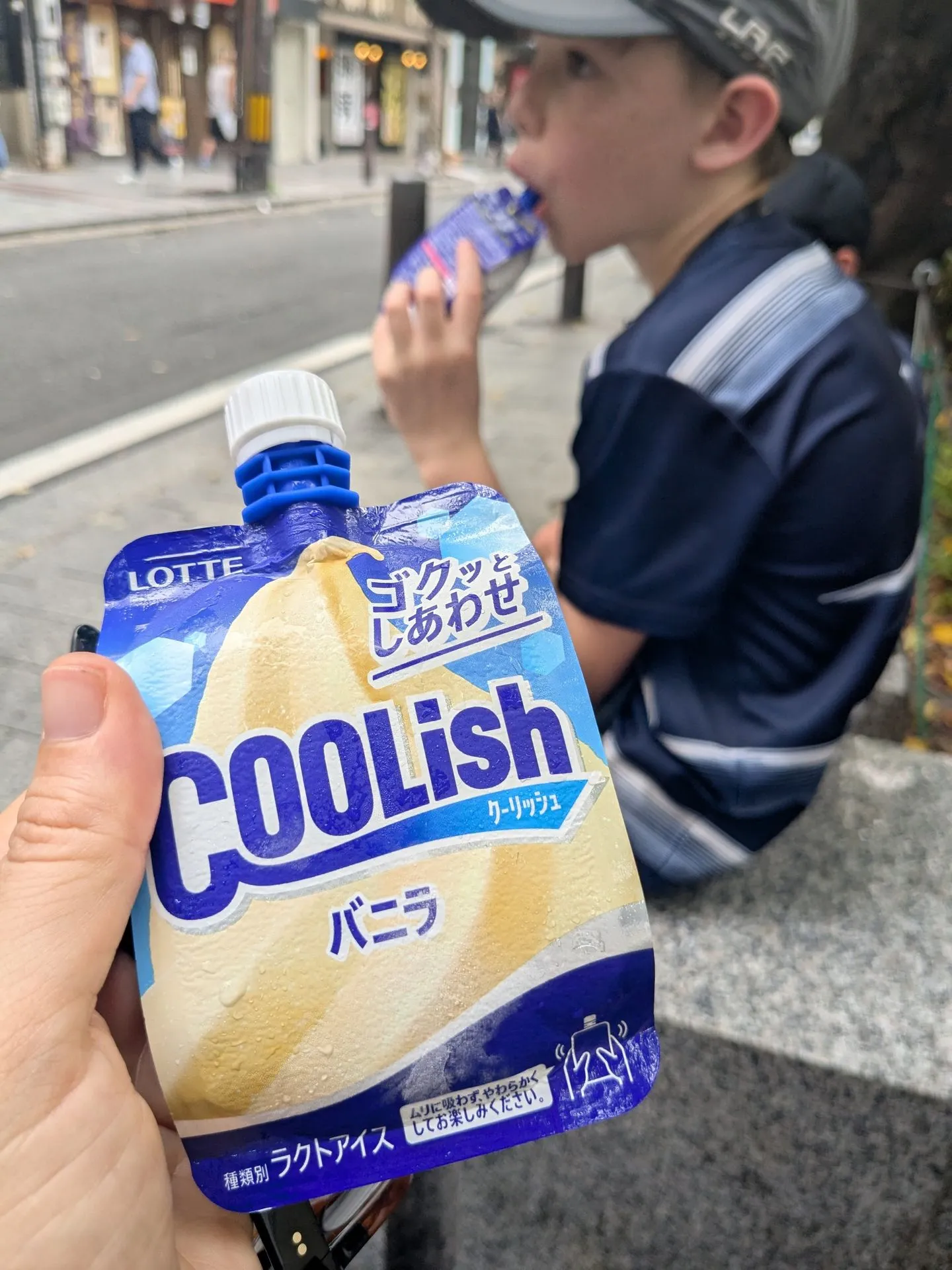
For the days they just want something they know.
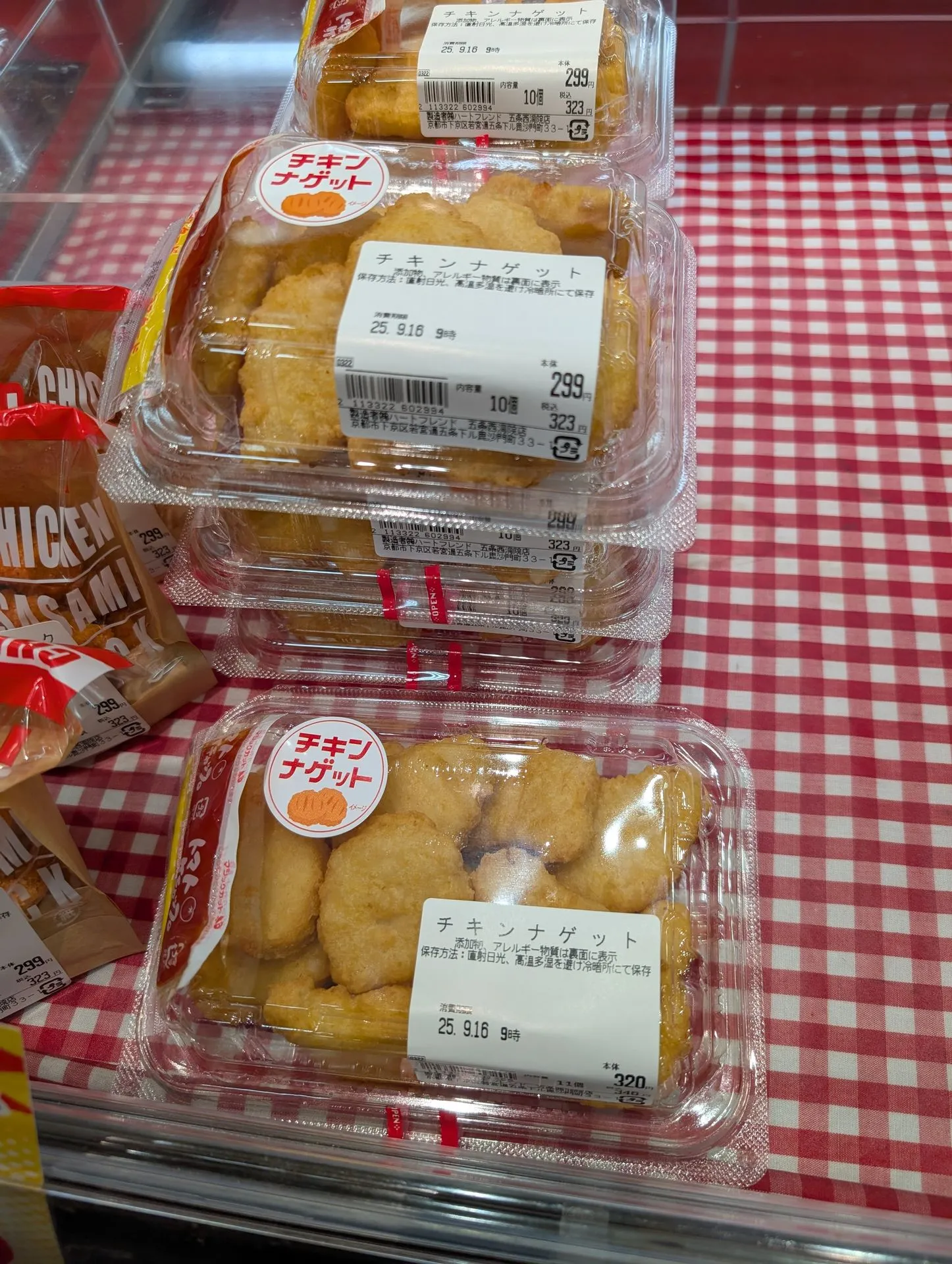
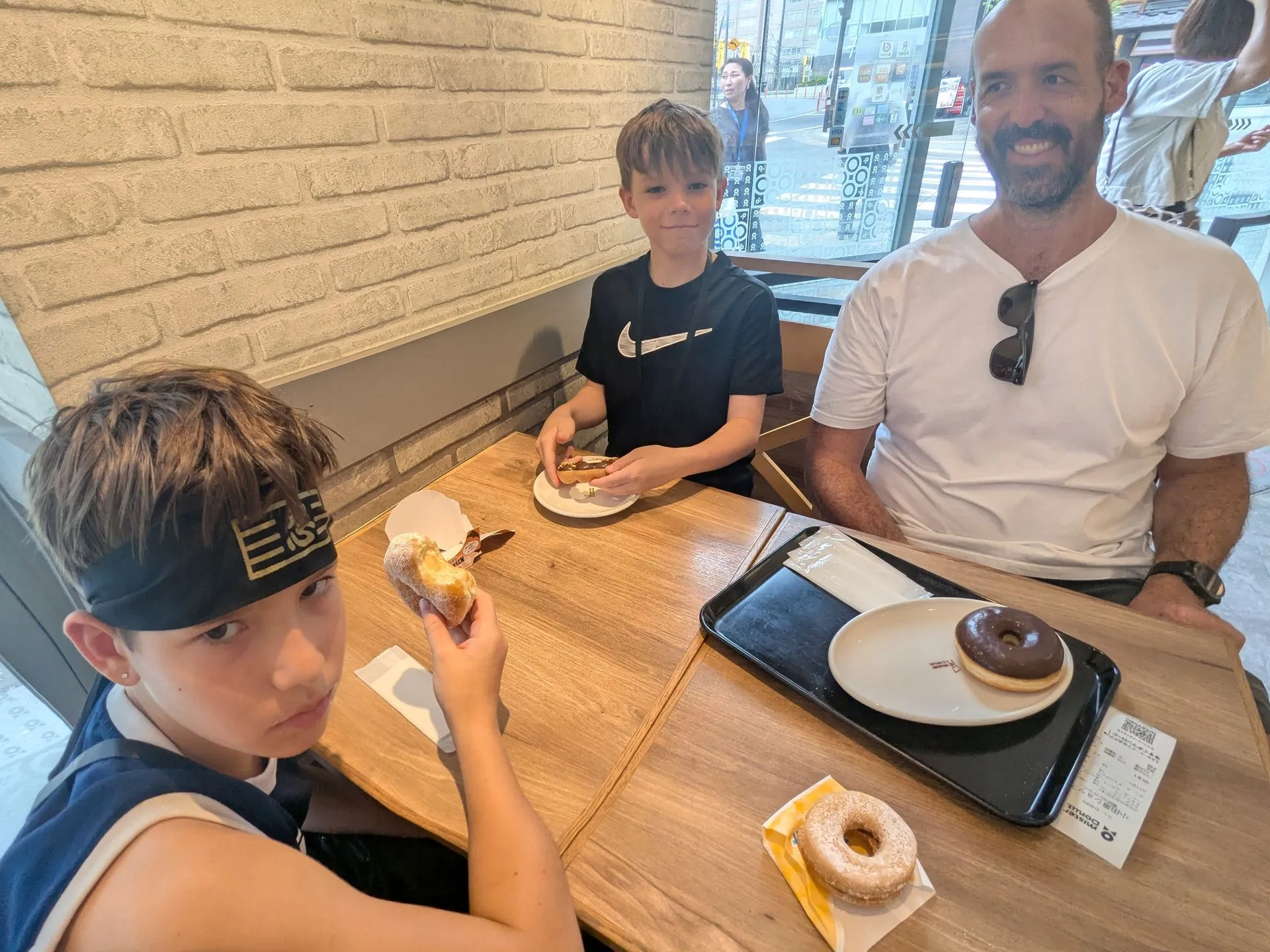
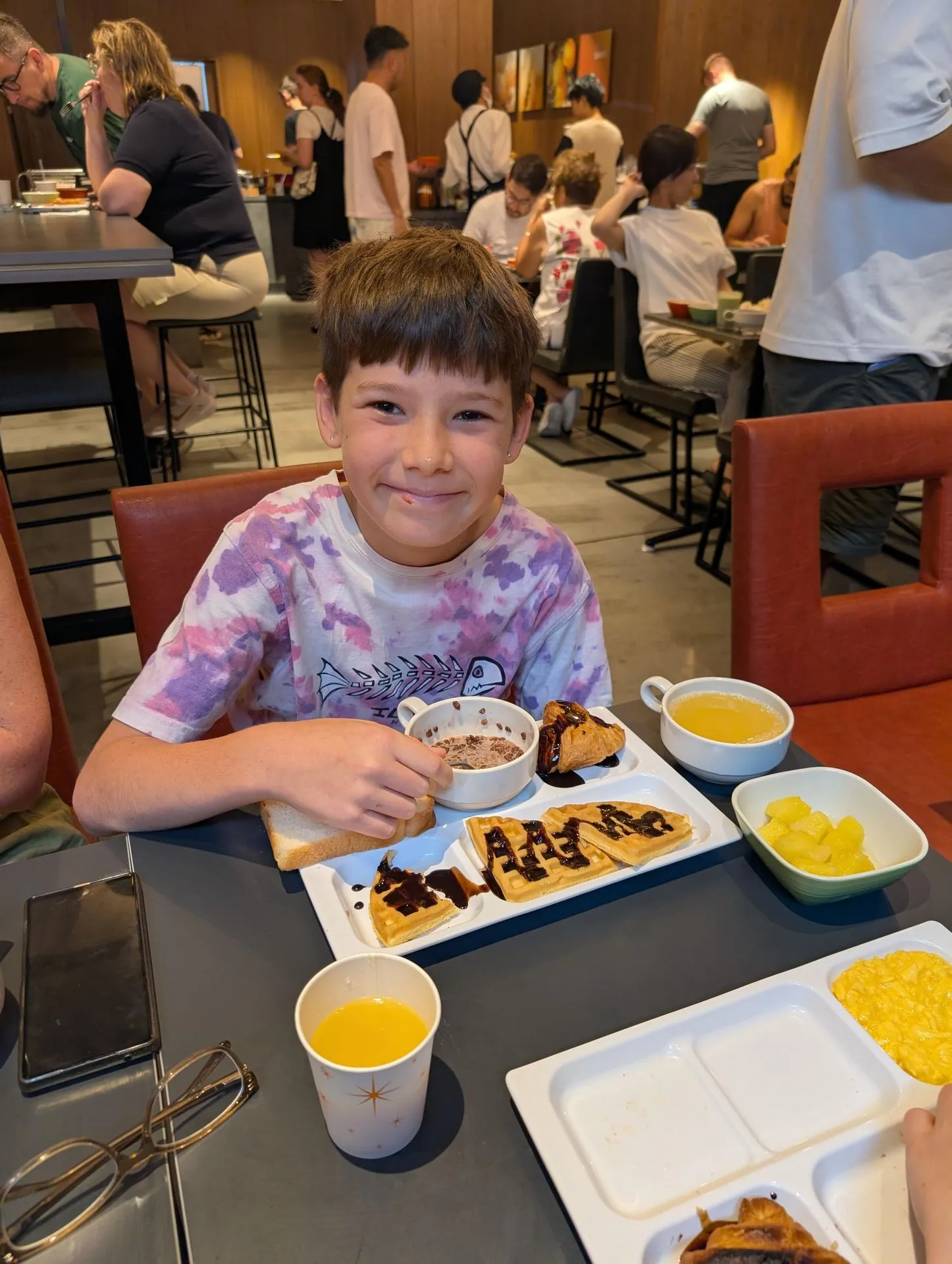
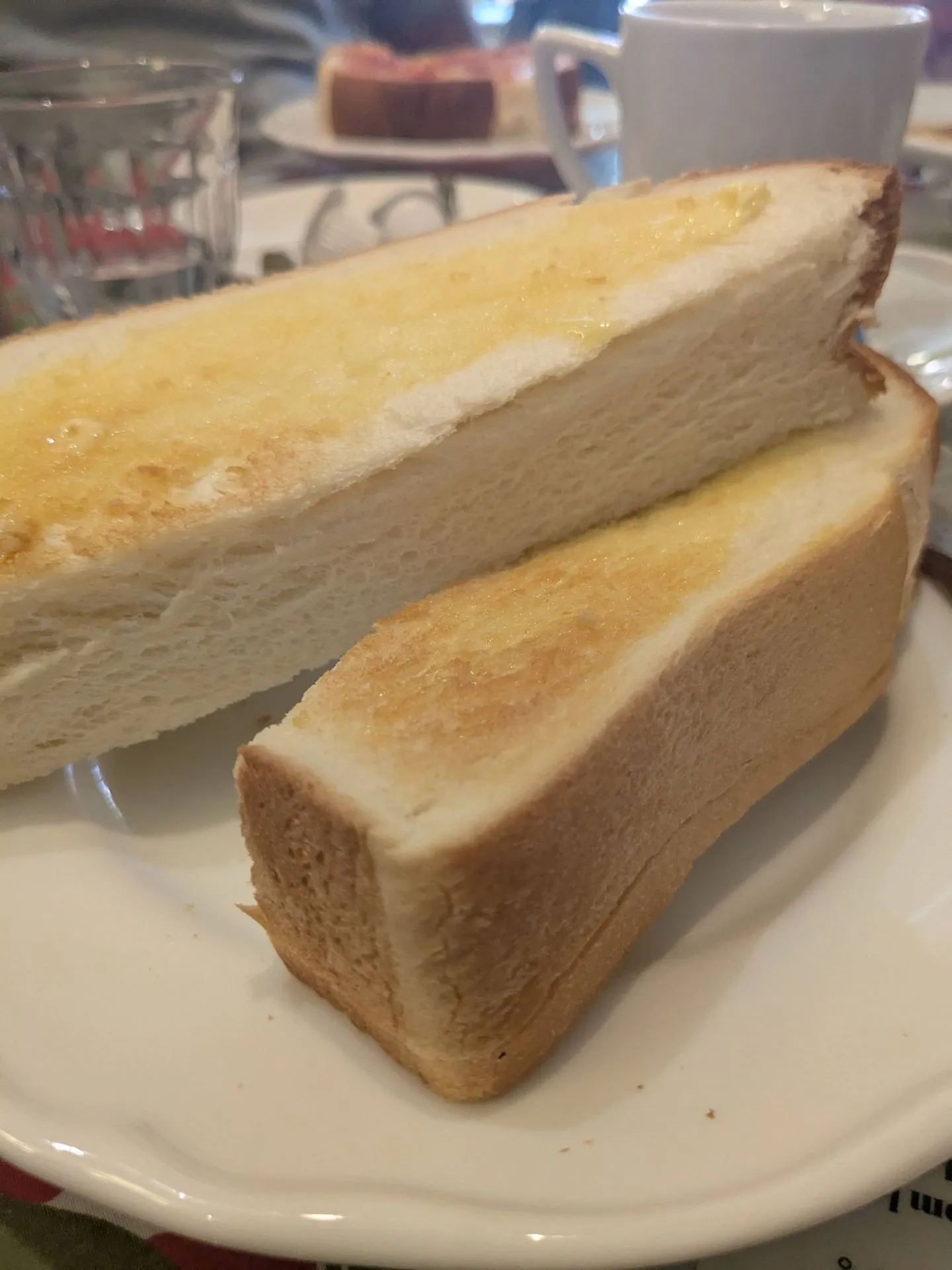
Some days even the most adventurous kid hits a wall. Japan handles it. The Western chains come with their own local twist, the supermarkets cover the basics, and a donut or a stack of waffles resets everyone's mood fast.
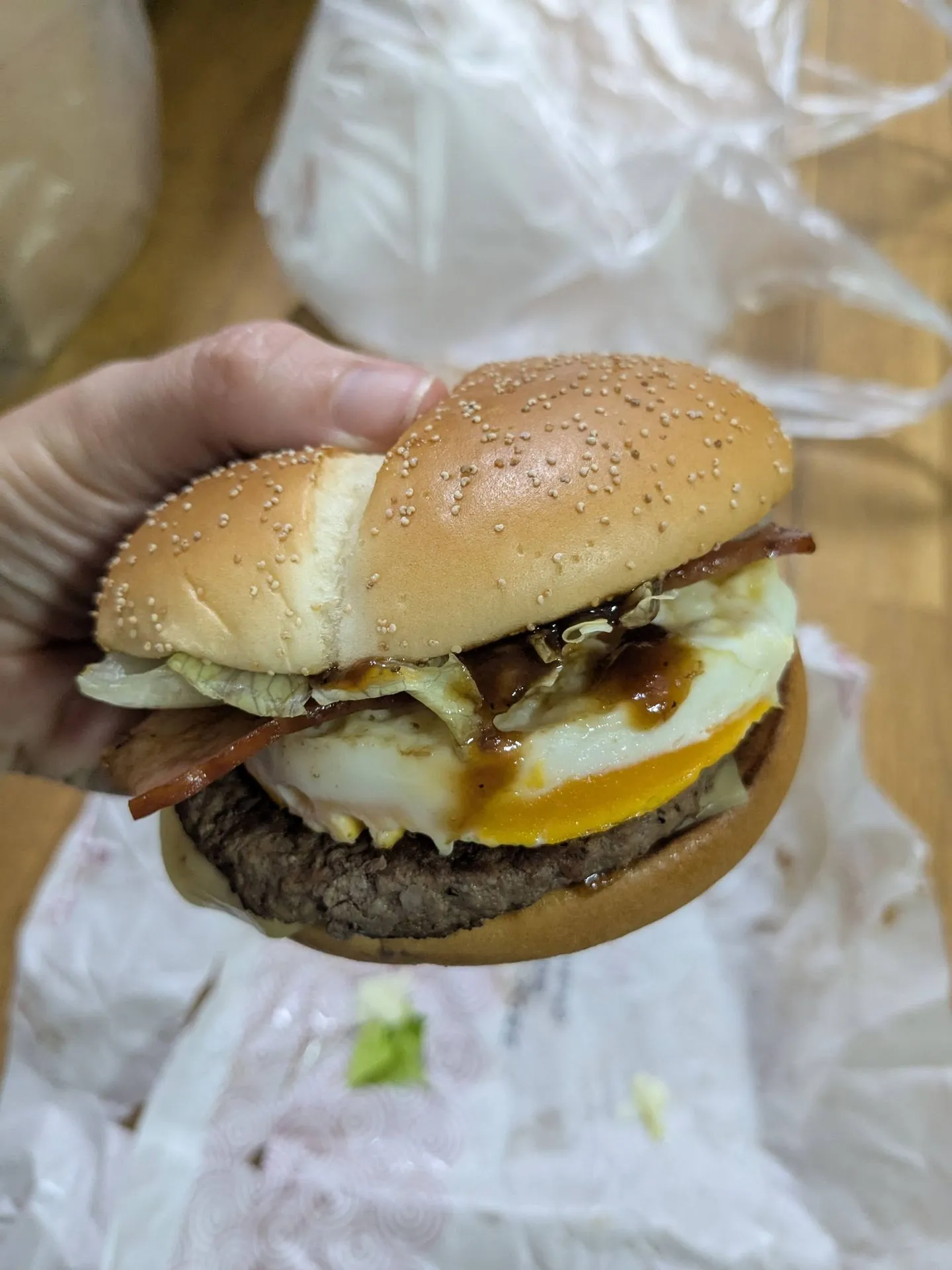
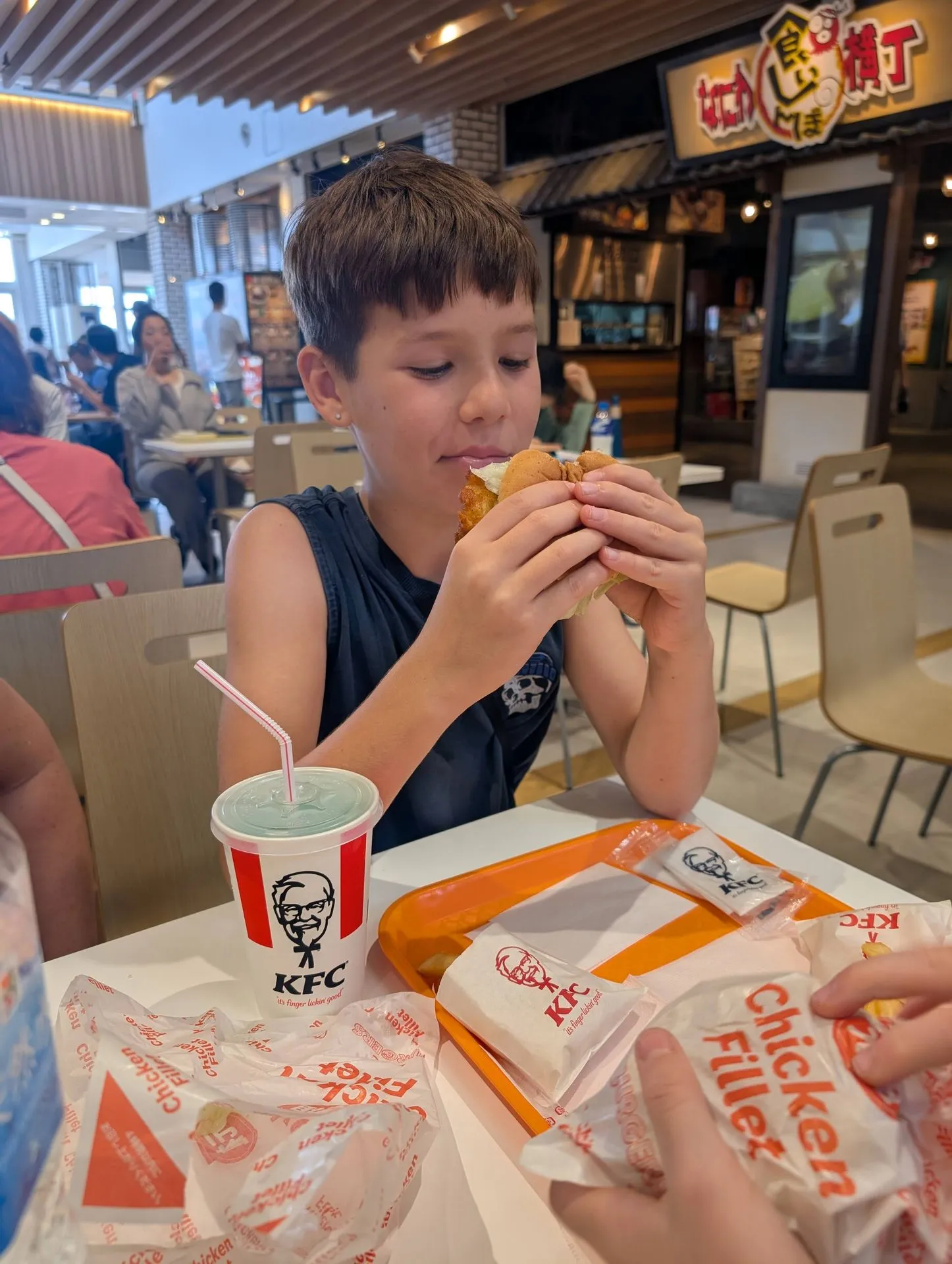
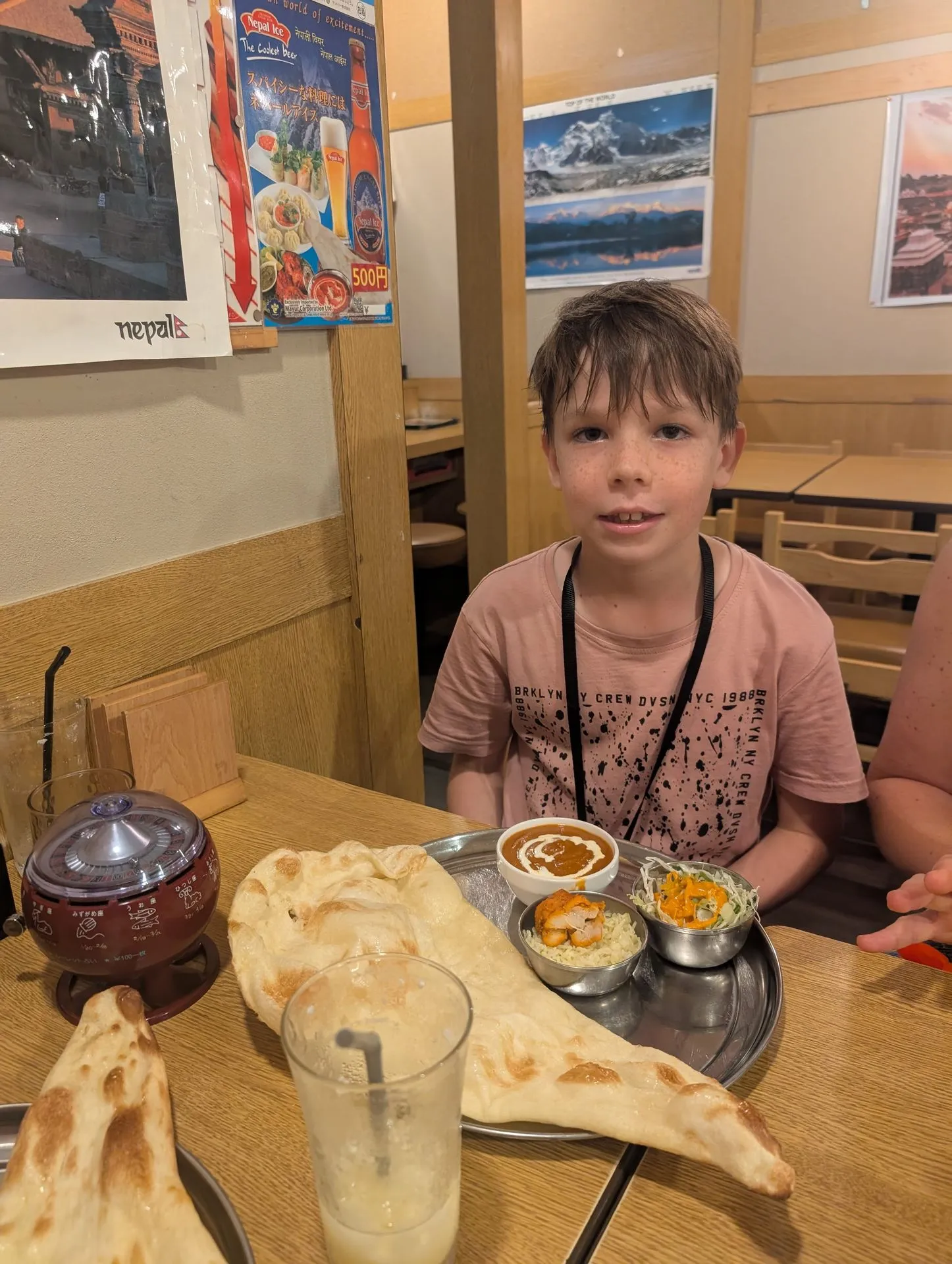
Bento, the great travel-day fix.
Long train days are easy when lunch is this good. Station bento, called ekiben, turn the Shinkansen into a moving picnic, and every station has a wall of them to choose from.
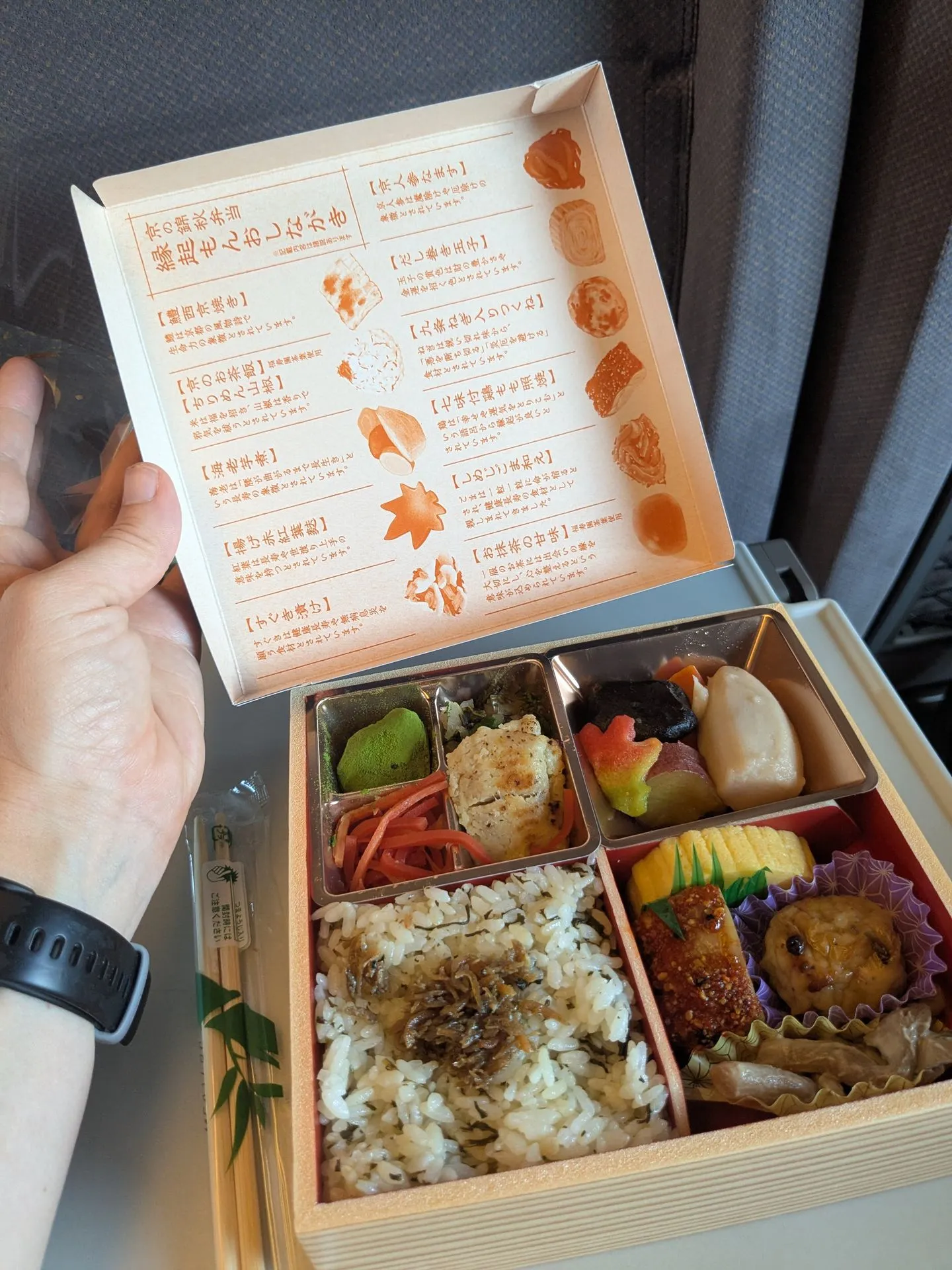
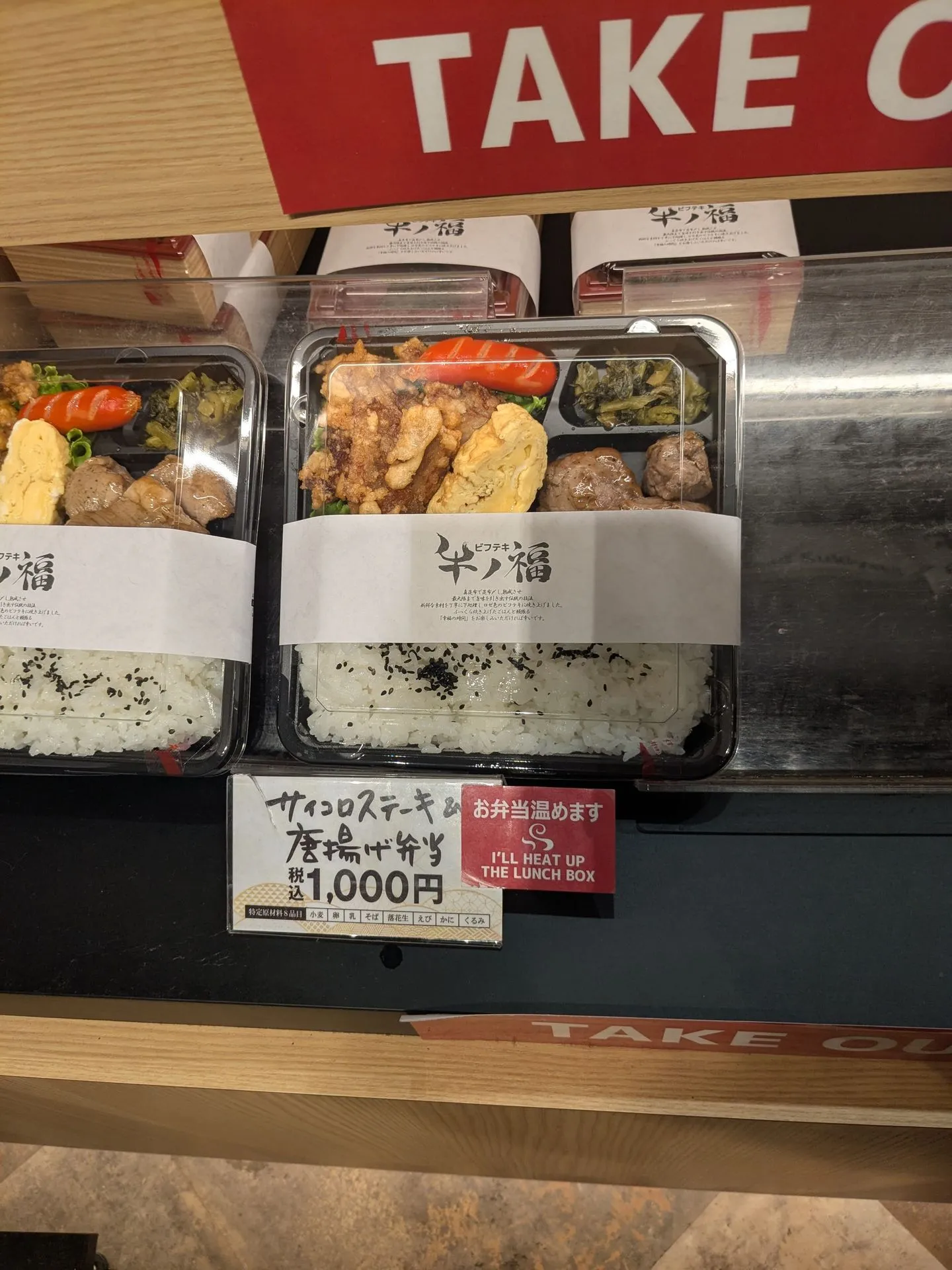
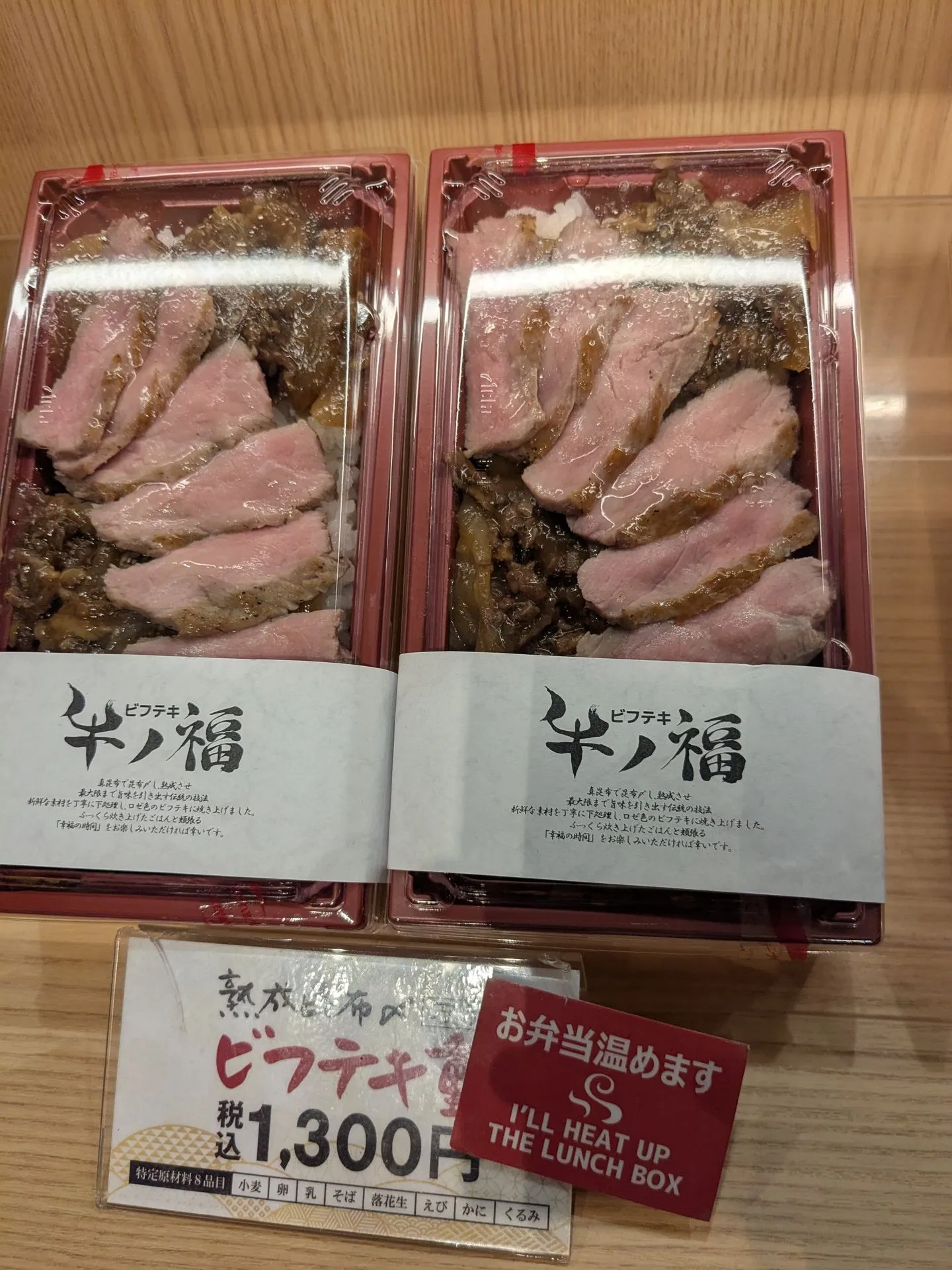
We ate extremely well too.
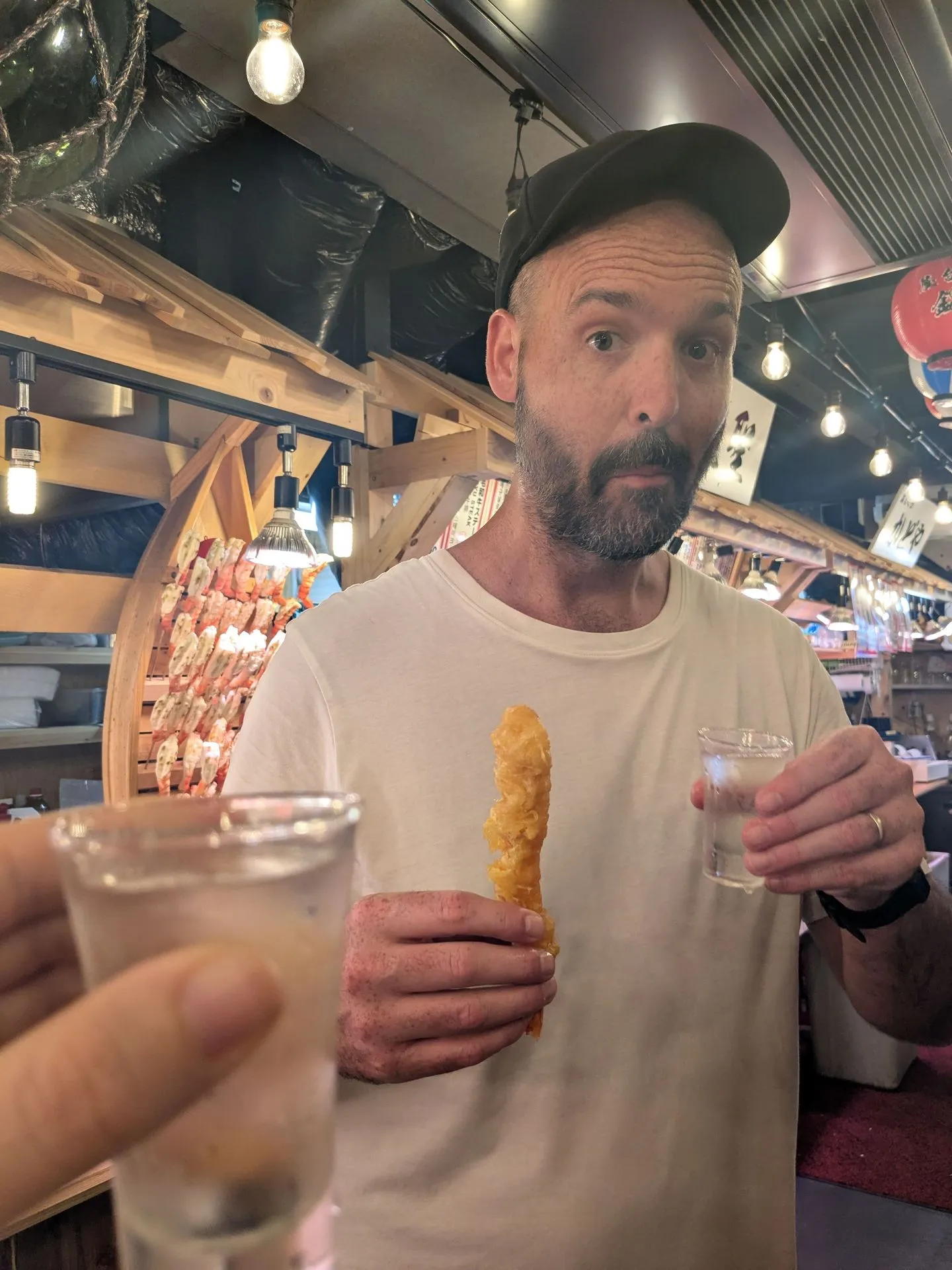
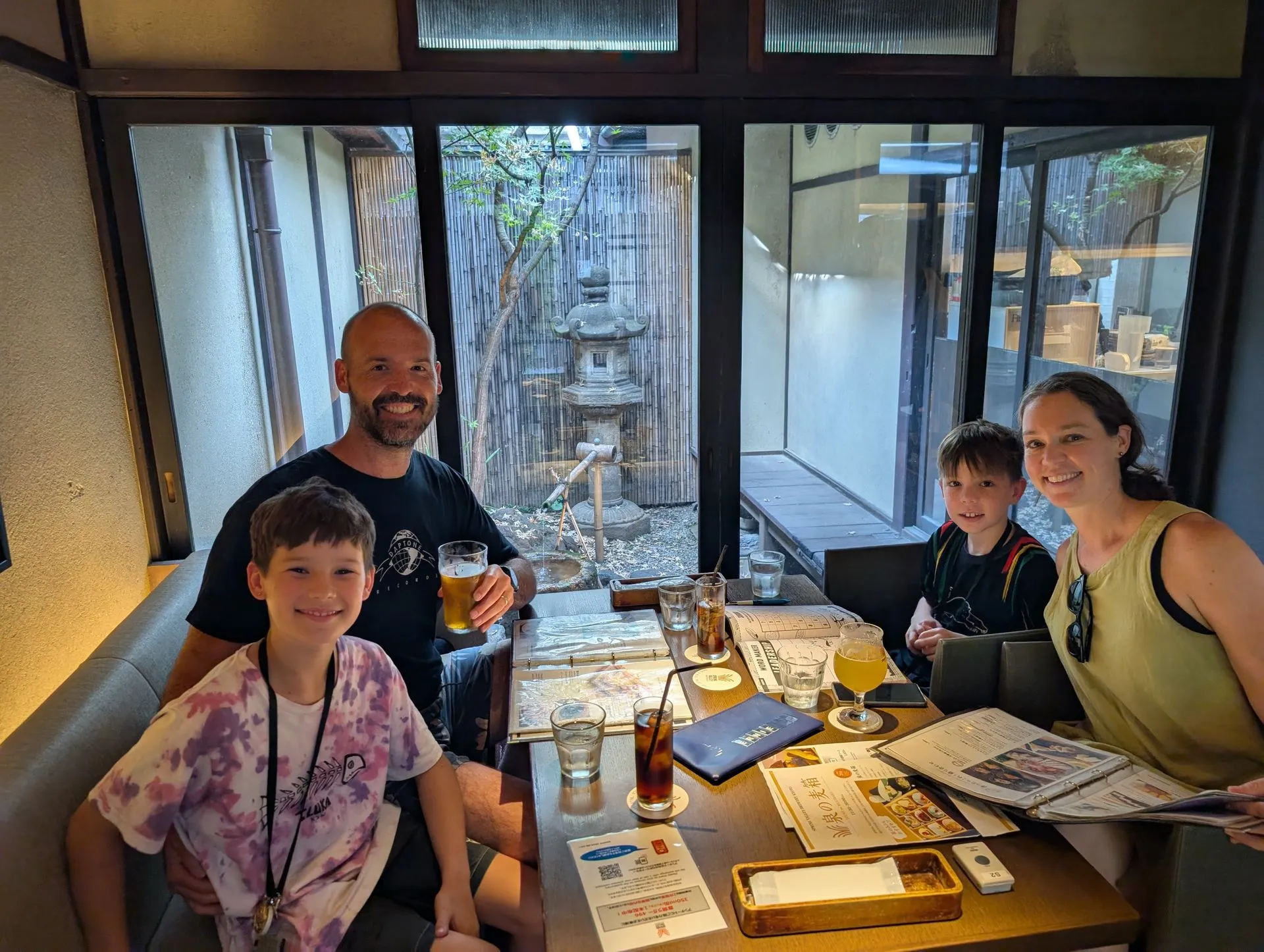
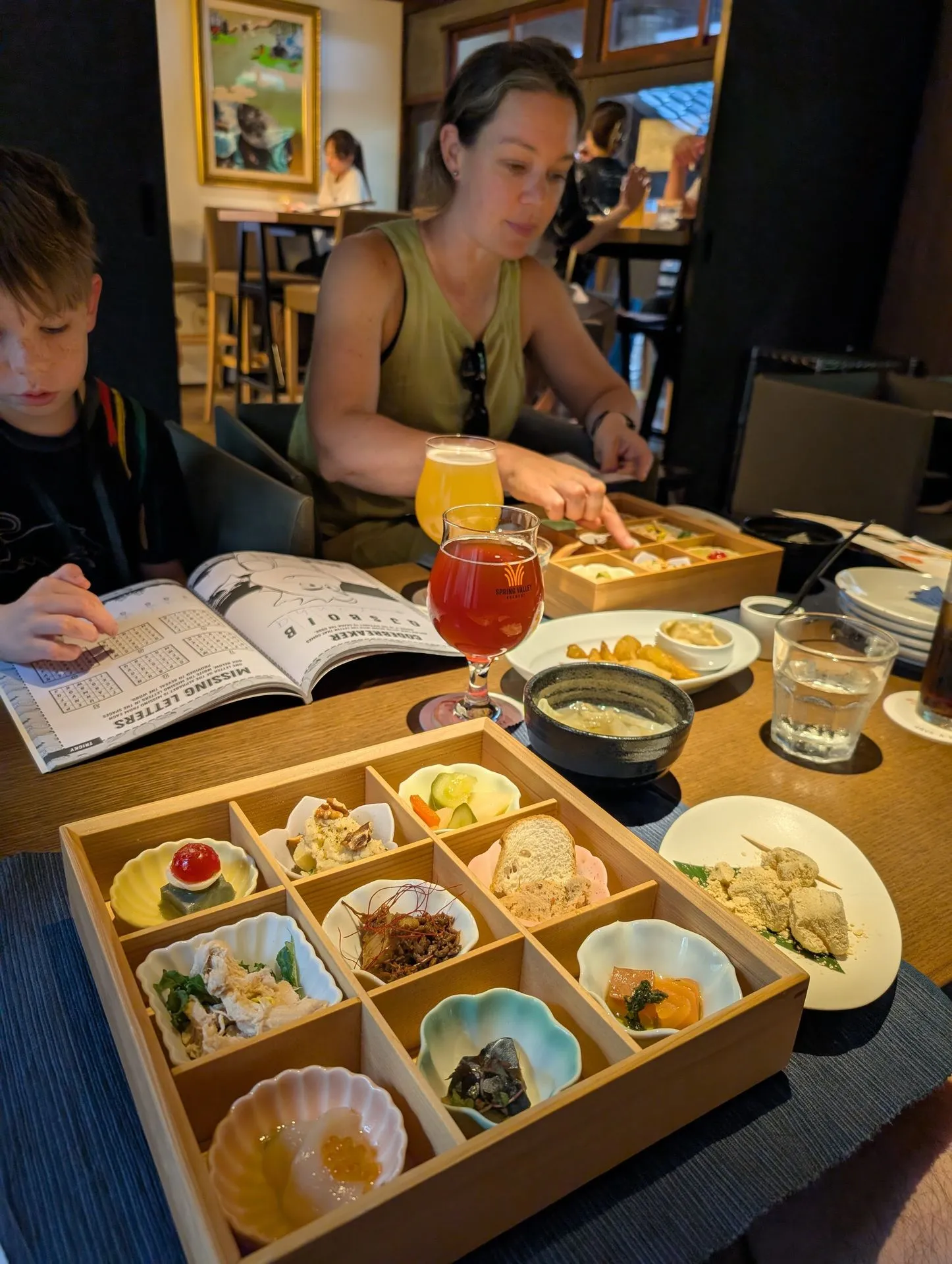
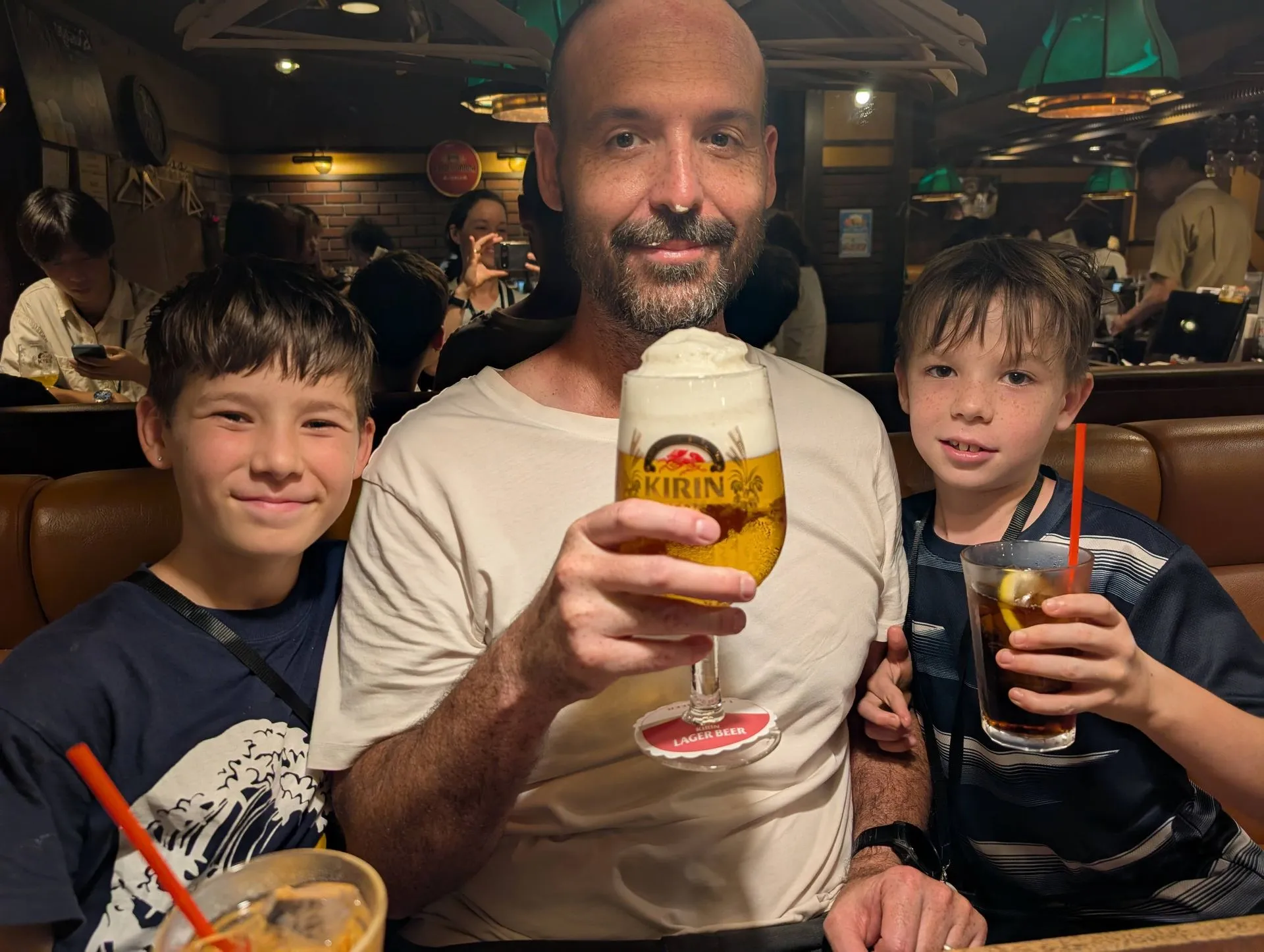
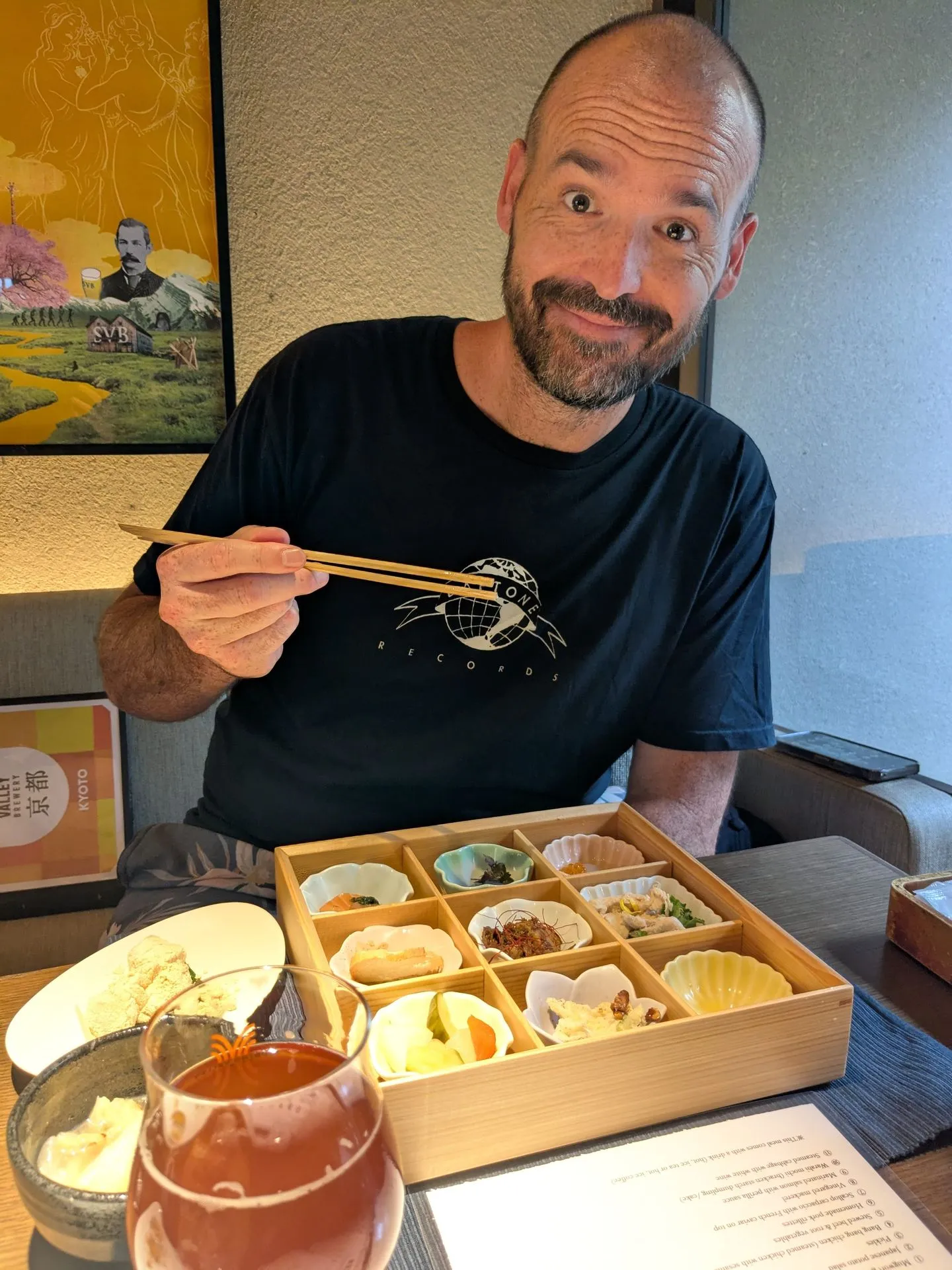
This is not a trip where the parents survive on leftover chips. While the boys worked through the street food, Lyndsie and I ate really well, often at the same table, sometimes with a cold beer and a garden view.

You do not need any Japanese to eat well.
- Look for the plastic food models
- Loads of restaurants display lifelike models of every dish in the window. Walk up, point at what you want, done.
- Picture menus are everywhere
- Especially anywhere used to families and tourists. Tablet and QR menus usually have an English toggle.
- Ticket machines at ramen shops
- Pay the machine, hand the ticket to the counter, sit down. A whole meal with no conversation needed.
- Carry an allergy card
- If allergies matter, a card written in Japanese gets taken seriously. Worth sorting before you fly.
Plan it the way we would.
We planned this trip ourselves, paid for it ourselves, and wrote down what worked and what did not. All of it is on the site, free, with nothing to sign up for.
- Where to go, and how long to give each place
- What to book ahead, and what to skip
- Getting around with kids, without the guesswork
- What it actually cost us
The planning guides
Flights, trains, money, food, insurance and where to stay. Written after the trip, not before it.
Read the guides → Browse destinations