Why Kyoto works so well for families
Kyoto is the city people mean when they picture Japan, the vermilion gates, the geisha districts, the temples backed by forested mountains. What surprises most families is how much of it is genuinely interactive and exciting for children, not just visually impressive for adults. Fushimi Inari’s tunnel of thousands of torii gates is one of the most physically engaging walks in any city in the world. The Arashiyama Monkey Park requires a steep uphill climb that kids treat as a personal challenge. The bamboo grove at dawn is other-worldly. And the Samurai and Ninja Museum lets the whole family dress up as samurai and ninjas and throw (rubber) ninja stars.
Kyoto is also compact enough to navigate without constant transport stress. Most major sights cluster into distinct neighbourhoods, the north-west for Kinkakuji, the south for Fushimi Inari, the west for Arashiyama, the centre for Gion and Nishiki. Plan one area per day and the city stops feeling overwhelming.
North Kyoto
Kinkakuji (Golden Pavilion) in the morning before crowds arrive, then Ryoanji rock garden nearby. Then Nishiki Market for lunch and a walk through central Kyoto.
South Kyoto
Fushimi Inari Taisha, start early, hike as far as the kids want to go. Afternoon rest or Samurai Museum near Nishiki. Evening stroll through Gion.
West Kyoto
Arashiyama, bamboo grove, then Monkey Park, then the Oi River. The Torokko tourist train is an optional afternoon add-on for a scenic canyon ride.
Planning your own Japan trip? Our planning guides cover flights, trains, food, where to stay and what it cost, all from one family's trip.
Arriving in Kyoto
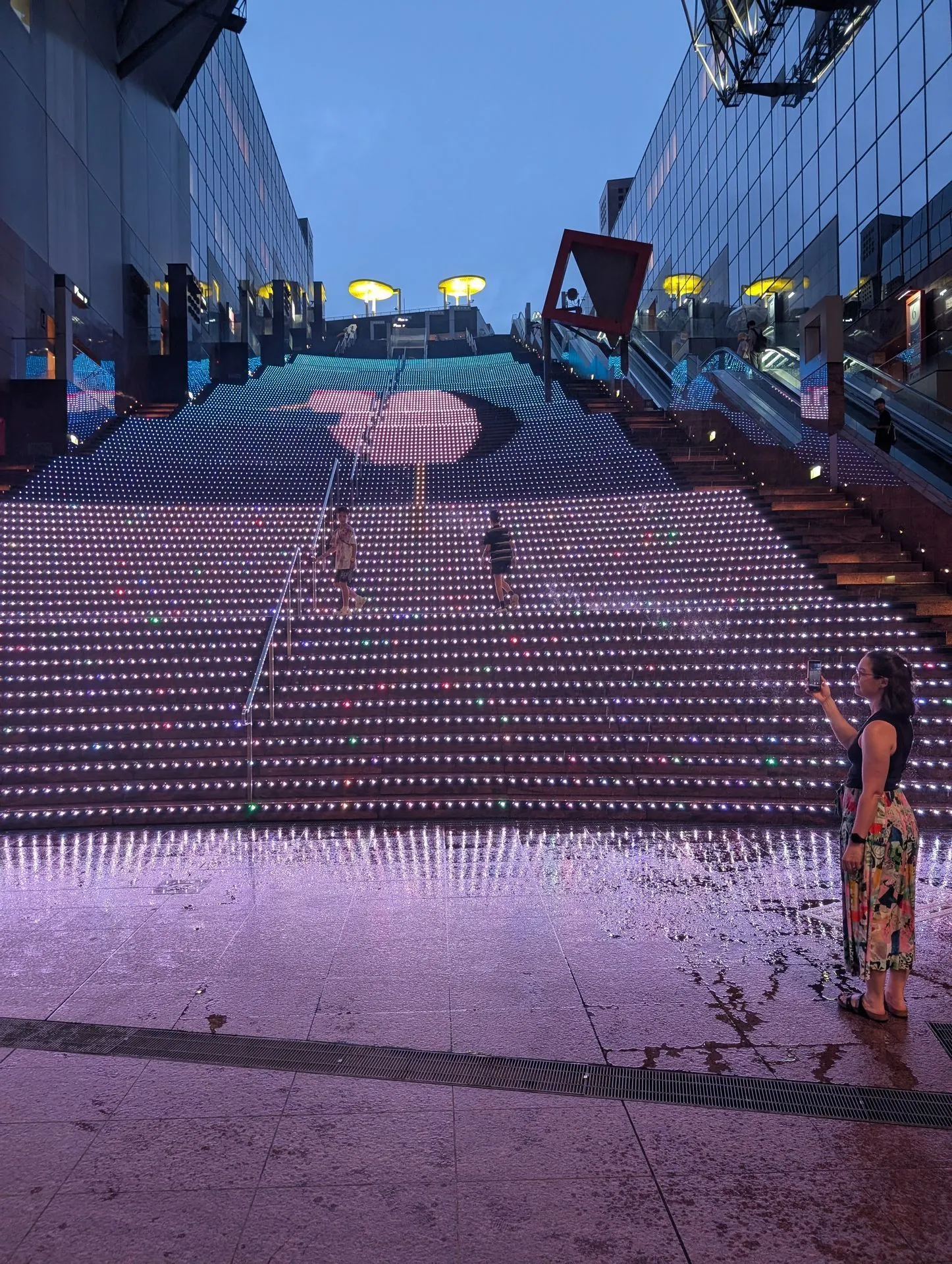
Kyoto Station is one of the great train stations in Japan, a vast, cathedral-like structure with a dramatic glass atrium, a rooftop walkway above the city and LED light displays on the staircase at night. Most families arrive by Shinkansen from Tokyo (about 2 hours 15 minutes on the Nozomi) or from Osaka (15 minutes). From Hakone, take the Shinkansen from Odawara, about two hours to Kyoto on the Hikari.
Kinkakuji: the Golden Pavilion
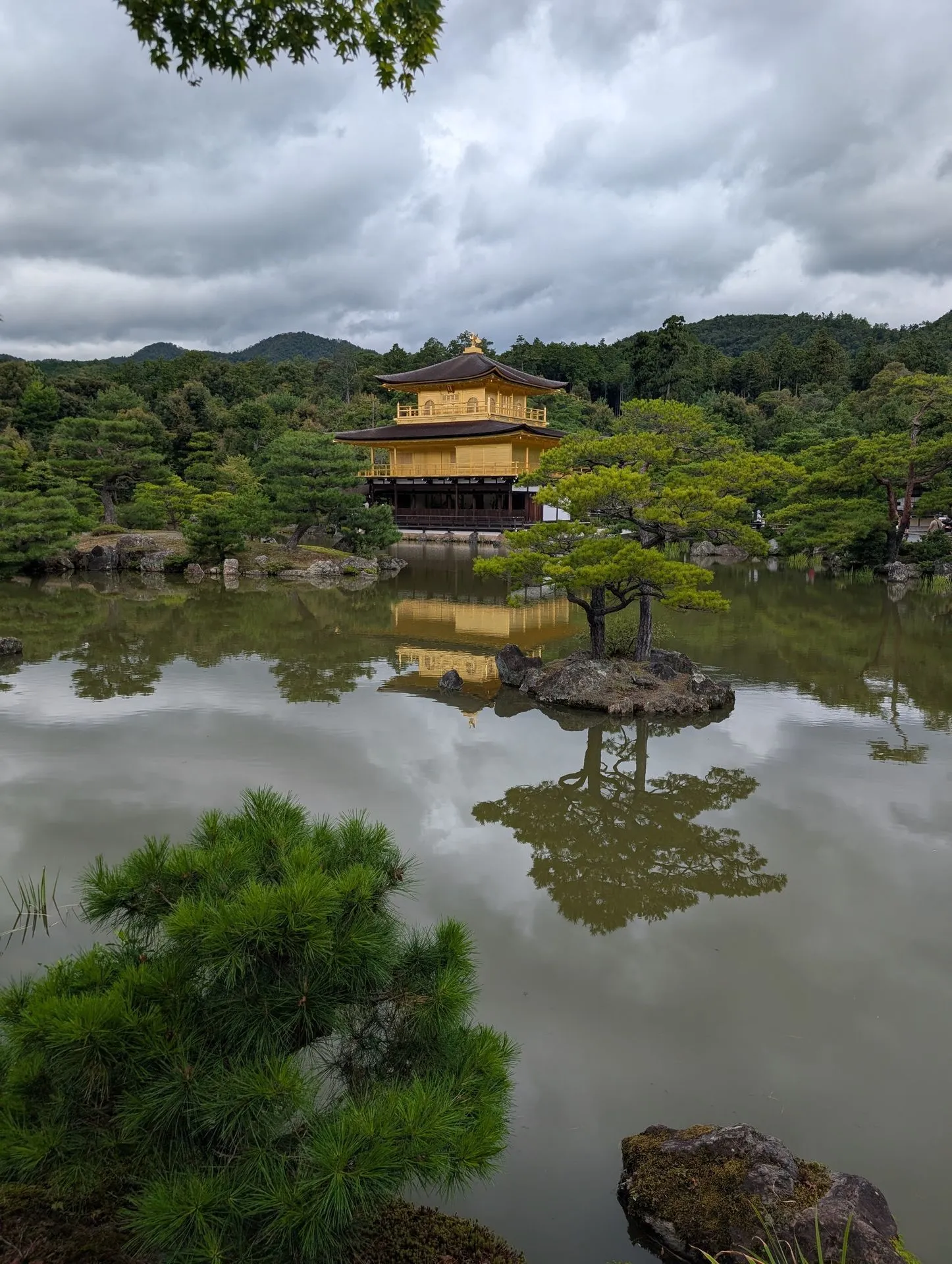
Kinkakuji is one of Japan’s most photographed buildings and it delivers completely in person. The top two floors of the pavilion are covered in gold leaf that reflects in the mirror pond in front, on a clear morning the reflection is almost perfect. It looks exactly like the photos, which is not something you can say about every major landmark.
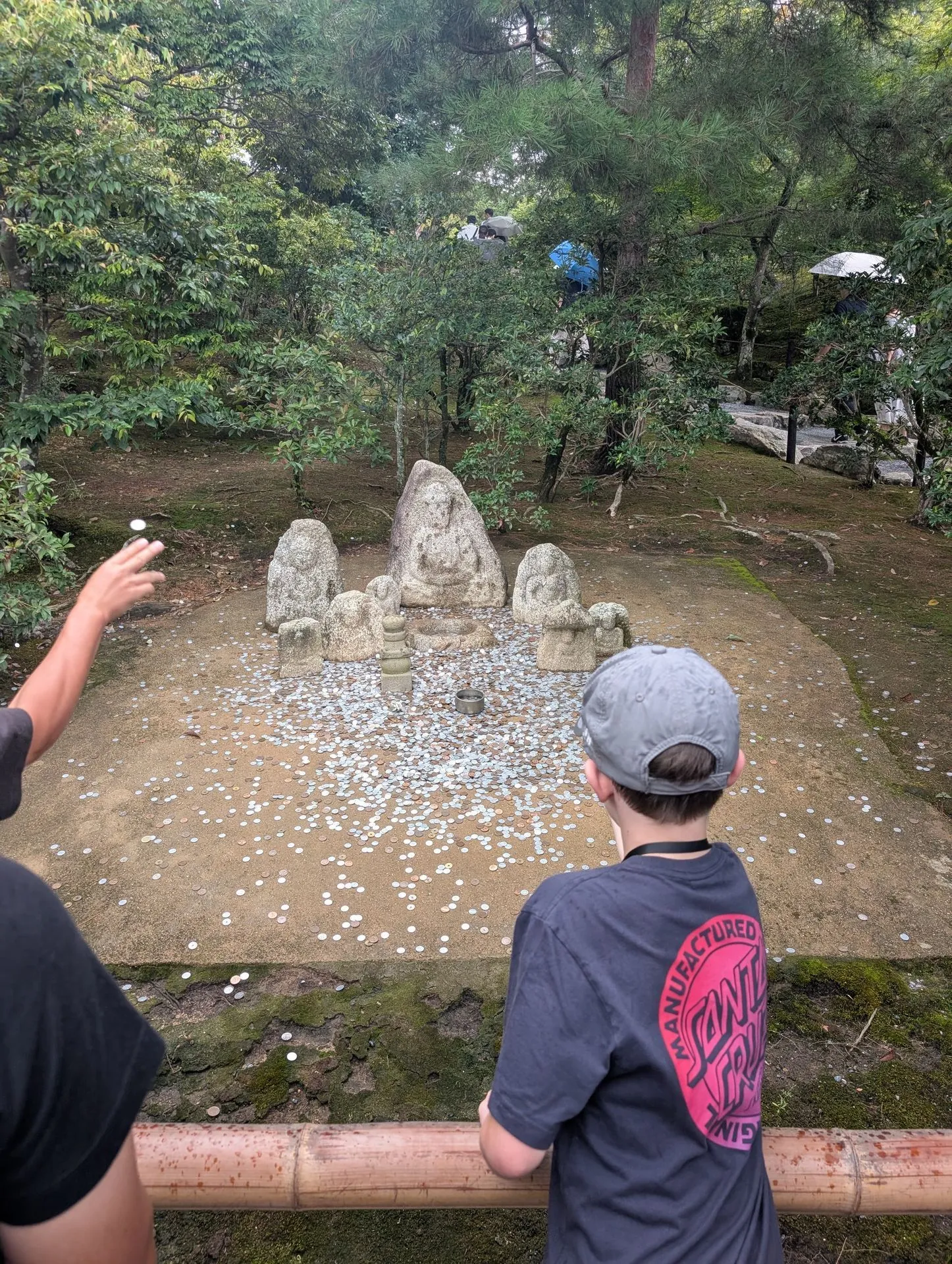
The garden circuit around the pavilion takes about 40 minutes at a relaxed pace. Kids are usually engaged, there’s a lot to look at, including stone lanterns, a small island shrine and the famous coin-toss wishing pool where everyone tries to land a coin on the small platform. It’s genuinely difficult, which makes it entertaining for both the kids and the adults watching.
We did Kyoto independently, on buses and trains, and it worked. If you would rather not solve the routing yourself, the day tours bundle Kinkakuji with Arashiyama and Fushimi Inari, which covers most of what we did.
Fushimi Inari Taisha
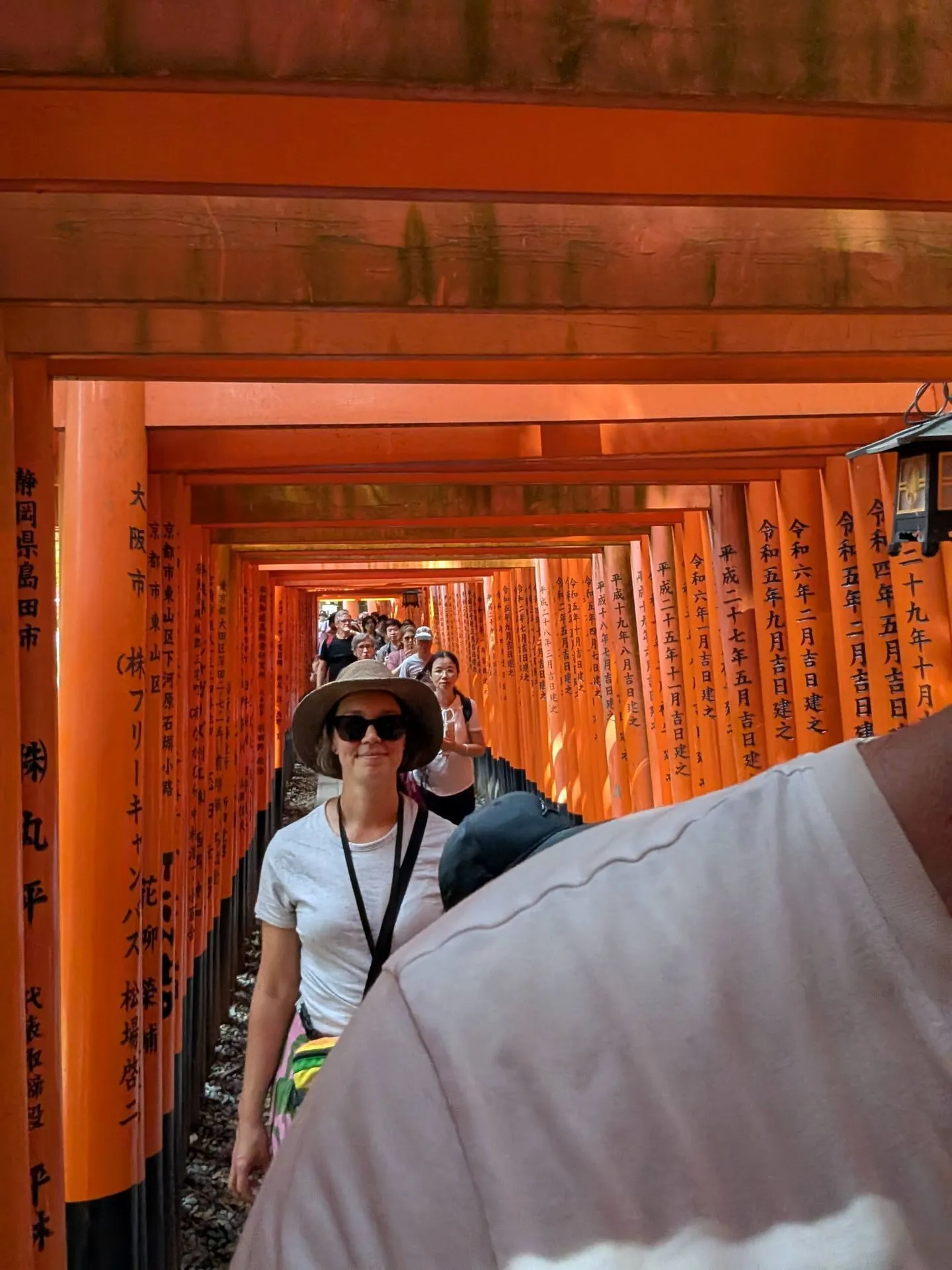
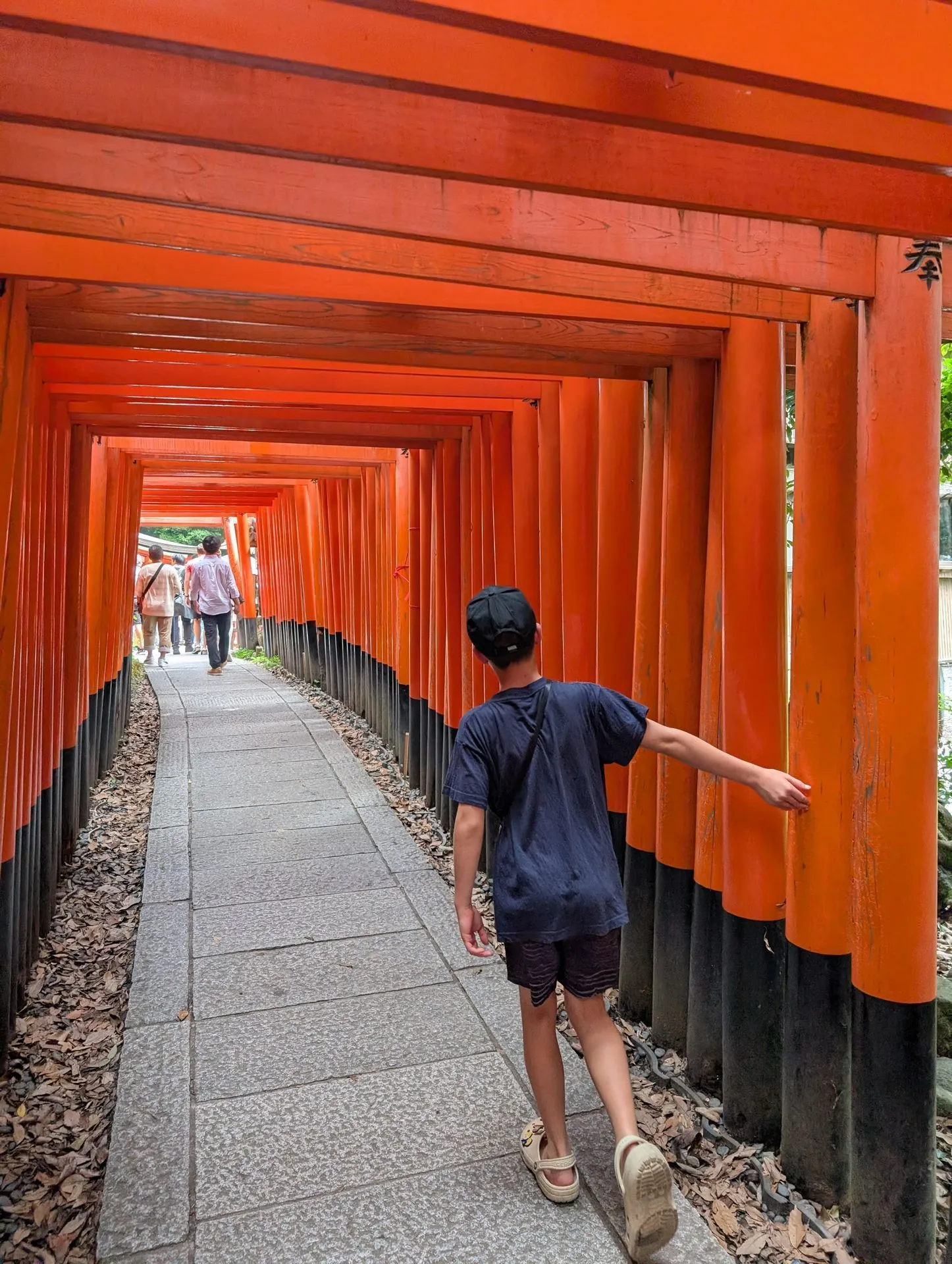
Fushimi Inari is the shrine with thousands of vermilion torii gates that you’ve seen on every list of Japan’s most iconic images. In person, walking through them is even better than the photos, the gates form continuous tunnels that wind up through a forested mountain, the red light filtering through the wood in patterns that change as you move. It’s one of the most physically memorable experiences in Japan.
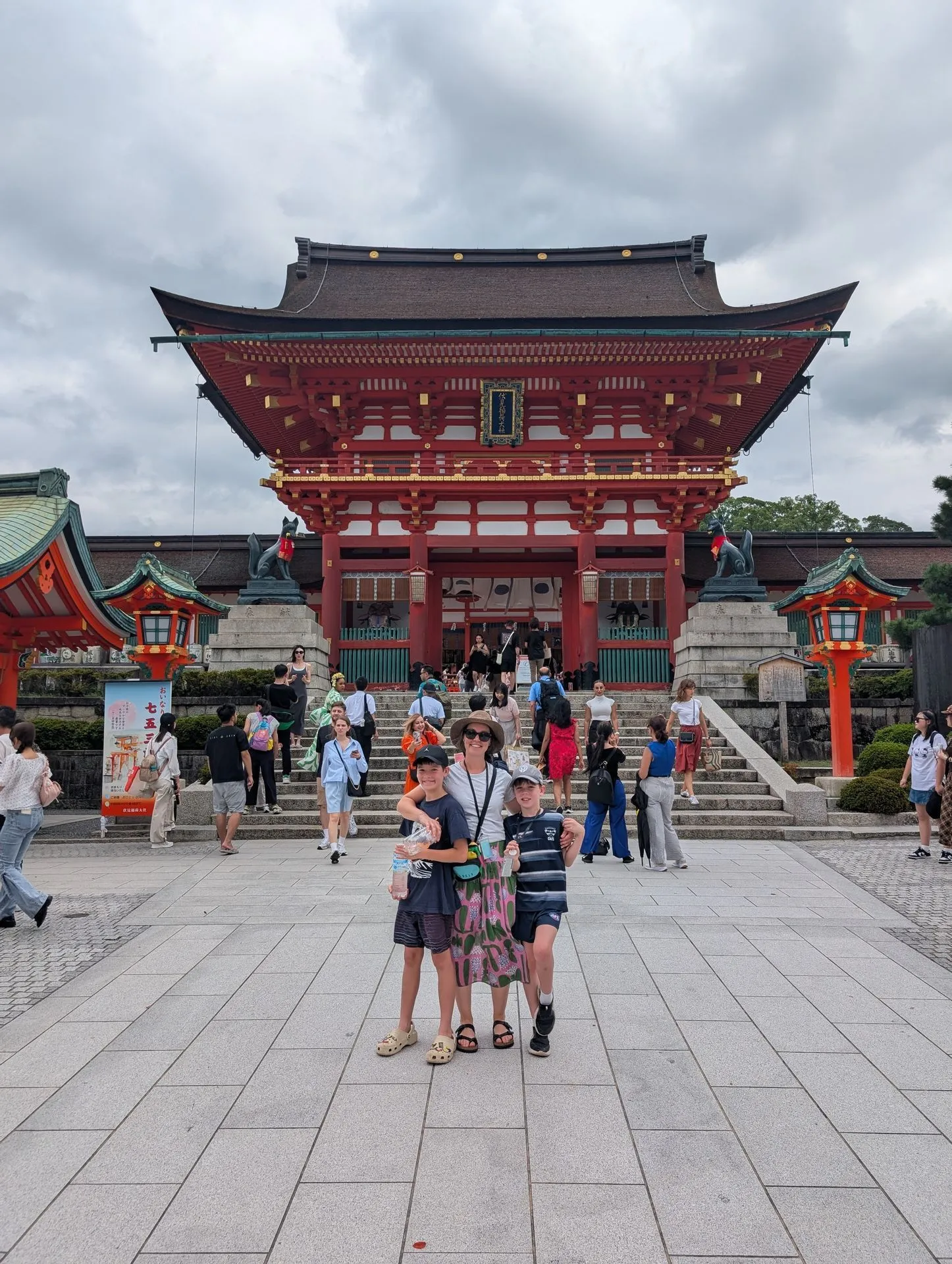
The full hike to the summit takes about 2 to 3 hours return. You don’t have to go all the way, the most photographed sections are in the first 30 to 40 minutes of hiking, and most families with kids turn around at the Yotsutsuji intersection about halfway up, where there’s a good view over Kyoto. The shrine is free to enter and open 24 hours, making early morning the best time, before the tour groups arrive and before the summer heat sets in.
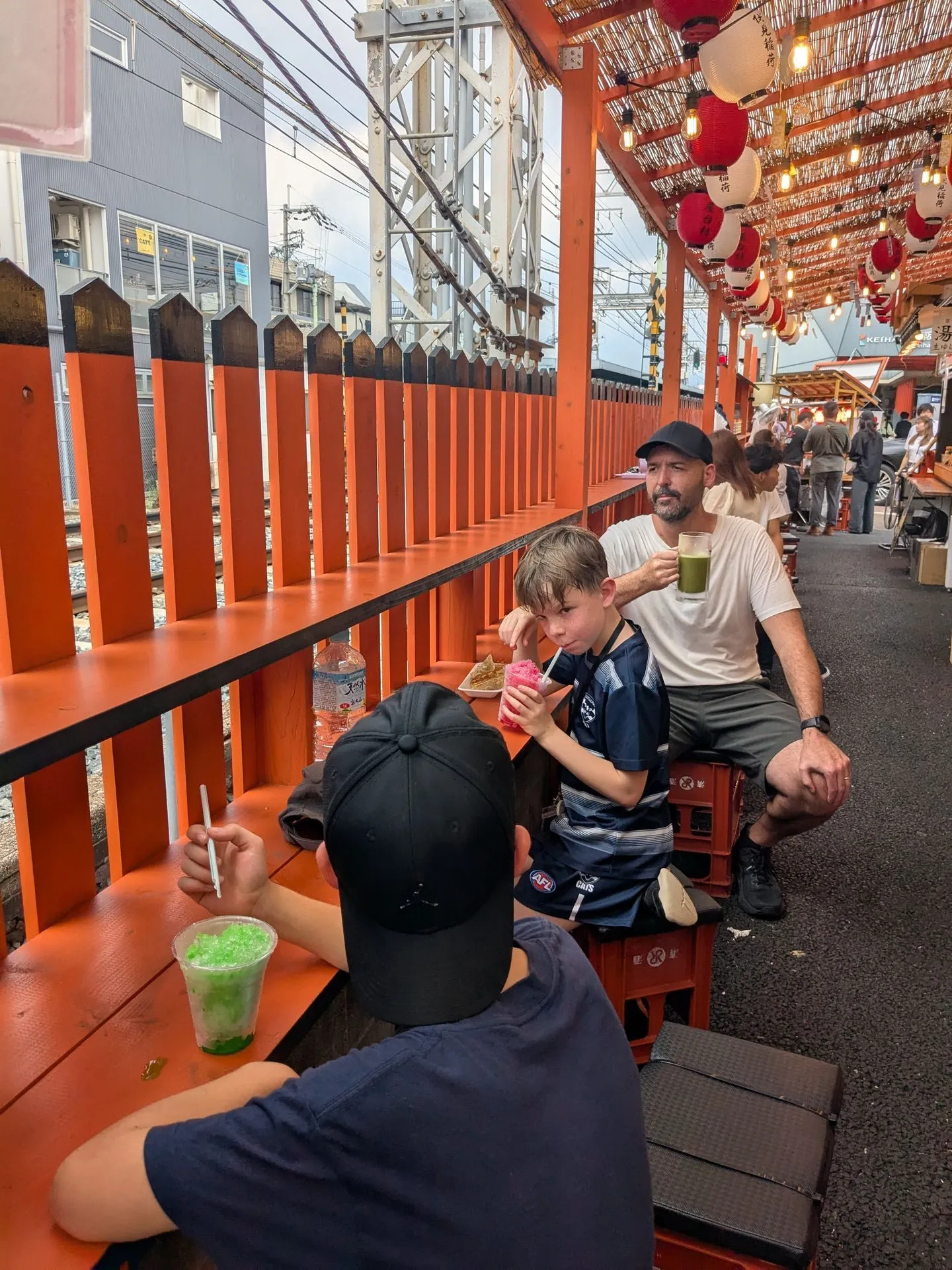
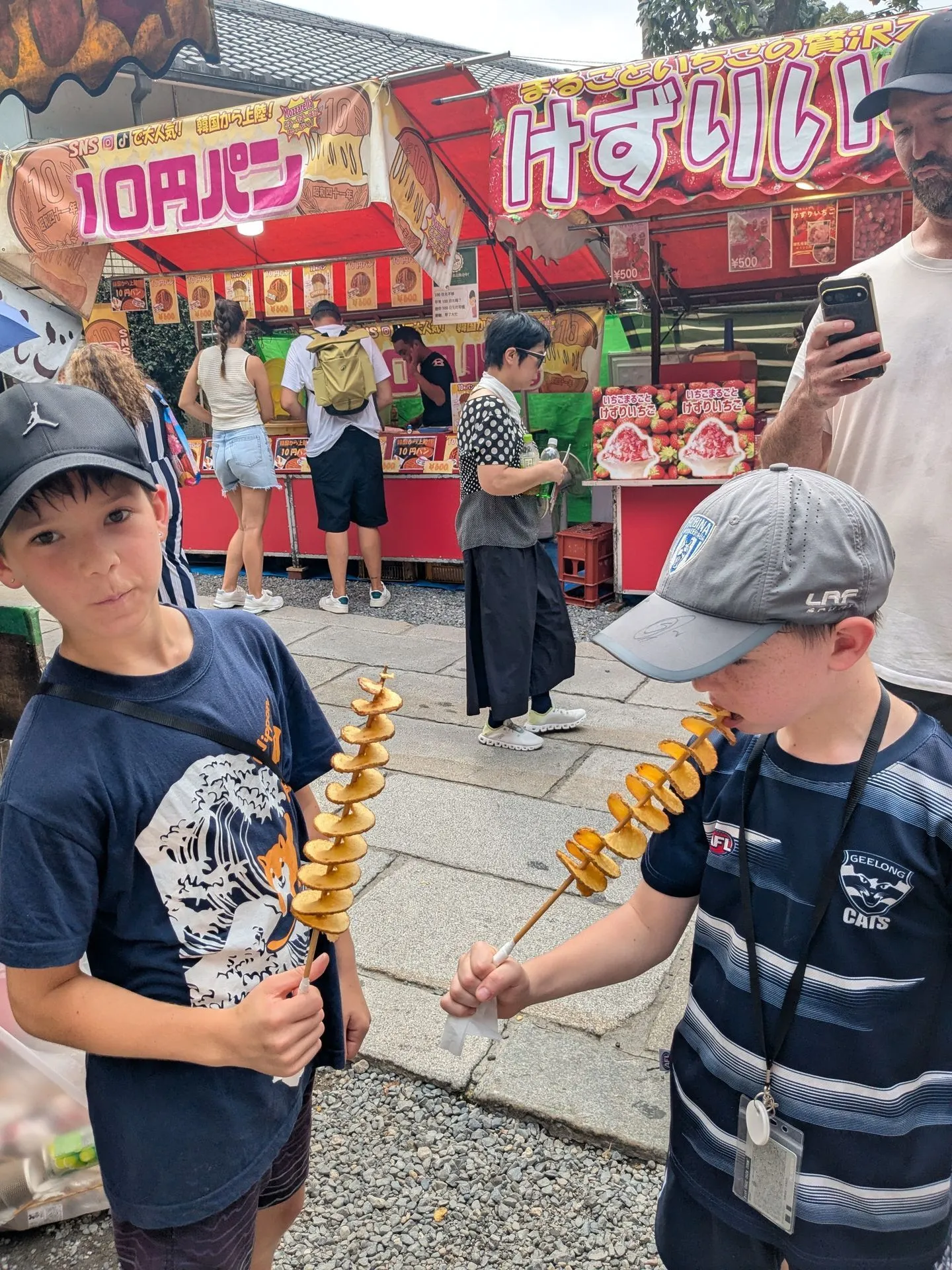
The path up to the shrine is lined with food stalls selling some of the best street snacks in Kyoto. Two are worth stopping for, kakigori (shaved ice with flavoured syrup, perfect in summer heat) and tornado potato, a spiral-cut potato on a skewer, fried and seasoned. Both are better than they have any right to be.
Arashiyama: bamboo, monkeys and a mountain train
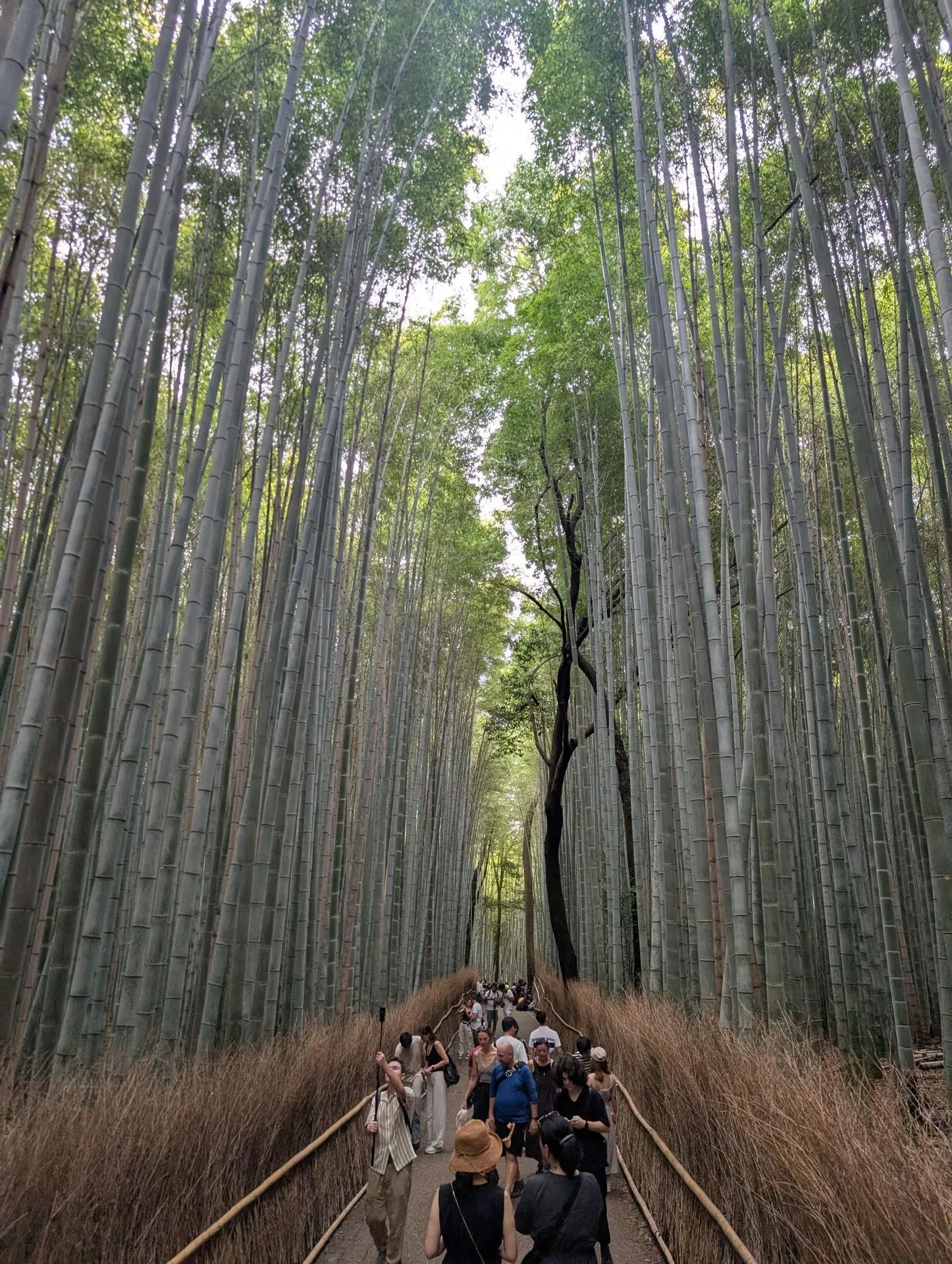
Arashiyama is a full day on its own. The district sits in Kyoto’s western mountains where the city gives way to forested hills, the Oi River runs wide and clear, and the tourist infrastructure is good without being overwhelming. Start at the bamboo grove first thing in the morning, when the crowds are thinnest and the light through the canopy is at its best.
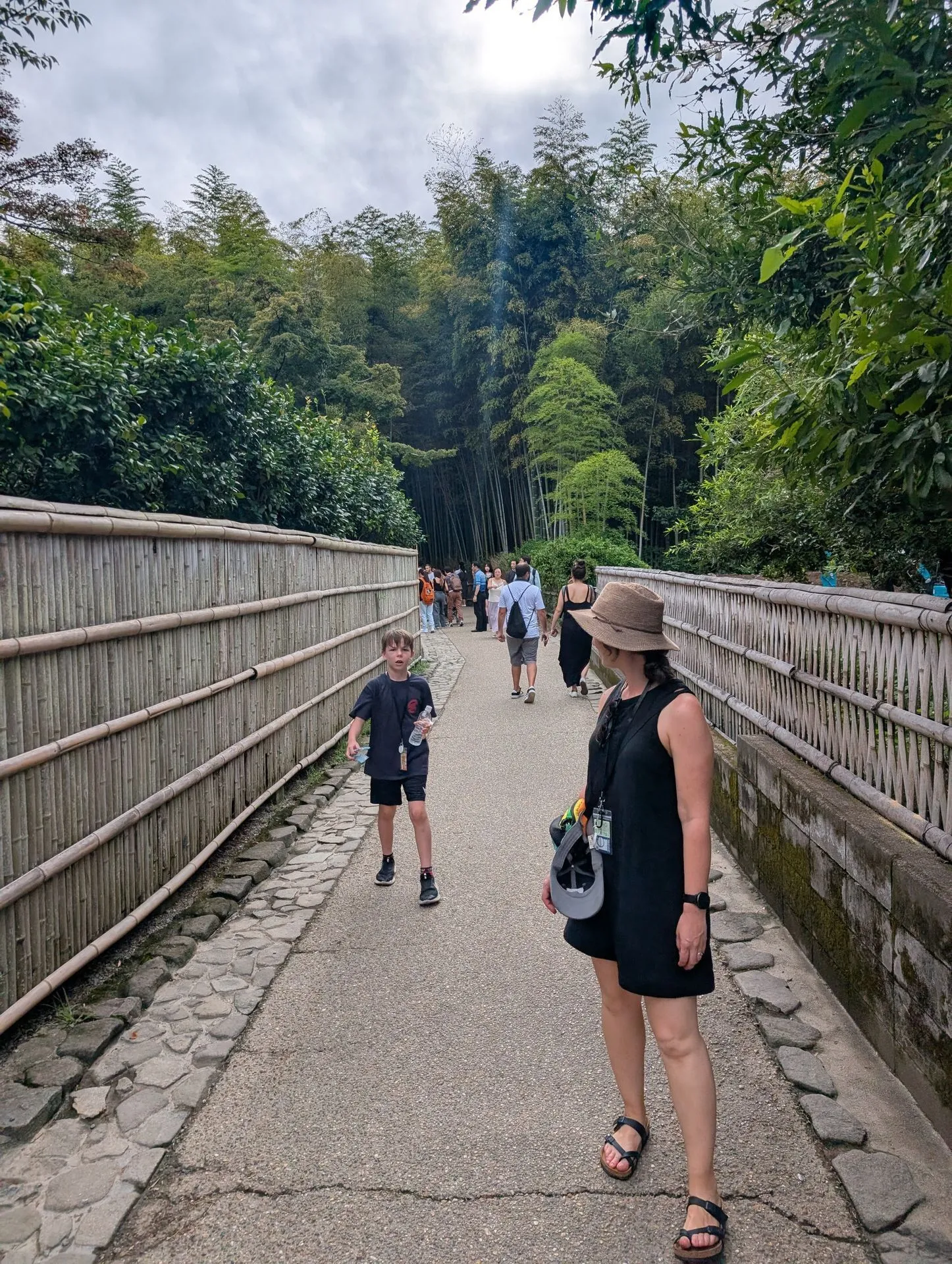
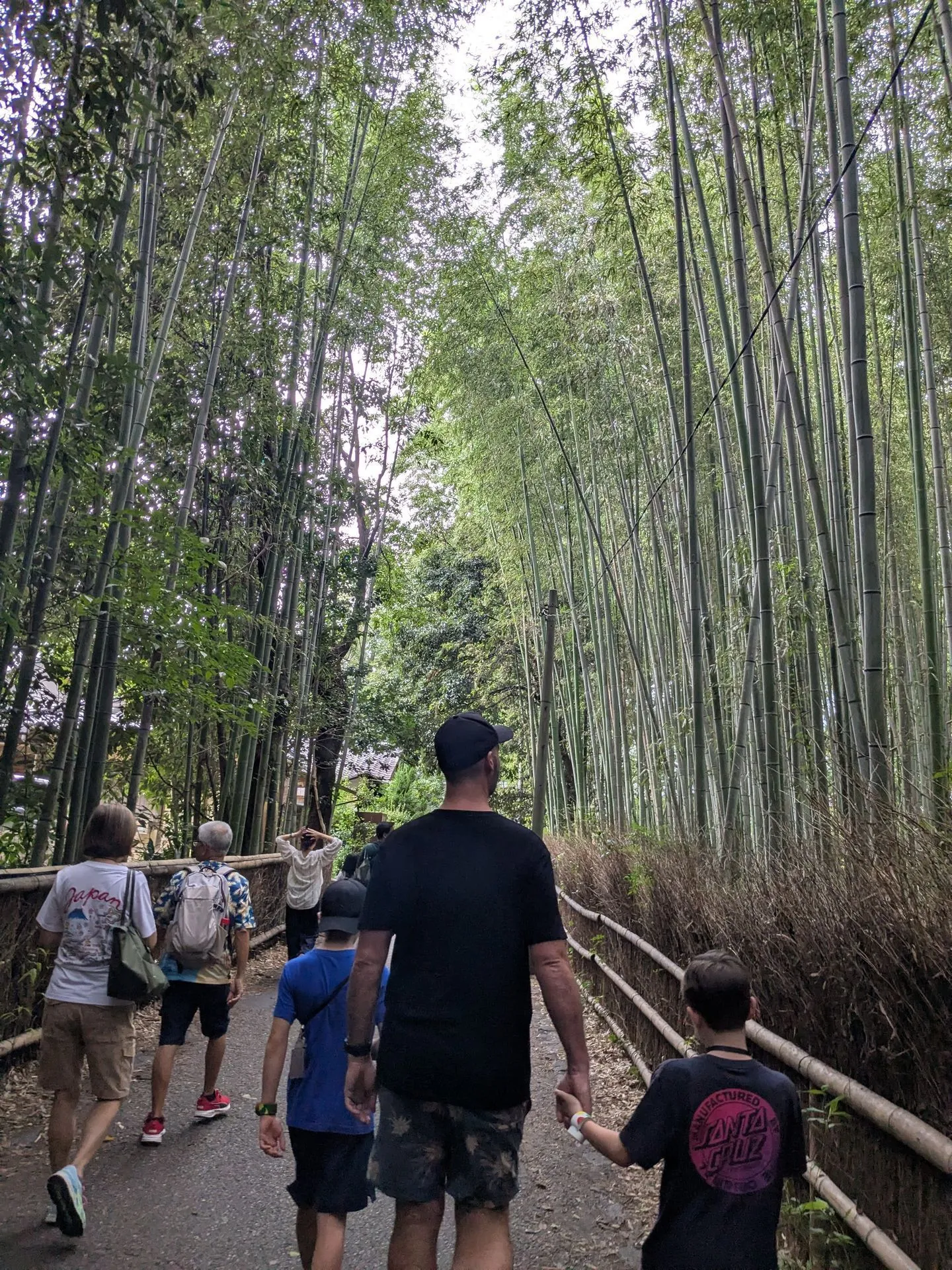
The bamboo grove is short, the main path is only about 500 metres, but the density and scale of the bamboo makes it genuinely otherworldly. By mid-morning the path is shoulder to shoulder with visitors. Going early is not optional advice; it’s the difference between a serene experience and a crowded one.
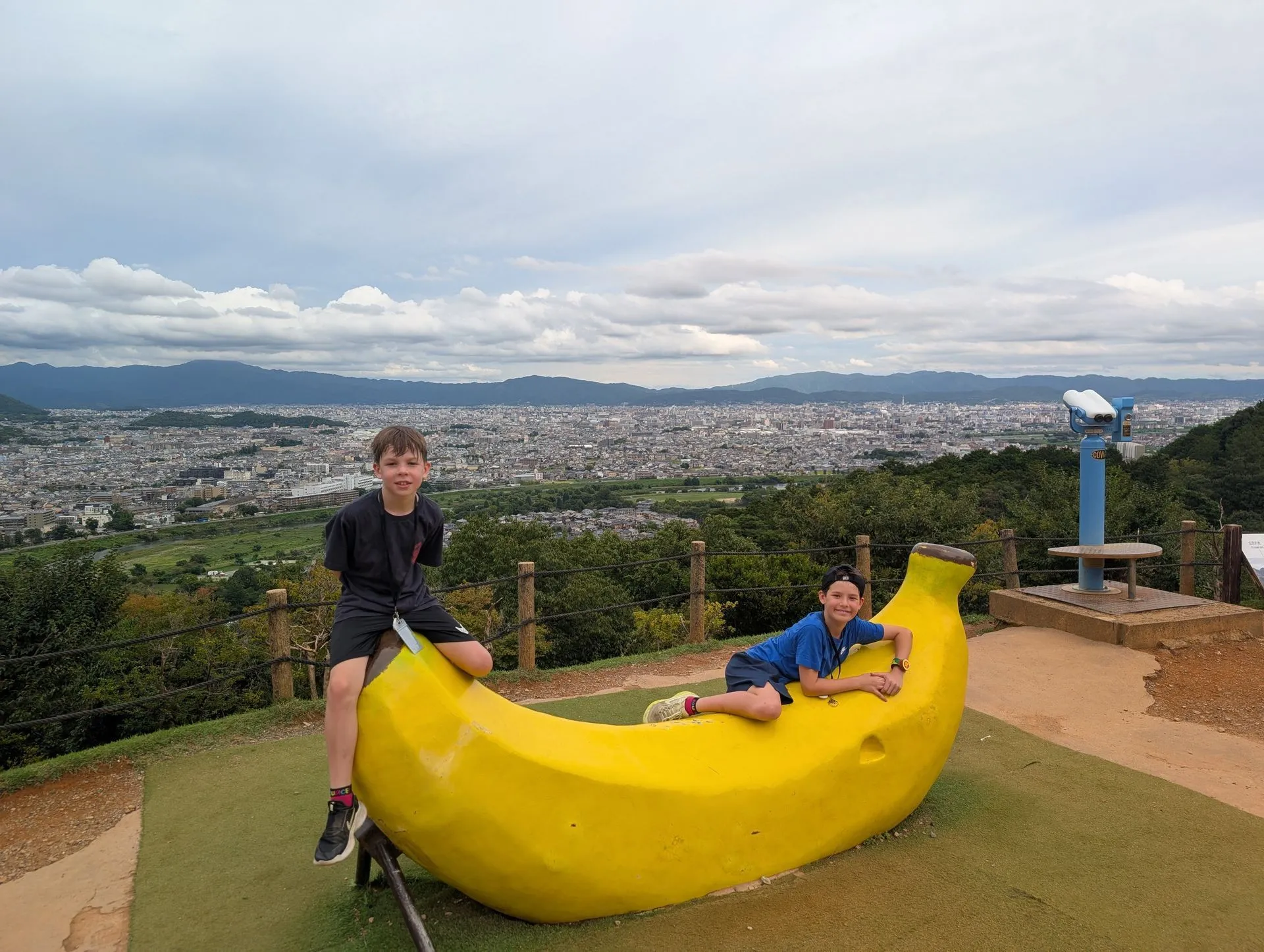
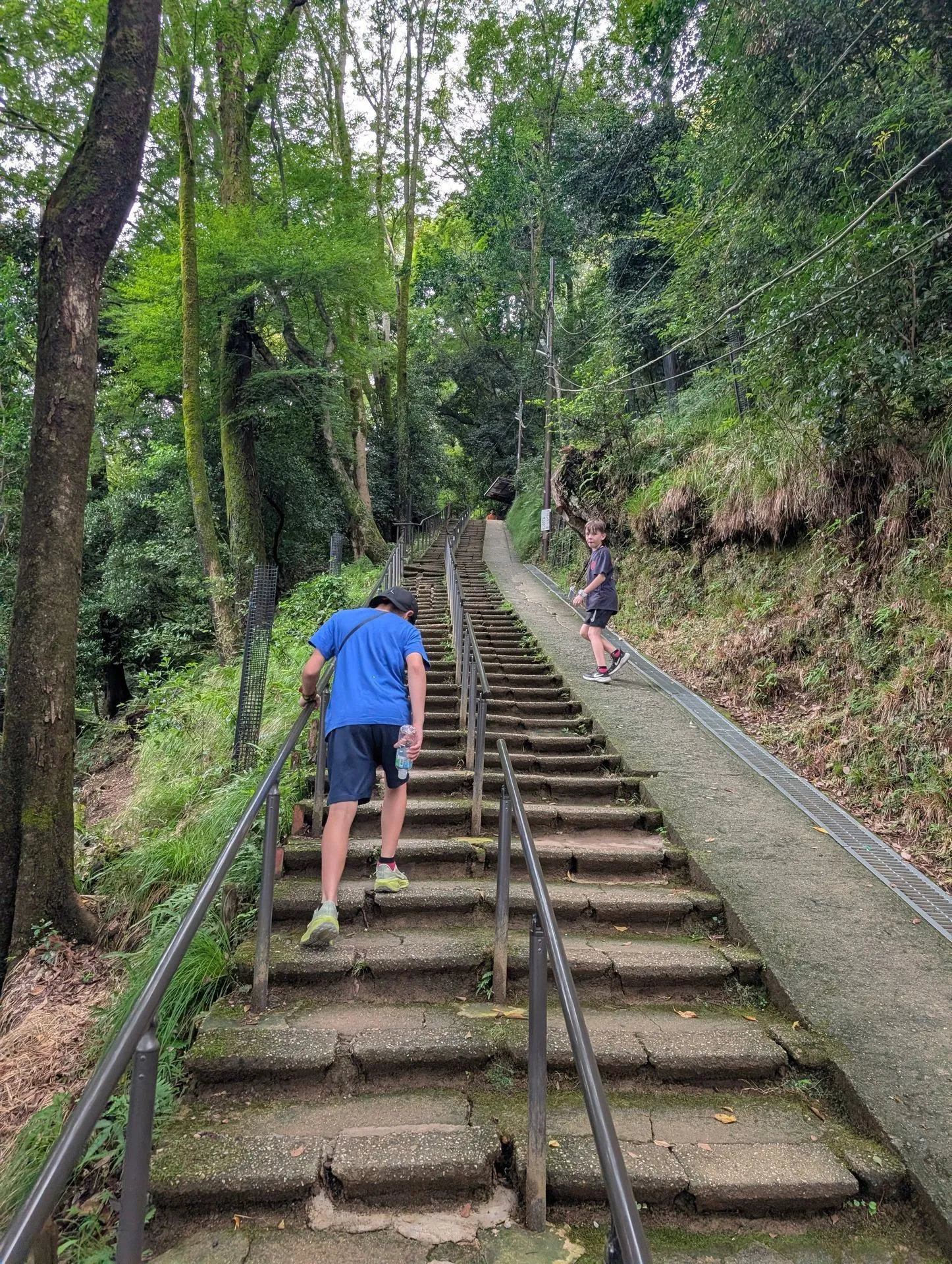
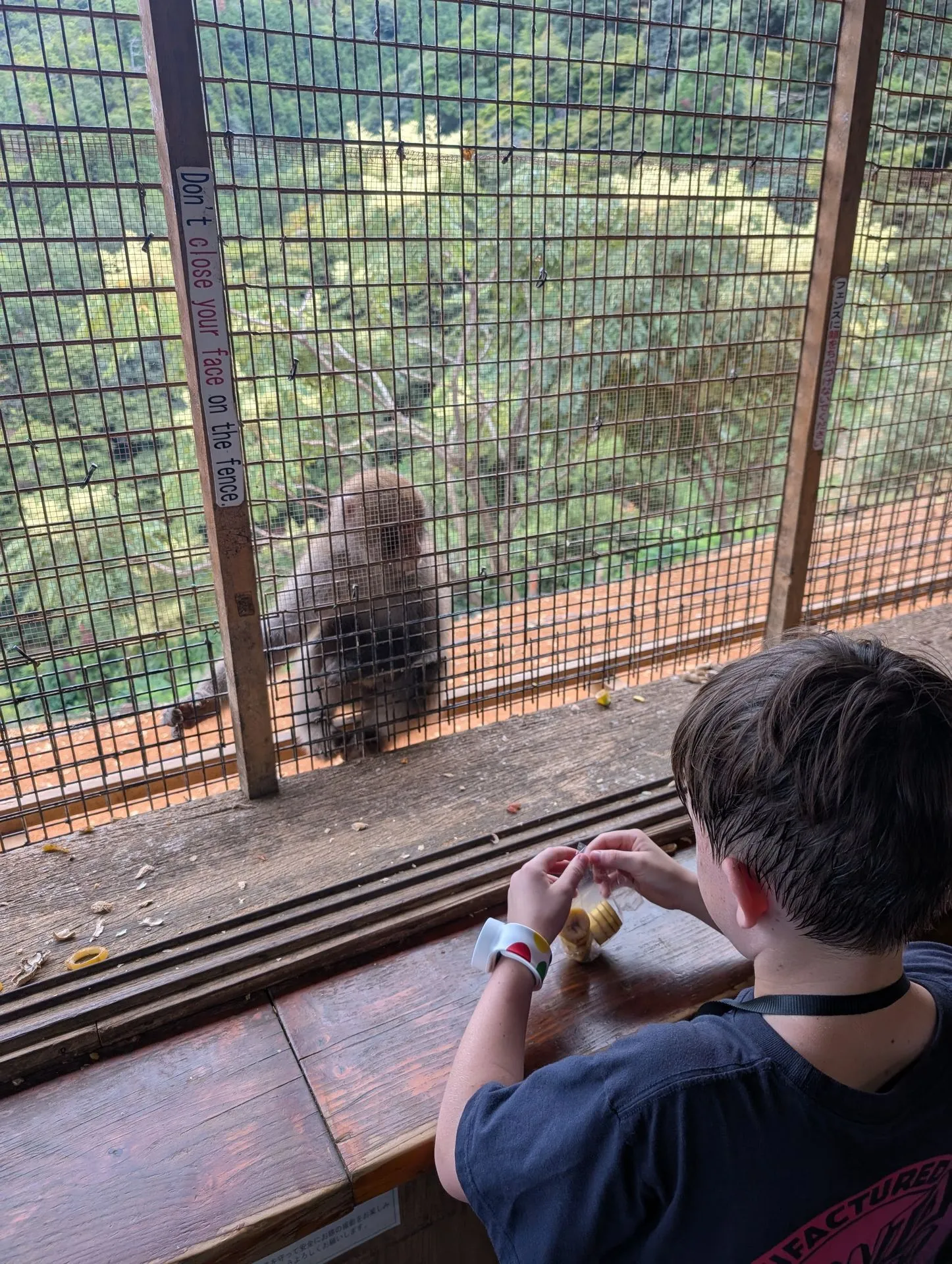
After the bamboo grove, the Monkey Park is the best family activity in Arashiyama. It requires a 20-minute uphill climb through the forest, which kids invariably treat as a race, and at the top you find around 120 wild Japanese macaques living freely on the hillside. You can buy snacks to feed them through a wire mesh window, and the view over Kyoto from the summit is excellent. There is also a playground at the top, which is not the reason you came but will buy you another twenty minutes of goodwill.
The one thing to plan around is closing time. It closes mid-afternoon, around 4:30pm depending on the season, and the climb takes twenty minutes before you have seen anything. Arashiyama in the late afternoon is the easiest way to arrive at a locked gate, so do the monkeys before the bamboo if you are running late rather than the other way round. Check the current closing time on the day.
The Torokko Sagano tourist train runs a scenic 7-kilometre route through the Hozukyo Gorge, dramatic river canyon, forested cliffs and old wooden bridges. It’s a 25-minute ride each way and genuinely scenic rather than just touristy. Book seats in advance; it fills up, especially on weekends.
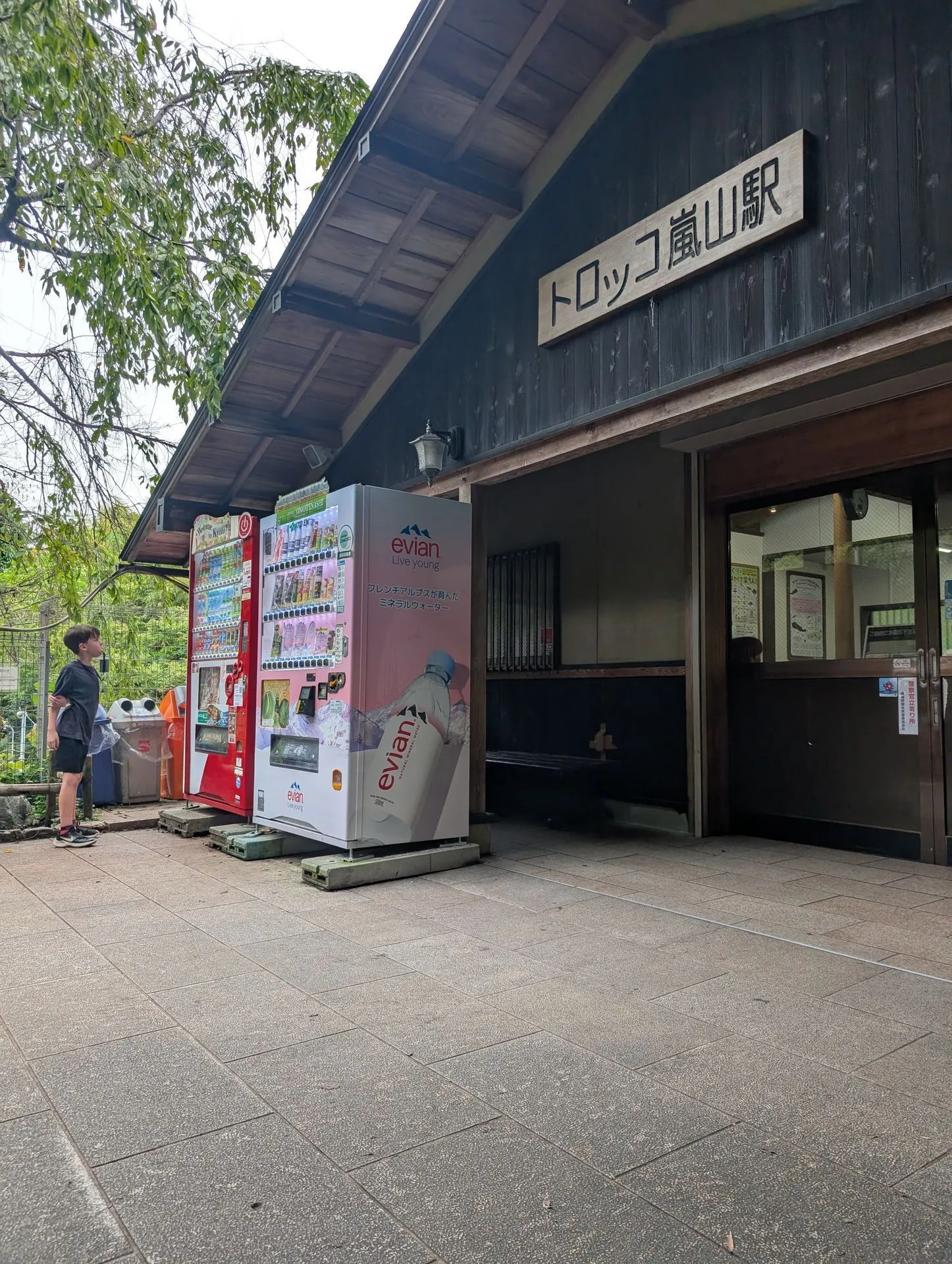
The Torokko runs on a fixed timetable and the good departures sell out, so it is one of the few things in Kyoto worth holding a seat for rather than turning up.
Gion
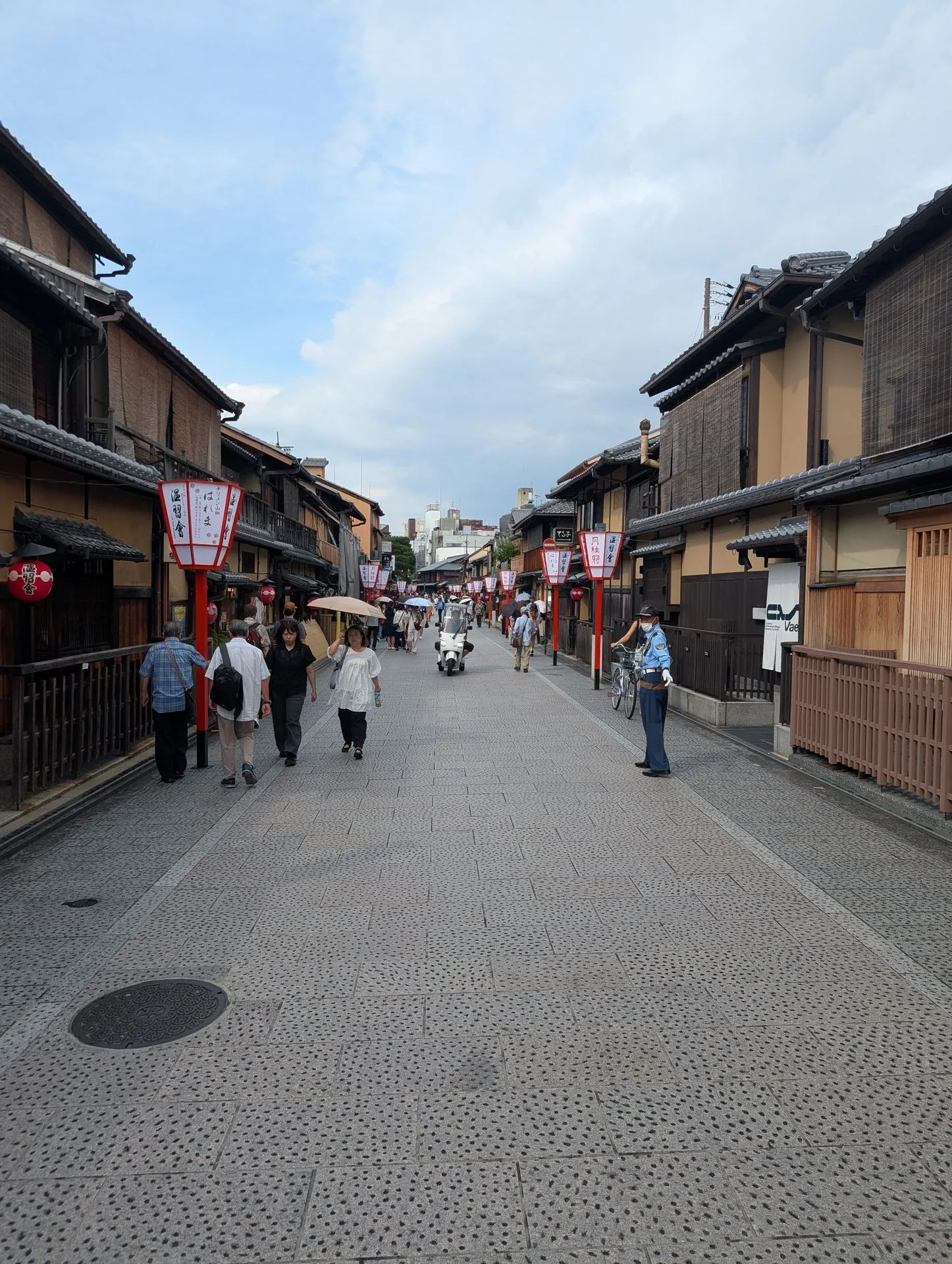
Gion is Kyoto’s most famous geisha district and the street that defines the classic image of the city, narrow lanes lined with wooden machiya townhouses, red lanterns glowing in the evening, the occasional glimpse of a maiko (apprentice geisha) heading to an appointment. The best time to walk Hanamikoji Street, Gion’s main drag, is early evening when the lanterns are lit and the restaurants are opening up for the night.
Nishiki Market and the Samurai Museum
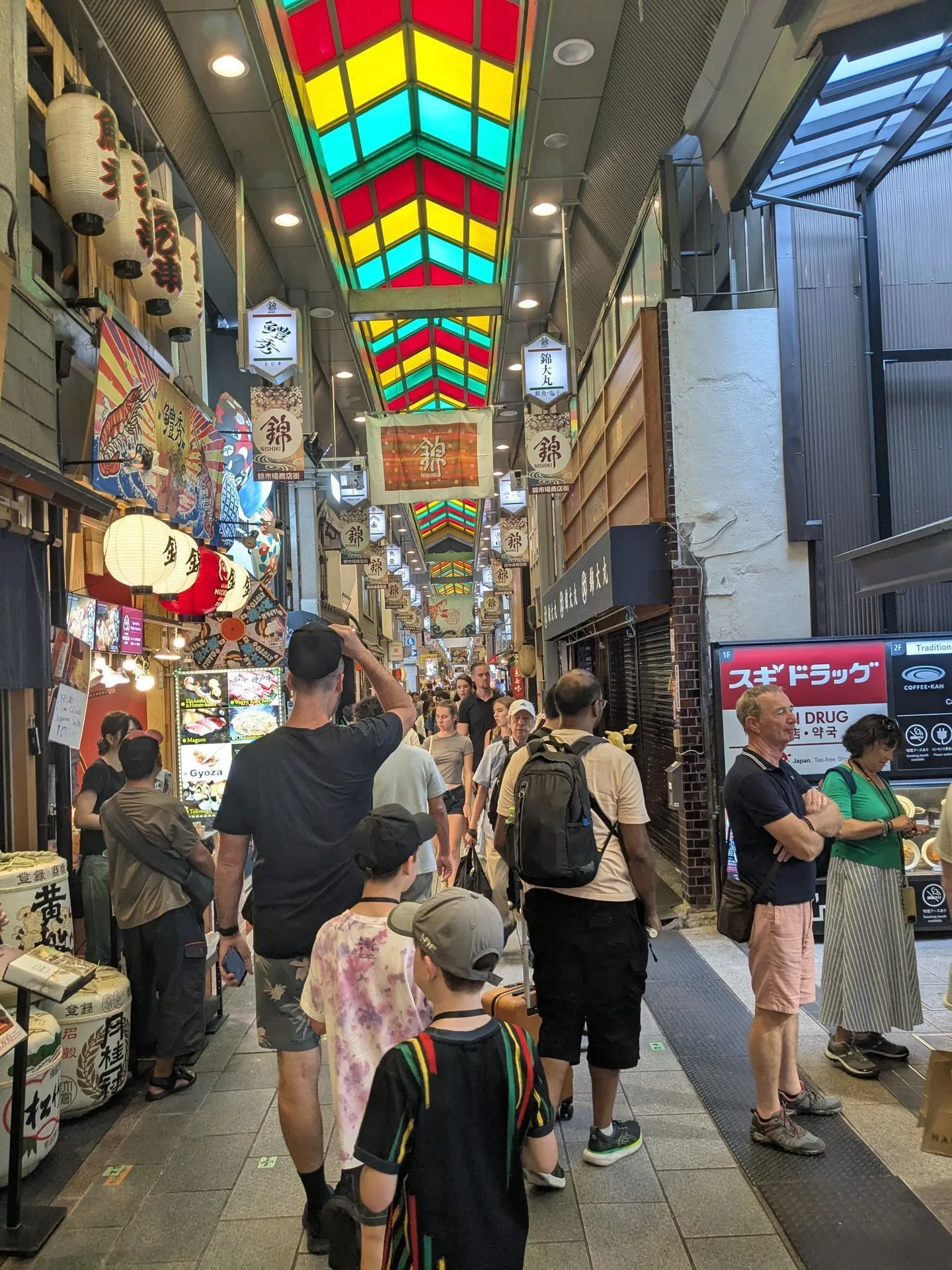
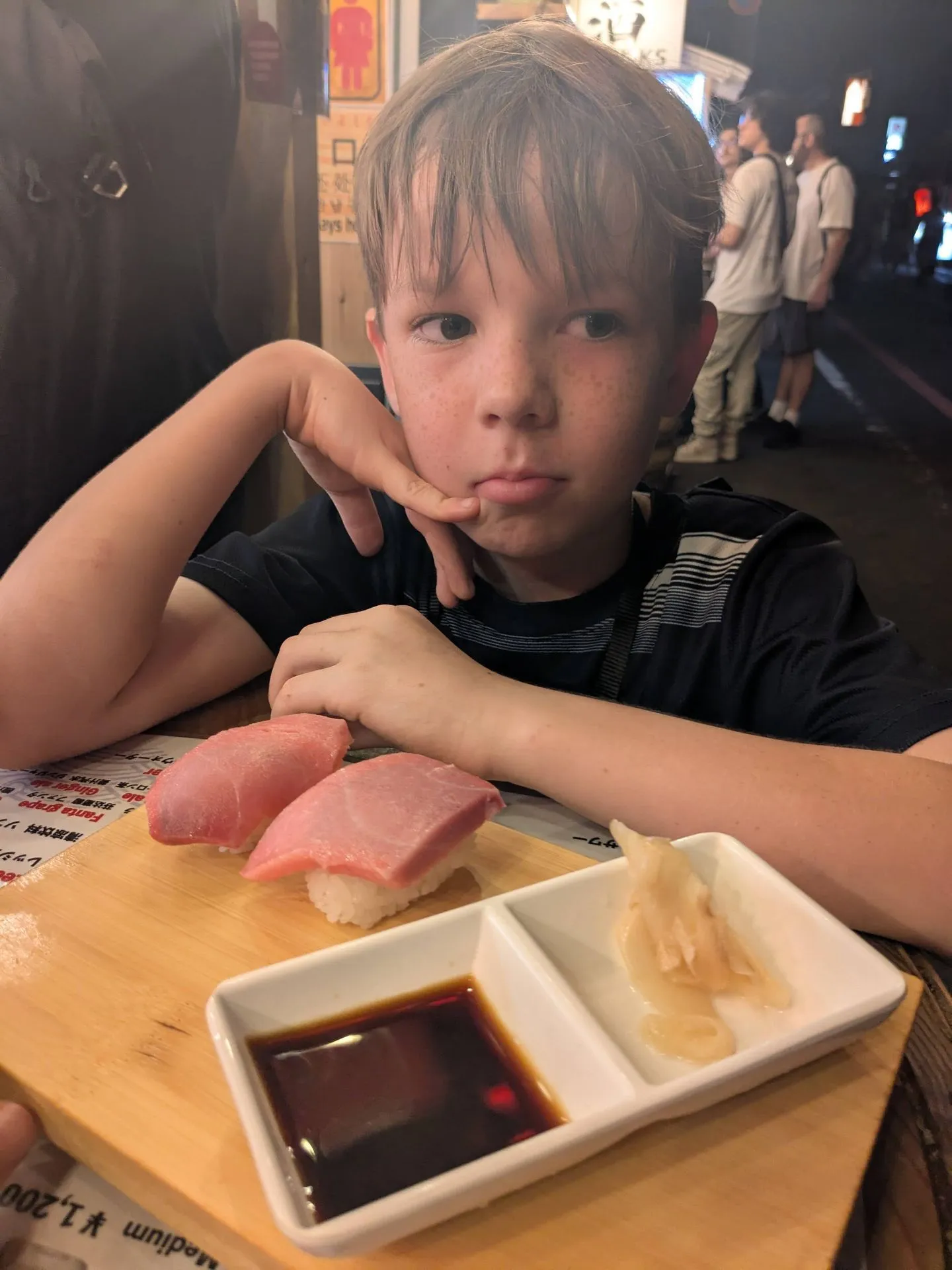
Nishiki Market is a narrow five-block covered arcade in central Kyoto, lined with over 100 stalls selling Kyoto specialities, pickled vegetables, fresh tofu, grilled skewers, sweet mochi, matcha everything. It’s cramped, busy and wonderful. Graze your way through rather than stopping for a full meal, the best eating here is done while walking.
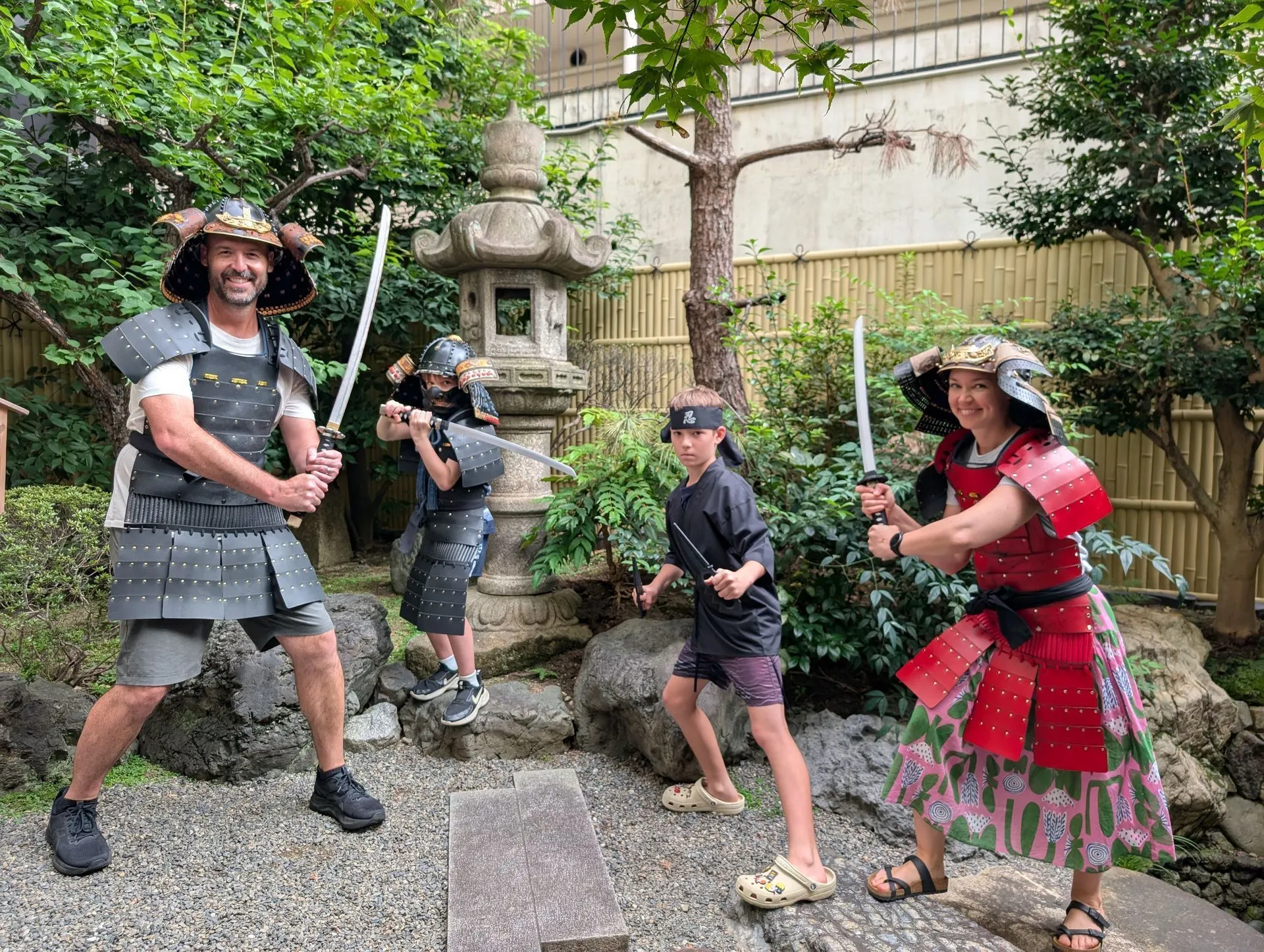
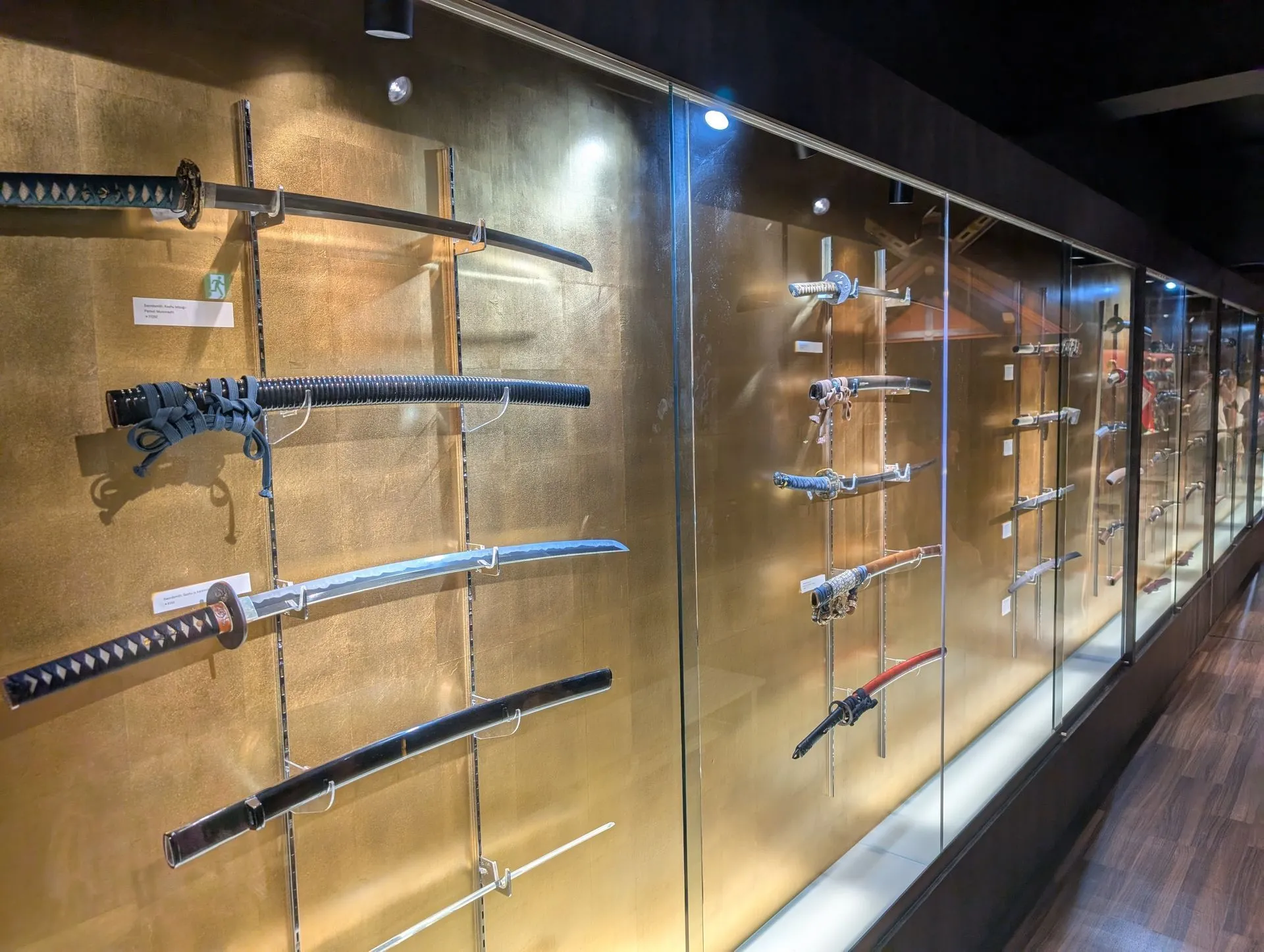
The Samurai and Ninja Museum sits right on Nishiki Market street and is worth building into your Nishiki visit. What makes it genuinely different from a standard museum is the dress-up component, the whole family gets dressed as samurai and ninjas and photographed, then the kids get a ninja star throwing lesson and a throwing competition, with (rubber) ninja stars, under the eye of a guide. It’s theatrical and our boys loved it.
The afternoon one of ours lost his travel card
Kyoto is where we found out what happens when a child loses something in Japan, and the answer turned out to be reassuring enough that it is worth telling properly.
We had stopped at a playground near a creek after the museum. Somewhere in there, one of the boys lost his IC card. We only knew where it had gone because each of the kids had a small Bluetooth tracker tucked into their card holder and lanyard.
The tracker put the card at the local police station. Someone had picked it up and handed it in, and the police were friendly about the whole thing. Our son filled in the lost property report himself, in a police station, in a country where he did not speak the language, and he loves telling the story about the lost card and going to the police station.
Lost property in Japan genuinely does get handed in. If something goes missing, ask at the nearest station office or police box rather than assuming it is gone.
Tickets for the samurai and ninja museum, which is where the dress-up photos above came from.
What to eat in Kyoto
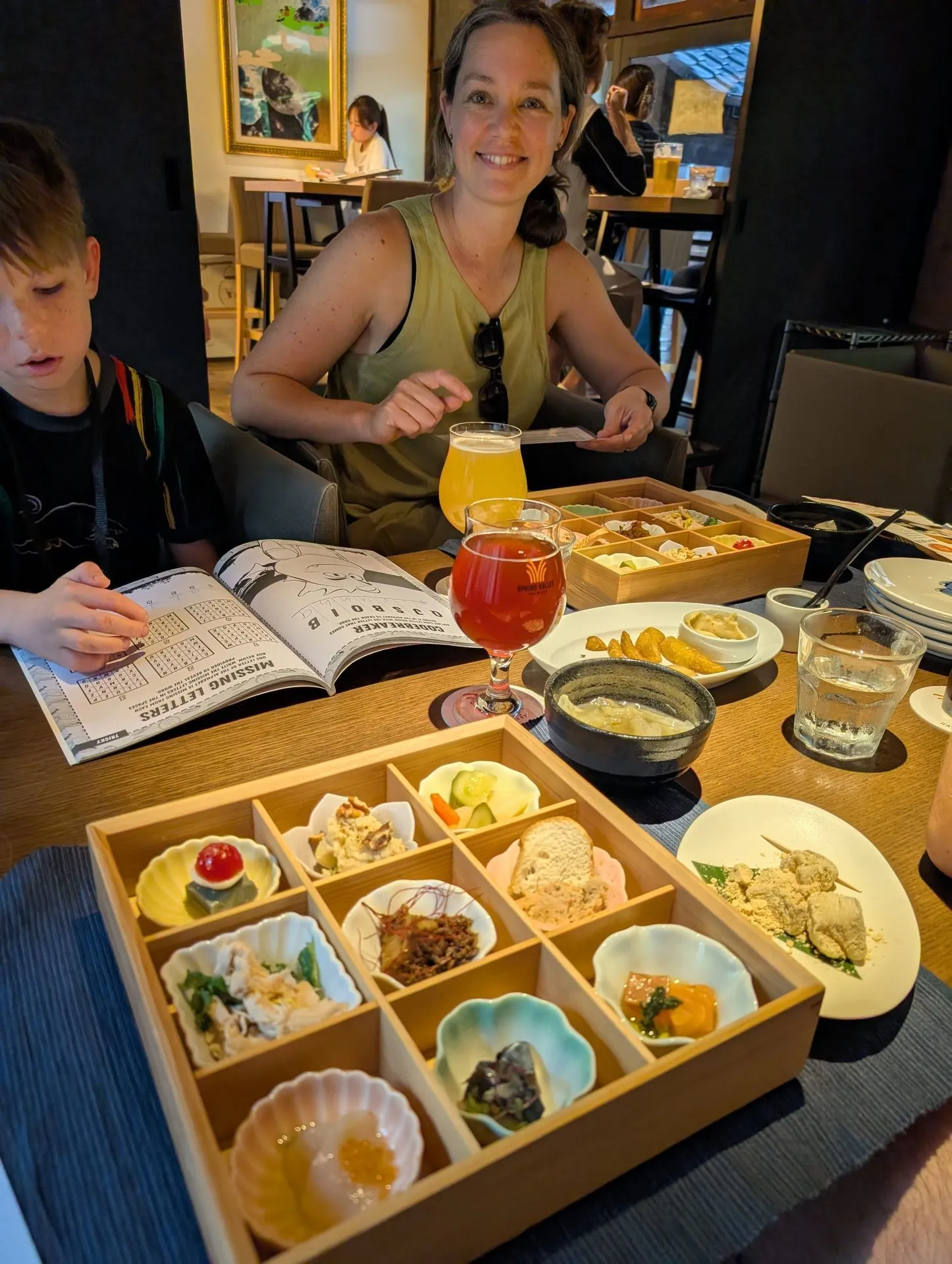
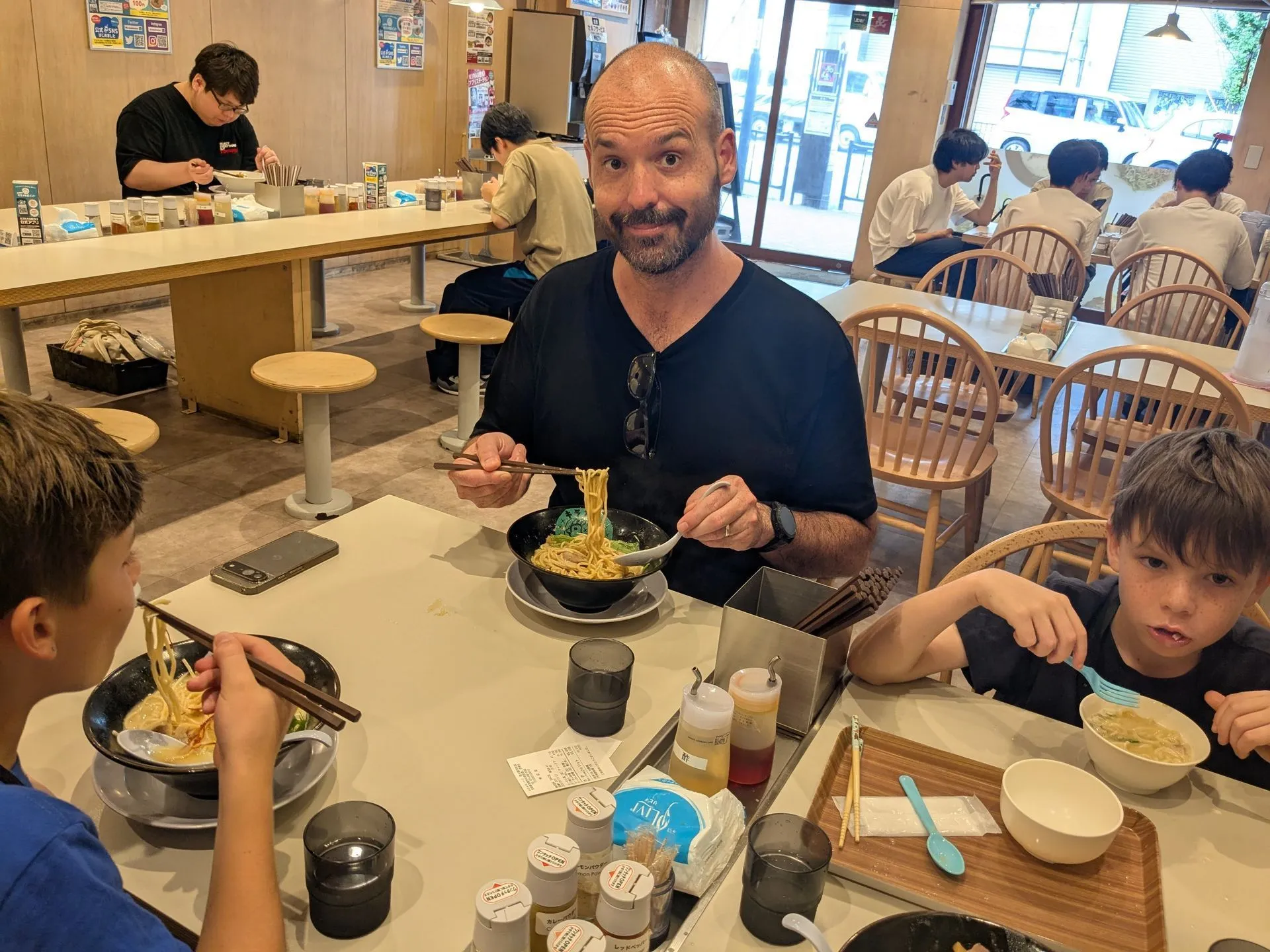
Kyoto cuisine, kyo-ryori, is built around seasonal vegetables, delicate broths and presentation that borders on art. It’s not the bold, punchy street food of Osaka, but the quality is extraordinary. For families, the best approach is a mix of proper sit-down meals for dinner, with market grazing and street snacks during the day. If you are worried about what the kids will actually eat, that is the whole subject of our food guide.
🍵 Matcha everything
Kyoto is the heartland of Japanese green tea culture. Matcha soft serve, matcha lattes, matcha mochi, matcha KitKats from the convenience store. Kids who aren’t matcha fans going in usually come around by day two.
🍜 Nishin soba
Kyoto’s signature noodle dish, soba topped with sweet simmered herring. Available at traditional soba restaurants near the major temples. Mild and kid-friendly despite the ingredients list.
🥢 Tofu kaiseki
Kyoto produces some of Japan’s finest tofu and kaiseki (multi-course) restaurants specialise in it. Expensive but extraordinary if your kids will eat tofu. The area around Nanzenji temple has the best concentration of tofu restaurants.
Where to stay in Kyoto
Central Kyoto, within walking distance of Gion or the station, is the most convenient base for families. The Kawaramachi and Shijo areas put you close to Nishiki Market and the easiest bus routes. Staying near the station adds the convenience of easy rail access to Fushimi Inari and Arashiyama without fighting city buses. More on choosing between hotels, apartments and a ryokan night in where to stay with a family.
Traditional machiya townhouse guesthouses are available throughout Kyoto and offer a genuinely different experience from standard hotels, tatami rooms, futon beds, a small garden. Many are family-friendly with multiple rooms. They book quickly and need advance reservations.
Where to stay in Kyoto? Machiya townhouse guesthouses in Gion and family hotels near the station both book out months ahead for blossom and autumn seasons.
Practical tips for Kyoto with kids
What we wish someone had told us on day one. The trains and the money both have fuller guides, getting around Japan and money in Japan.
⏰ Start everything early
Kyoto’s major sights, bamboo grove, Fushimi Inari, Kinkakuji, are dramatically better before 9am. The difference between a 7:30am visit and a 10am visit at the bamboo grove is the difference between a serene experience and a crowded one.
🚌 Master the bus system
IC card covers everything. Google Maps works reliably for bus routes. Avoid the 100-series tourist buses during peak times, they fill up completely and you’ll wait for several to pass before boarding.
🌸 Cherry blossom and autumn season
Kyoto during cherry blossom (late March to early April) and autumn foliage (mid-October to late November) is breathtaking. It’s also at maximum capacity, every hotel and ryokan is booked months in advance, and every path is packed. Book 4 to 6 months ahead if visiting during these periods.
👟 Walking distance realities
Kyoto looks compact on maps but the major sights are spread across a large area. Arashiyama, Fushimi Inari and Kinkakuji are all 30+ minutes from central Kyoto. Plan one neighbourhood per day and you’ll cover the city without exhausting the kids.
🎒 Luggage forwarding
Takkyubin (luggage forwarding) between hotels is widely available in Kyoto. Send bags ahead the day before and your next hotel will have them waiting. Makes moving through the city without heavy bags completely manageable.
🍦 Convenience stores are your friend
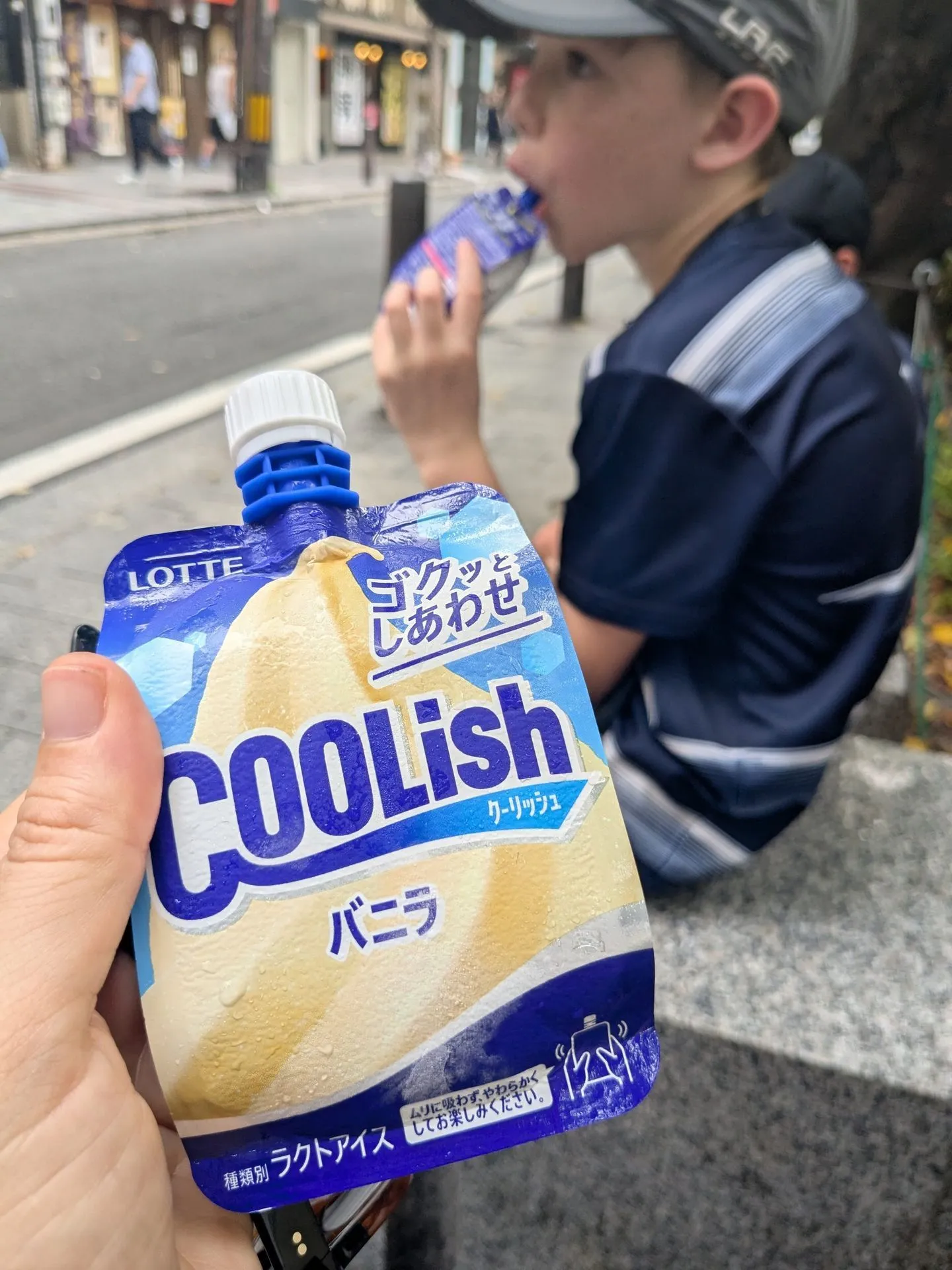
7-Eleven, FamilyMart and Lawson in Kyoto stock matcha products, onigiri, hot food and the excellent Coolish ice cream. For families, they’re the best mid-afternoon snack stop, cheap, quick and reliably good.
Want Kyoto guided? Day tours covering Fushimi Inari, Arashiyama and Gion with English-speaking guides, useful for a first visit when getting your bearings matters.